
After the attic is done
If the attic's sealed and topped up and the hot upstairs room still won't cool down, the walls are usually next, and filling them pays off more once the bigger leak overhead is closed.
Rooms that won't hold heat in winter or cool air in summer often have empty walls. We fill them through small holes and patch after.
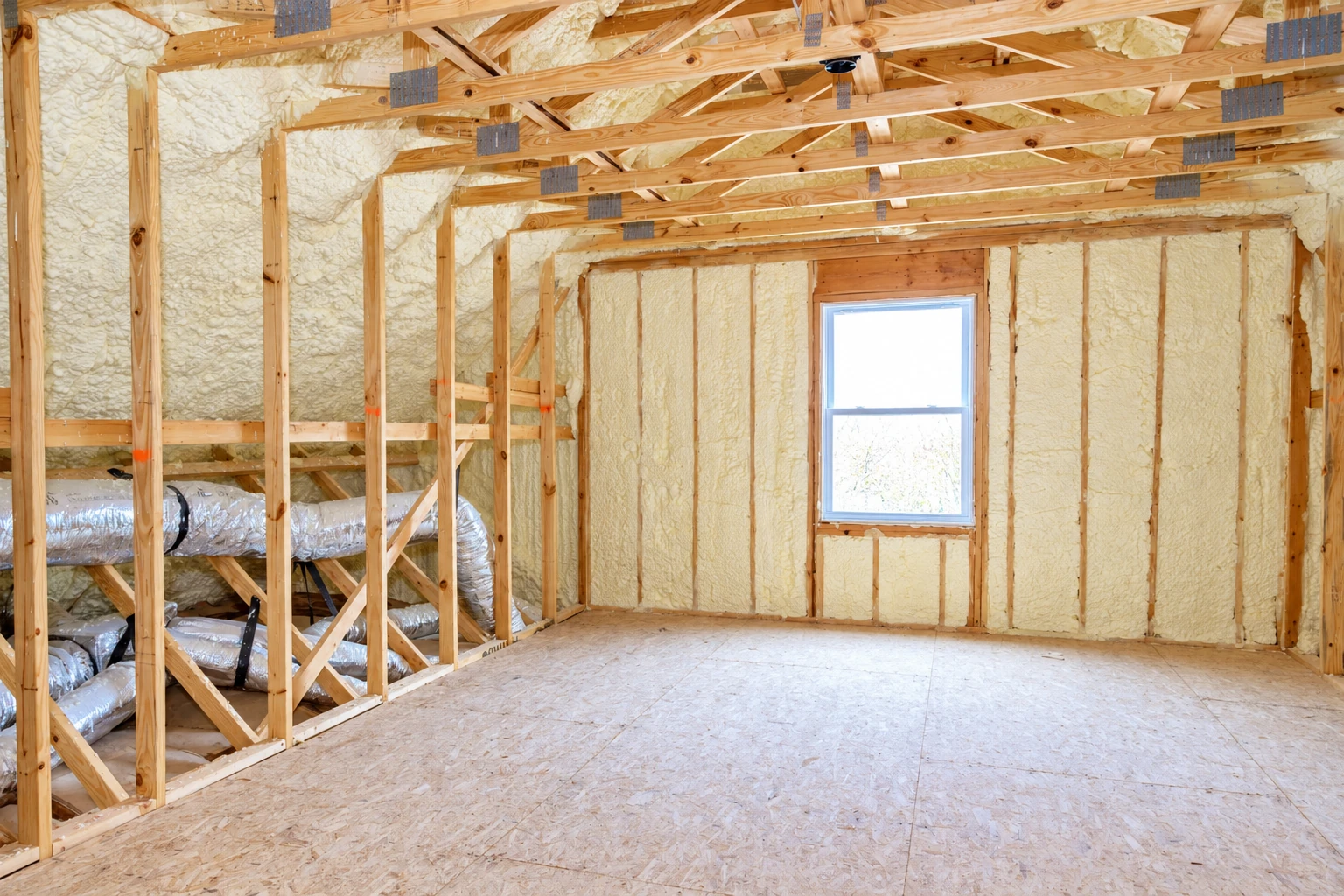
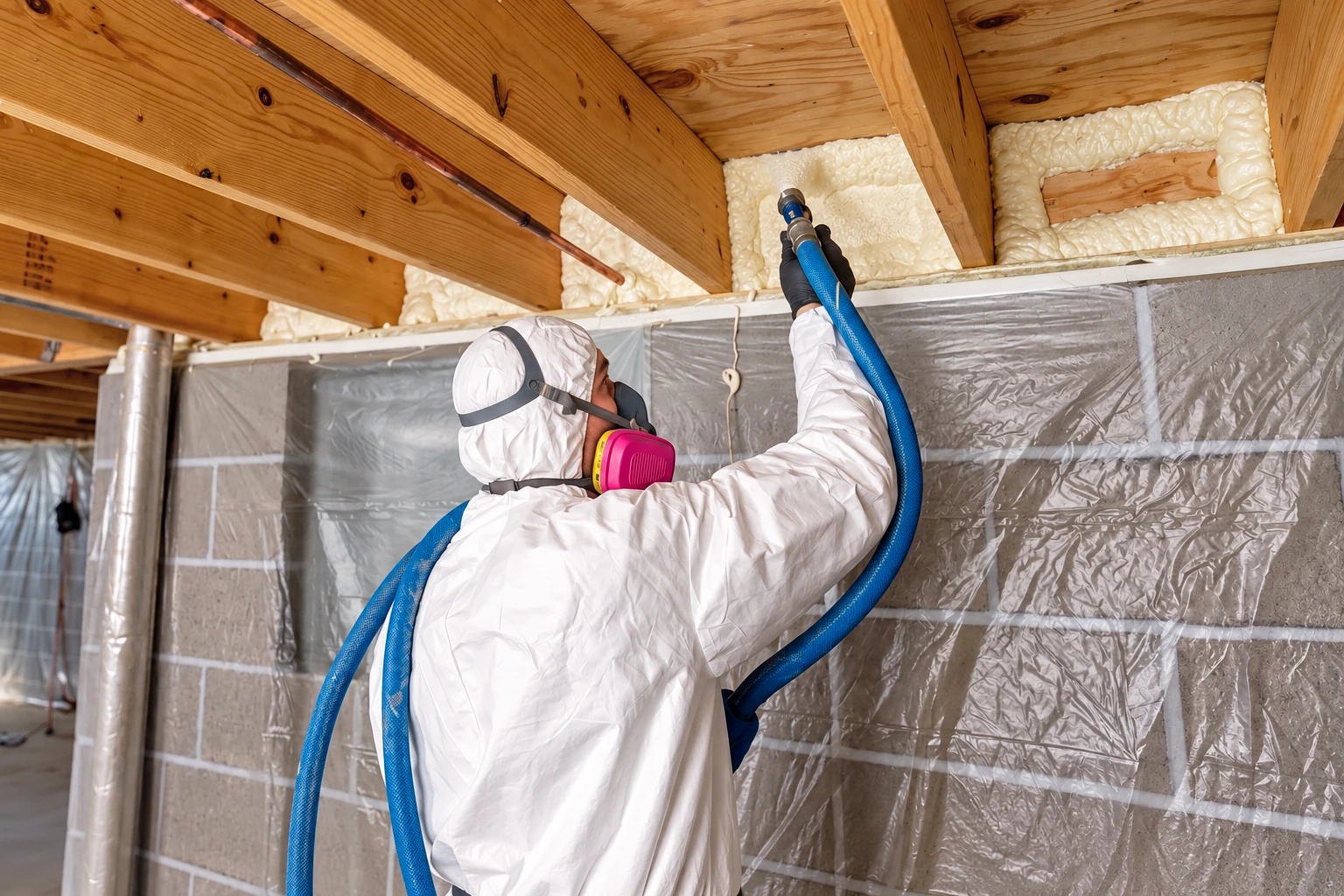
For a finished house in Modesto, wall insulation means we drill small holes into each stud bay, fill the hollow with insulation blown in through a hose and patch the holes, so the room holds its temperature without any wall coming down.
Most calls about walls come from a room that won't stay comfortable after the attic's already been done, or an older house with nothing in the walls at all. The price moves with how many walls we fill, whether we drill from inside or outside and the patching or siding repair that comes with it, which material goes in, and anything an older house's wiring needs first.
The schedule turns on those same things, plus a permit and inspection when your job needs one. The estimate is where you get a real number for your house, because nobody can price a wall they haven't looked at.
I come out, look at your walls and write the estimate myself. Our installers do the work, and I go over it with you at the end, so the person who quoted it checks it.
We seal before we insulate and fix a wet spot or old wiring before we bury it, because insulation packed into a wall is hard to get back out.
We've done this since 2013, long enough to know when walls aren't worth filling, and I'll tell you so, because I'd rather lose a sale than sell you insulation you don't need.
We drill a small hole near the top of each stud bay and blow insulation in until the cavity is packed tight, because loosely filled walls settle and leave an empty band at the top. Before anyone drills, we go over whether the holes go inside or outside and what patching or siding repair comes with each. In an older house we check the wiring before we open anything, and the reasons for both are in the questions below.
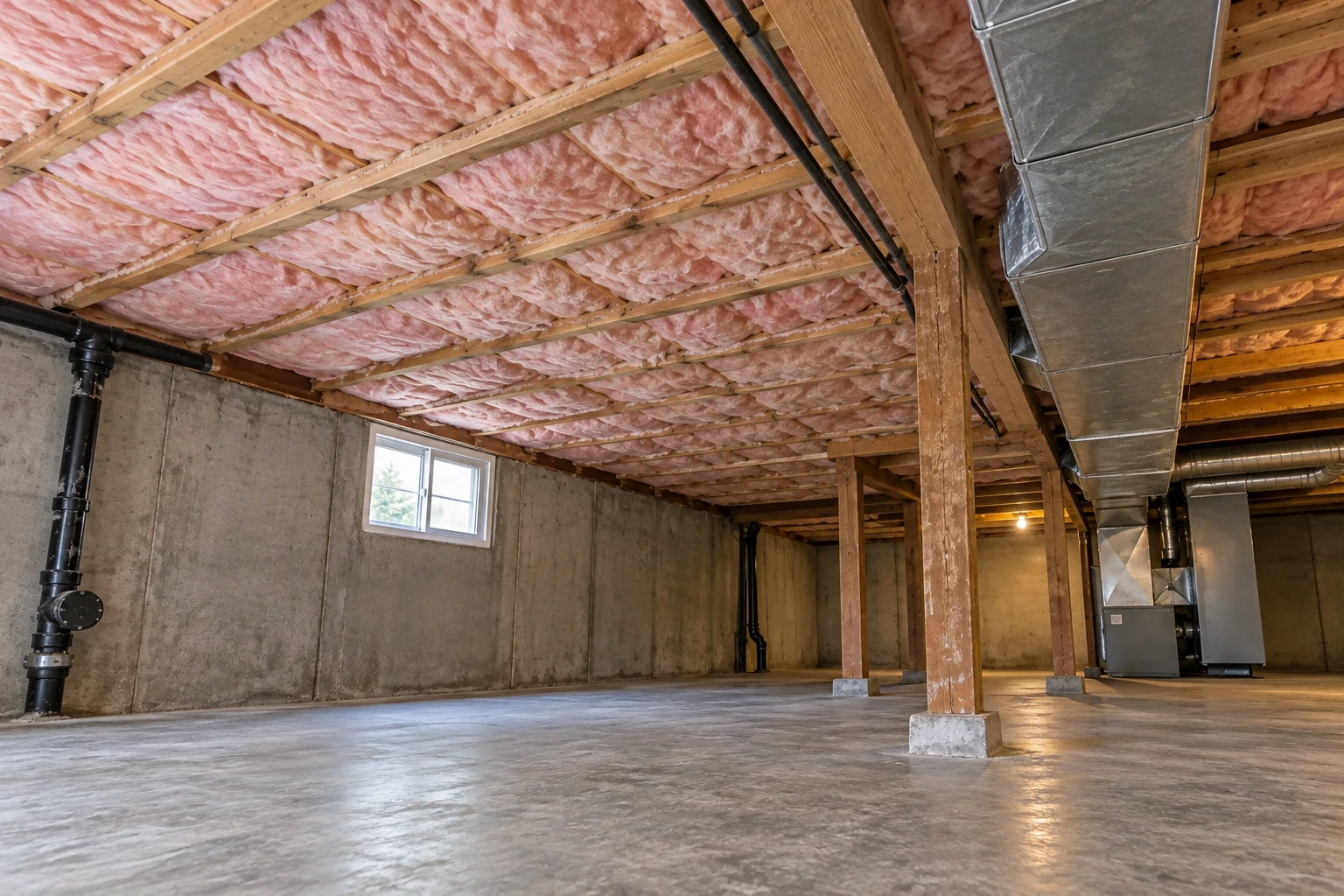
Packed walls slow the air moving through the stud bays, but they do nothing for leaks at the rim joist, the framing where the floor meets the wall, between floors or at the roof line. That's air sealing, and we'd usually do it alongside, because insulation can't win against a draft coming in somewhere else. If you've got a basement, its concrete walls are a different job from hollow stud walls, and that's basement insulation.
When your job needs a permit, we pull it with whichever office has your address, city or county, and set up the inspection before the work gets covered, since Modesto wants permitted work inspected before it's closed up. California licenses insulation contractors under their own class, and the state requires a license even on small jobs under $1,000 if the work needs a permit or the person brings helpers, so check before you take a cheap offer. We're licensed and insured, and we work from Modesto out into the cities around it in Stanislaus County and over into San Joaquin and Merced counties. Satisfaction guaranteed.
If the attic's sealed and topped up and the hot upstairs room still won't cool down, the walls are usually next, and filling them pays off more once the bigger leak overhead is closed.
When the siding is coming off anyway, drilling from the outside makes sense, because the repair behind the siding and the new siding turn into one job instead of two.
Drilling from inside means patching and painting every wall we fill, which goes easiest in an empty unit, so the gap between one lease and the next is a good time.
That room often has outside walls on three sides and a cold floor, so we look at the walls and the floor together, because filling one won't fix the other.
Send the form and we get back to you within one business day. Then I come out, look at your walls on site and write the estimate, free, with no pressure and no obligation.
Tell us roughly when it was built, because older houses get a wiring check before any drilling and can need extra care once the walls are opened.
Stucco, wood or vinyl changes what an outside drilling job leaves behind to repair, so knowing it ahead lets me think about inside versus outside before I show up.
If you've seen old porcelain knobs in the attic or been told the house still has original wiring, say so, because that gets sorted out before insulation goes near it.
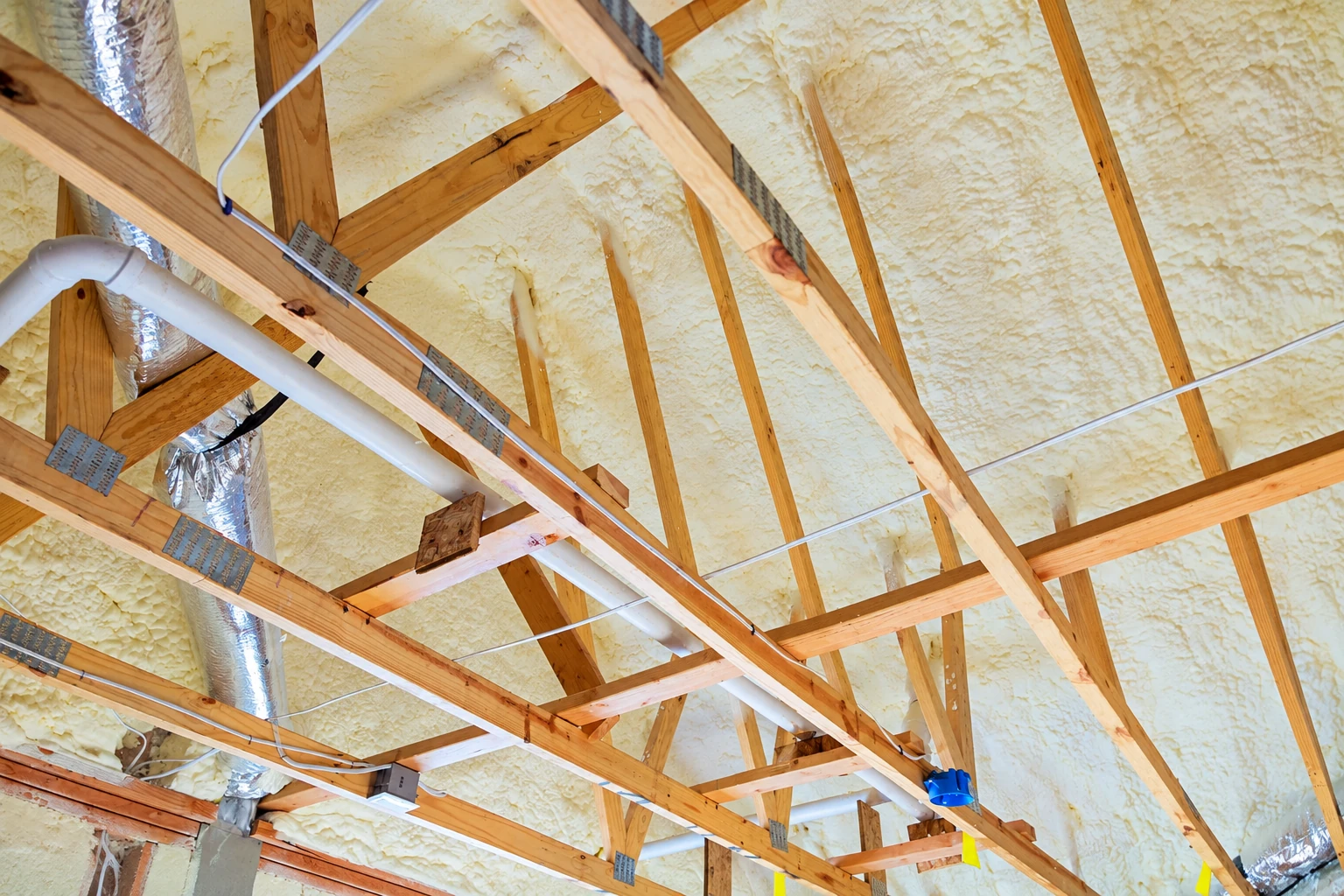
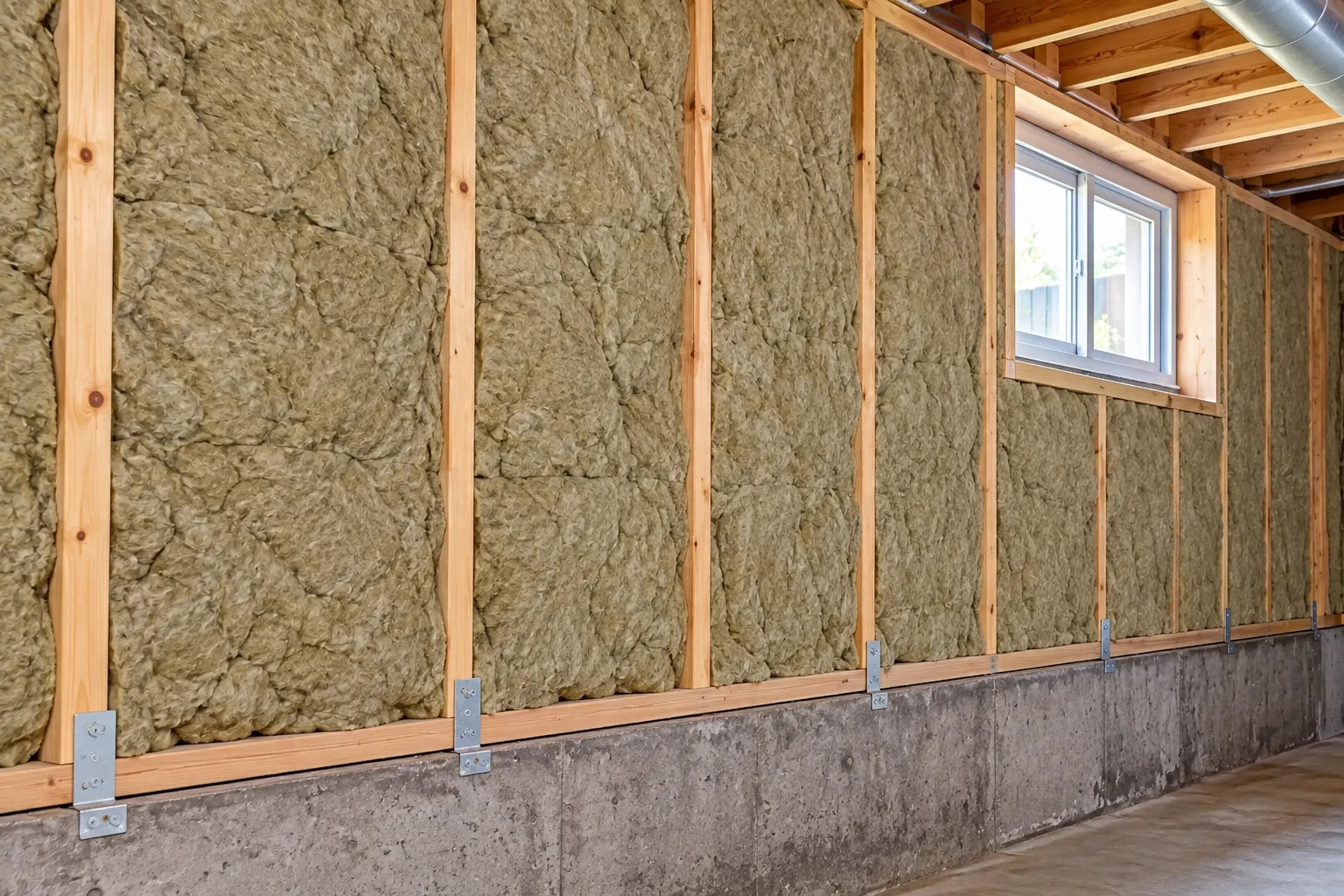
These photos show the kinds of materials, hole patterns and patched finishes worth talking through when you're choosing between drilling inside or outside.
Common questions from Modesto homeowners about drilling, materials, older houses and permits before a finished wall gets filled.
Inside usually makes more sense unless the siding is coming off anyway. Drilling from outside goes through the water barrier behind your siding, which then needs patching or full replacement, while inside drilling leaves it alone. Interior holes get plugged with drywall or rigid foam, covered with joint compound, sanded smooth and painted once dry.
Both work when they're dense-packed, blown in tight, which is the usual way to fill closed walls in an existing home. The difference is water. Cellulose breaks down if it gets soaked, while fiberglass is lighter and isn't permanently damaged by a soaking, so a wall that has ever leaked points toward fiberglass. We'll ask about leaks and look for stains before we pick.
Start with the wiring. The electrical code doesn't allow insulation to surround knob and tube, the early style of wiring strung on porcelain knobs, so it has to be dealt with first. Federal guidance also flags lead safety rules when walls are disturbed in homes built before 1980. That's why our wiring check comes before any hole.
The City of Modesto's Building Safety Division issues building permits, and the city requires them so construction meets life safety rules and building codes. If you're not sure your wall job needs one, that office can tell you. If your address sits in the county rather than the city, the county handles it, and we'll sort out which.
Usually not when we drill and blow in the walls. If we're working from inside, furniture comes away from the walls being filled, and kids and pets stay out of those rooms until the crew has drilled, filled and patched. If the job turns out to need something other than blown-in fill, we'll talk about that at the estimate.
We're open seven days a week, 7 AM to 11 PM, so call (209) 222-5441 when it suits you or send the form.