Upstairs that won't cool down
When the bedrooms stay hot long after sunset, the attic is usually why. Thin spots, buried vents or open gaps around the hatch let the heat sit right on your ceiling.
Upstairs too hot, floors too cold, power bill too high? We seal the leaks first, then insulate the attic, walls and floor in order.
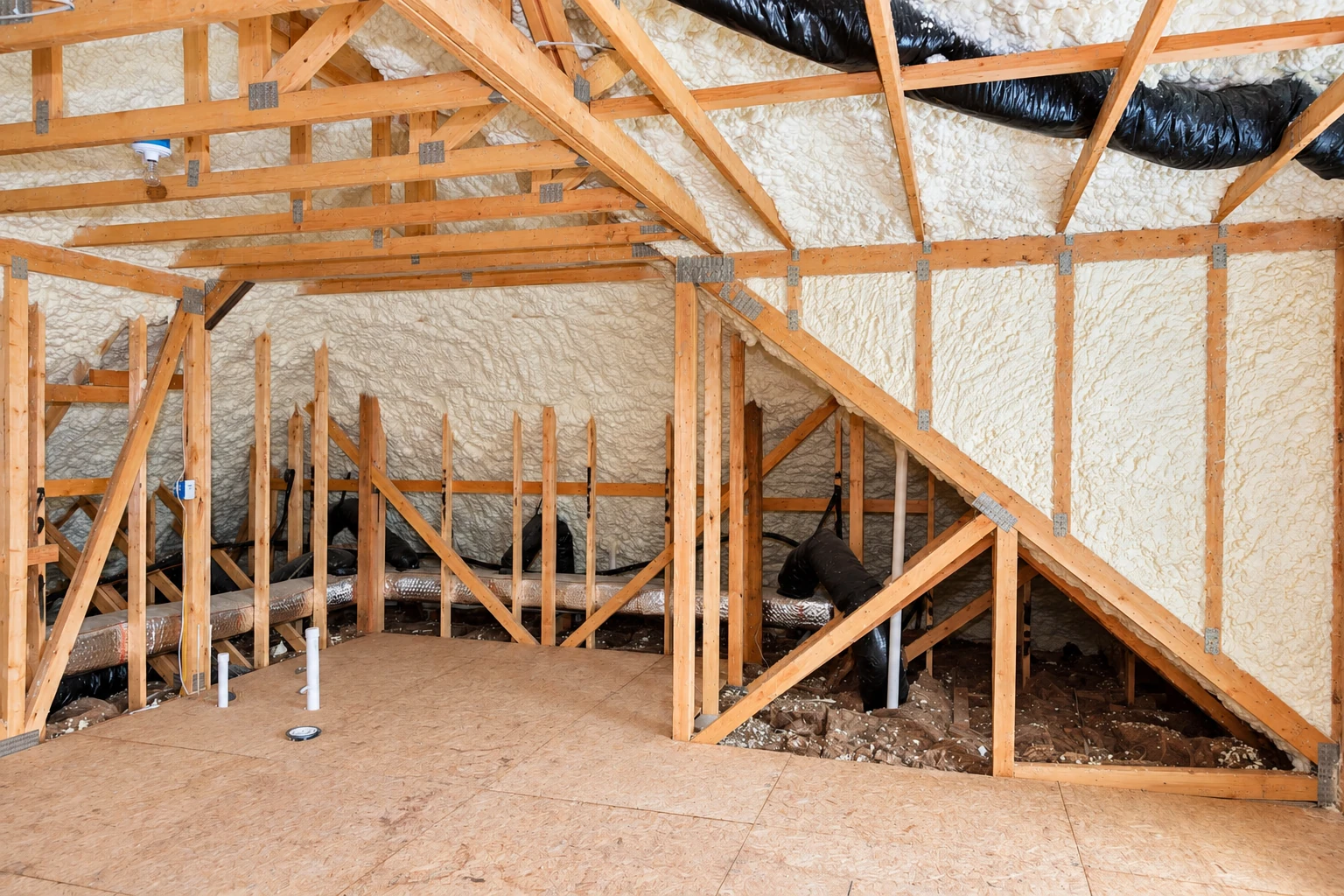
Home insulation in Modesto means sealing the air leaks and then adding or replacing insulation in your attic, walls and floor, so the house holds its temperature, stays quieter and your AC stops running all afternoon.
The price turns on how much of the house you're doing, how many inches are already up there and what shape they're in, how easy the attic and crawl space are to reach, and which material fits. The schedule turns on the same things, plus anything that has to be fixed before we cover it and any inspection a permit calls for. My estimate breaks it out part by part, so you see what each piece involves before you decide.
I left an office job for this, learned the trade on an insulation crew here in Modesto and started this business in 2013. Attics are hotter, but nobody holds meetings in them.
I come out, climb into the attic, check the walls and look under the floor, then write the estimate. You talk to the person who actually saw your house.
The write-up lists the attic, walls and floor in the order they should happen, so you can do the attic this year and the rest when it suits your budget.
Our installers do the job, then I walk it with you at the end, so you see the edges, the hatch and the vents for yourself. Satisfaction guaranteed.
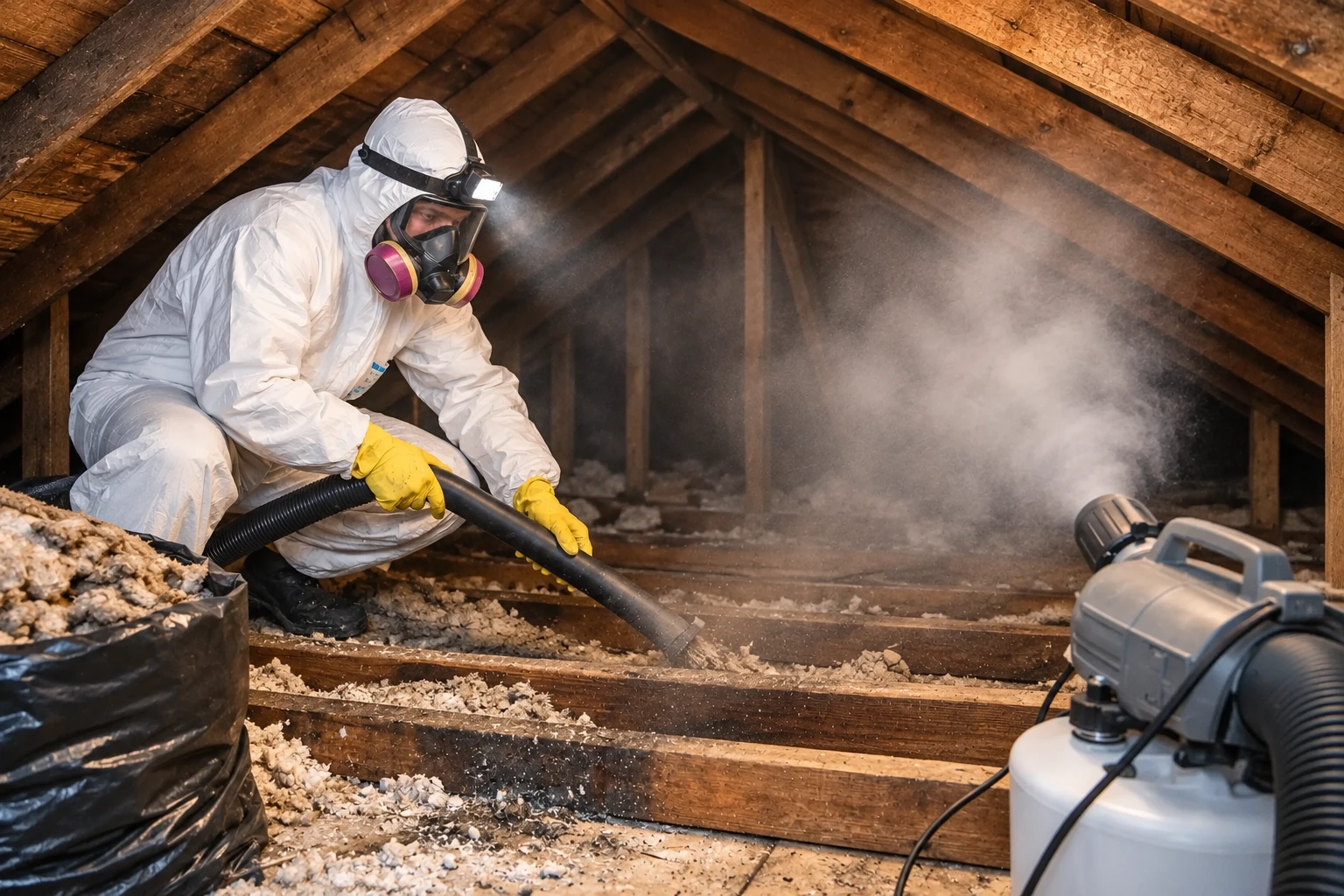
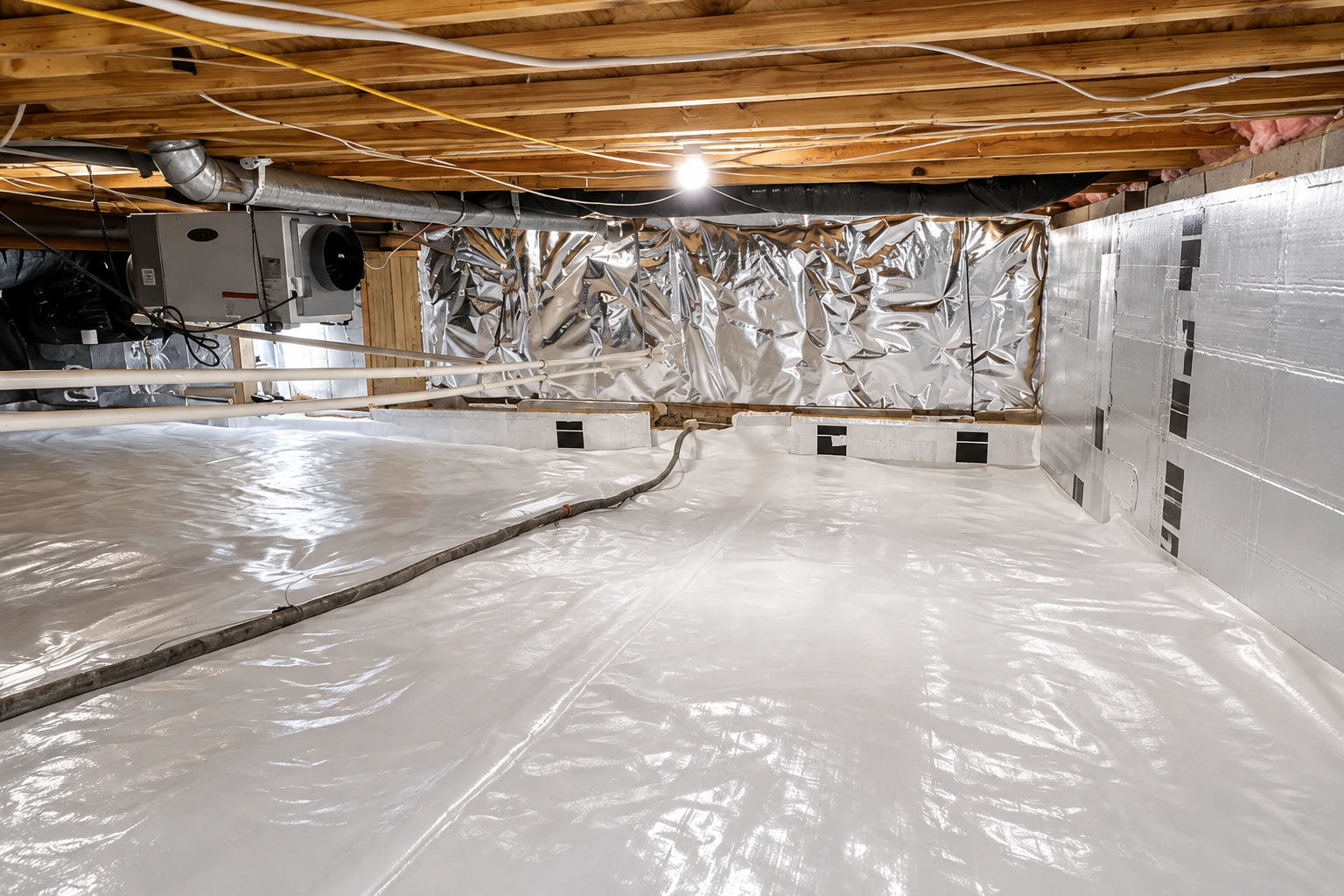
When you ask about the whole house, I go through the attic, the walls and the floor, then write it up in the order the work should happen. Old material that got soaked or filled with droppings comes out first through our insulation removal work, because new insulation over it just buries the problem. If your floors are cold, the fix is usually under the house with crawl space insulation.
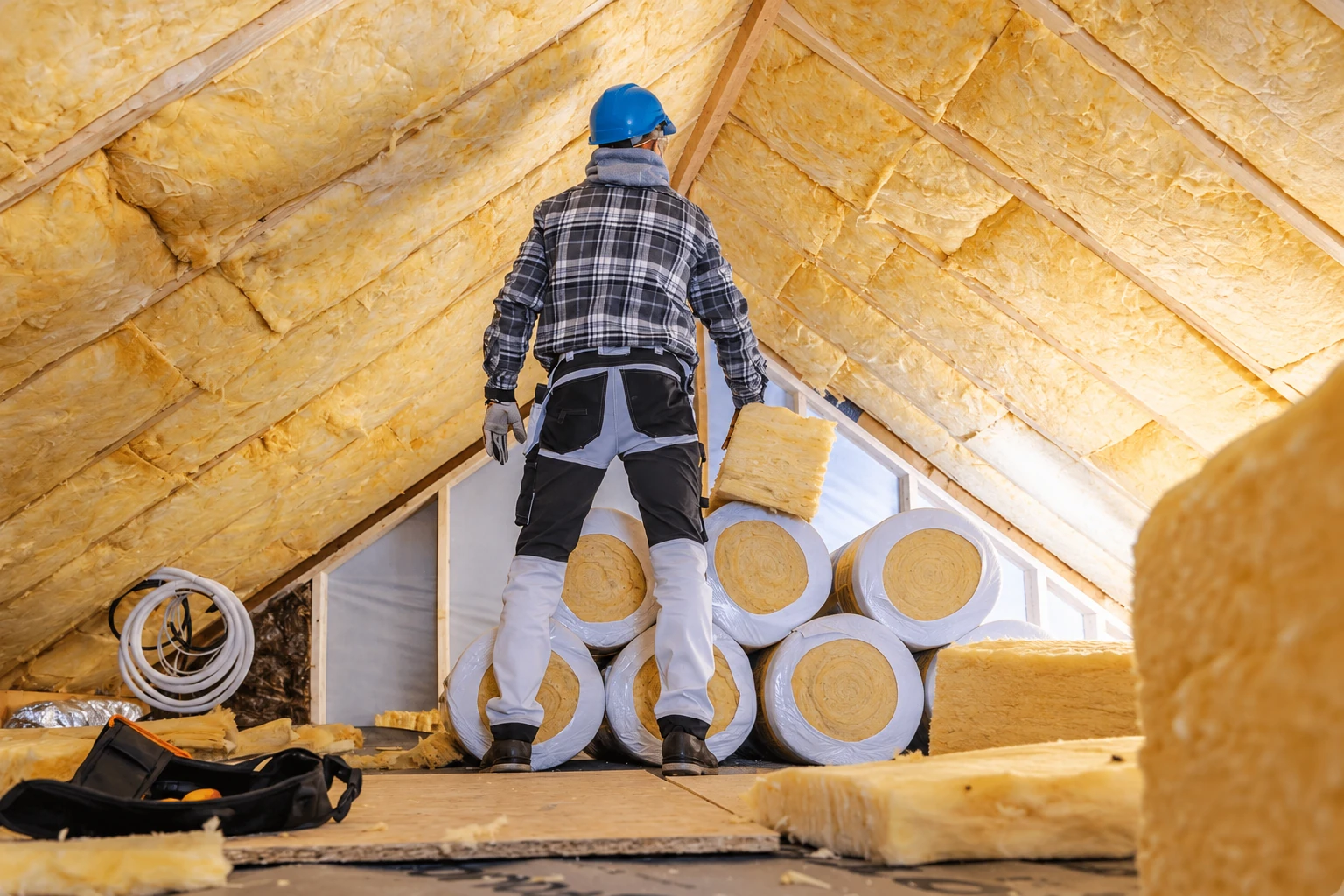
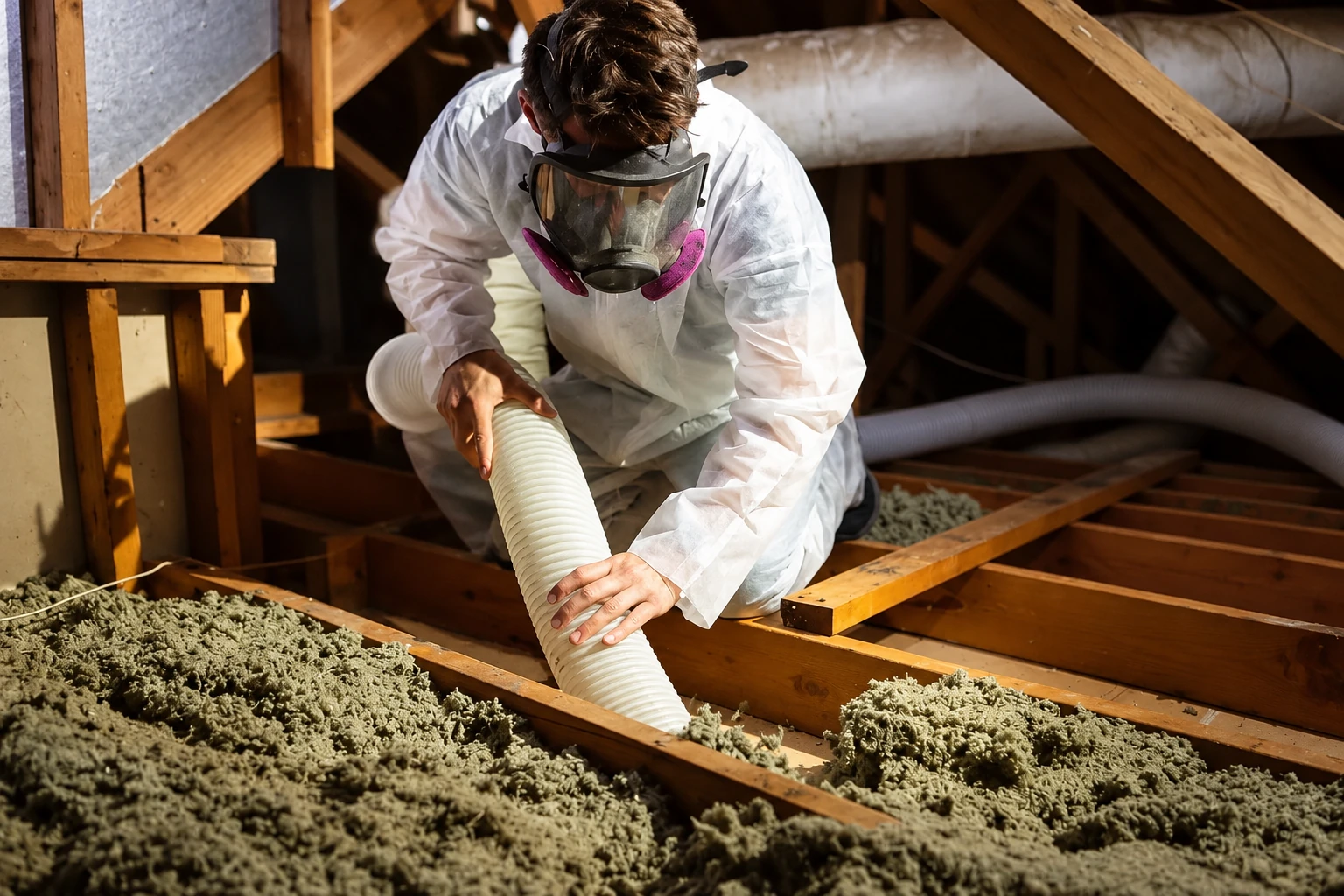
In the attic we do the air sealing first, closing the gaps around can lights, pipes and the hatch, because insulation can't stop a draft blowing straight through it. We keep the eave vents clear so the attic still breathes, and we bring the edges up as deep as the middle, since thick in the center and thin at the walls is backward. Before we tighten a house up, I check what burns gas in it, because sealing can sometimes pull a furnace or water heater's exhaust back inside, and national guidance suggests testing those for proper drafting before and after. On material, foam costs more and seals while it insulates, but for most attics I'd rather seal the gaps and top up the loose fill, unless your ductwork runs up there.
Here in Modesto the attic is usually where we start. Most California houses have vented attics, and on a hot day a typical one gets hotter than the air outside, so that's the layer working hardest all summer. The state's energy rules for vented attics apply when the ceiling over your living space is altered, and adding or replacing attic insulation may count, so we plan attic work with those rules in mind.
When the bedrooms stay hot long after sunset, the attic is usually why. Thin spots, buried vents or open gaps around the hatch let the heat sit right on your ceiling.
That room has garage air under it and roof over it, so it runs hot in summer and cold in winter. It usually needs the floor and ceiling checked, not just one.
Cold floors usually mean the crawl space is open or the old insulation fell down years ago. I look under the house before I suggest spending anything on the attic.
If you feel moving air near outlets, can lights or the attic hatch, the AC is cooling the outdoors too. Sealing those gaps is usually the first fix, and often the cheaper one.
Send the form and we'll get back to you within one business day to set a time. I come out, look over the house and write you a free estimate, with no pressure and no obligation.
Note whether the hatch is in a closet, the garage or a pull-down ladder, and roughly how much room there is up there, because a tight attic changes how we plan the work.
If you've seen wet insulation, ceiling stains or light gray flaky stuff that looks like small pebbles, say so. Those get sorted out before anything new goes in.
Tell us about a gas furnace, water heater or fireplace, so I know what to check on the visit. It's quicker to plan around them than to find them on the day.
Examples of blown-in attics, sealed hatches, foam in open walls and insulated crawl spaces, so you can point to what you have in mind.
Straight answers to what Modesto homeowners ask before they hire anyone to insulate, from sealing order to permits and licenses.
Yes. Federal energy guidance says air leaks should be found and sealed before any insulation goes in, and a sound plan puts sealing ahead of new insulation. When you compare bids, look for both steps, and ask questions about any bid that only lists how many inches it adds.
For most attics, blown-in, which is loose fill blown through a hose. An older federal fact sheet found blown loose fill in fiberglass, rock wool or cellulose usually costs less than batts and covers better. Install costs vary, so ask each contractor for a blown-in price next to a batt price.
Wet or damp insulation from a roof leak, moldy or rotted rafters or joists, vents blowing moist air into the attic, and little or no ventilation all come first. National guidance says to have a professional correct those. Knob and tube wiring, found in houses built before 1930, also gets corrected first, since it can be a fire hazard touching insulation.
Leave it alone until it's tested. Vermiculite is light, pea-size and flaky gray, it may contain asbestos, and national guidance says not to disturb it until an approved lab tests it. Your local health department can name an approved lab, so testing comes before any work in that attic.
The city's Building Safety Division issues permits once plans are approved and fees are paid. Modesto also requires an inspection request before permitted work gets covered up. When a job needs a permit, we pull it with the city or county office that has your address and set up that inspection. Permit questions go to the city at 209-577-5232.
For most jobs, yes. The state licensing board has a license class just for insulation work. The small-job exemption tops out at $1,000 and only covers work that needs no permit, done by someone with no employees on the project, which leaves out most whole-house jobs. We're licensed and insured.
Outside Modesto? Call (209) 222-5441 or send the form anyway, since we work the cities around it and over into San Joaquin and Merced counties.