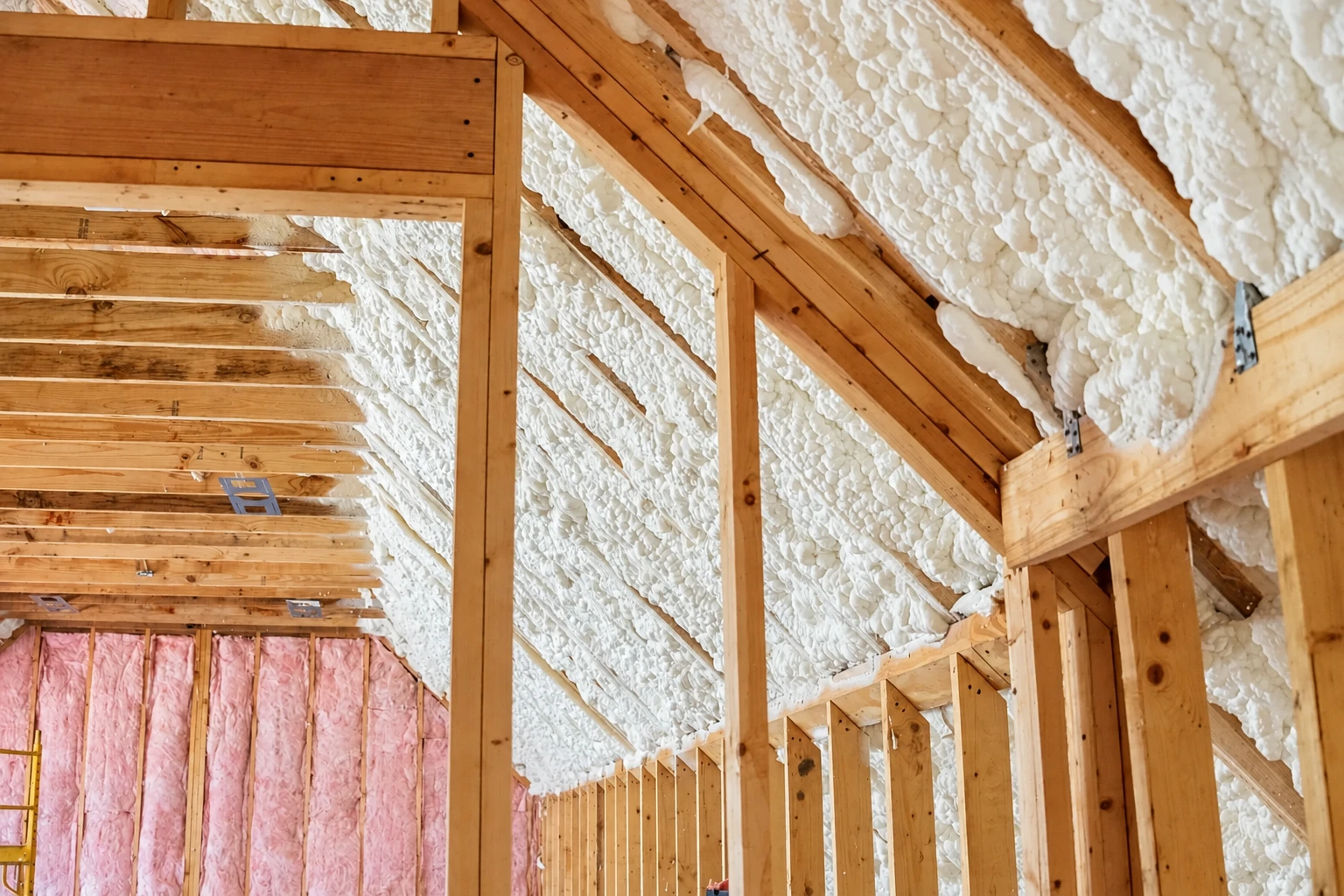
Knob and tube wiring
National guidance says sealing waits if the attic still has live knob and tube wiring, the old wires strung on porcelain knobs. An electrician sorts that out before we cover anything up there.
Drafty rooms, a hot upstairs or dust settling under the attic usually mean leaks. We seal the big gaps so your rooms hold their temperature.
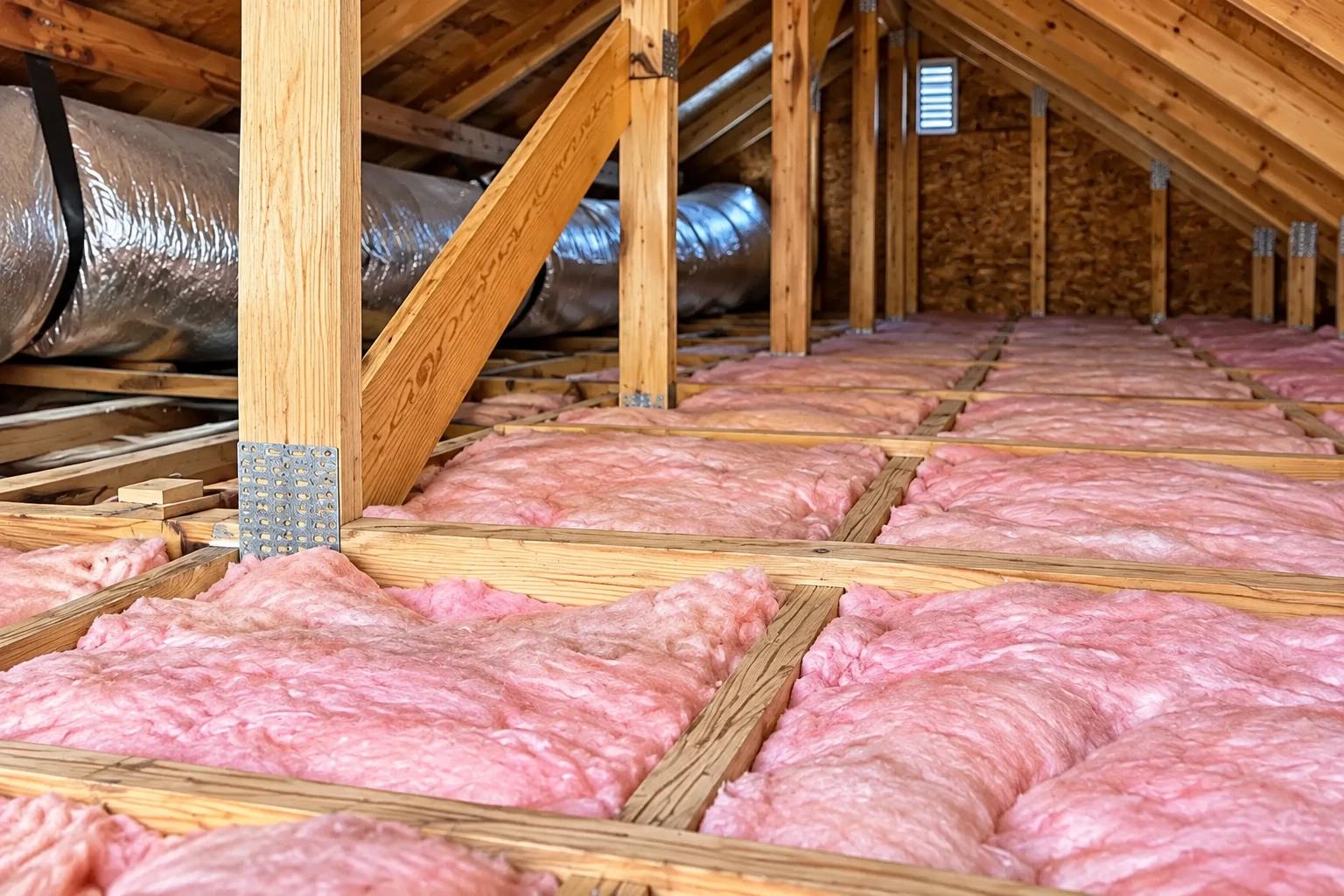
Attic air sealing in Modesto means closing the holes between your rooms and the attic before any insulation goes on, so the air you pay to heat or cool stays downstairs and attic dust stays up there. Most of the gain comes from the big holes, not from chasing every small crack.
The price depends on how many large openings your attic has, how much old insulation has to be moved to reach them, how easy the attic is to crawl around in, and whether something has to be fixed first, like a roof leak or old wiring. The schedule depends on the same things, plus any permit and inspection. I come out, look at the attic myself and write the estimate, so the price is for your house and not a guess.
If your job needs a permit, we pull it with whichever office has your address, city or county, and set up the inspection before the work gets covered. Modesto is home base, and we work in the cities around it in Stanislaus County and over into San Joaquin and Merced counties, so call and ask if you're not sure we come out your way.
I climb up there, see what's going on and write the estimate myself. Our installers do the work, and I go over it with you at the end, so one person answers for the whole job.
We close the gaps before any insulation goes on, because loose fill piled over an open wall top only filters the draft and doesn't stop it. Do it backward and you pay twice.
If your attic is already in decent shape, I'll tell you the job isn't worth the money. I'd rather lose the sale than sell you sealing or insulation your house doesn't need.
We go after the big holes first, because that's where most of the air moves. That means the tops of the walls where they meet the attic floor, dropped soffits, which are the boxed-in ceilings over kitchen cabinets or a hallway, and the attic hatch, which is usually a loose panel with nothing sealing it. Small cracks get caulk, bigger gaps get expanding foam, and a soffit gets capped with rigid foam or drywall sealed at the edges.
Flues get their own treatment because they run hot. We use fire-rated sealant and metal collars around them and keep space between the flue and anything that can burn, so you're not trading a draft for a fire risk. Before we make the house tighter, we look at what burns fuel in it, and we keep the eave vents clear so the attic can still breathe.
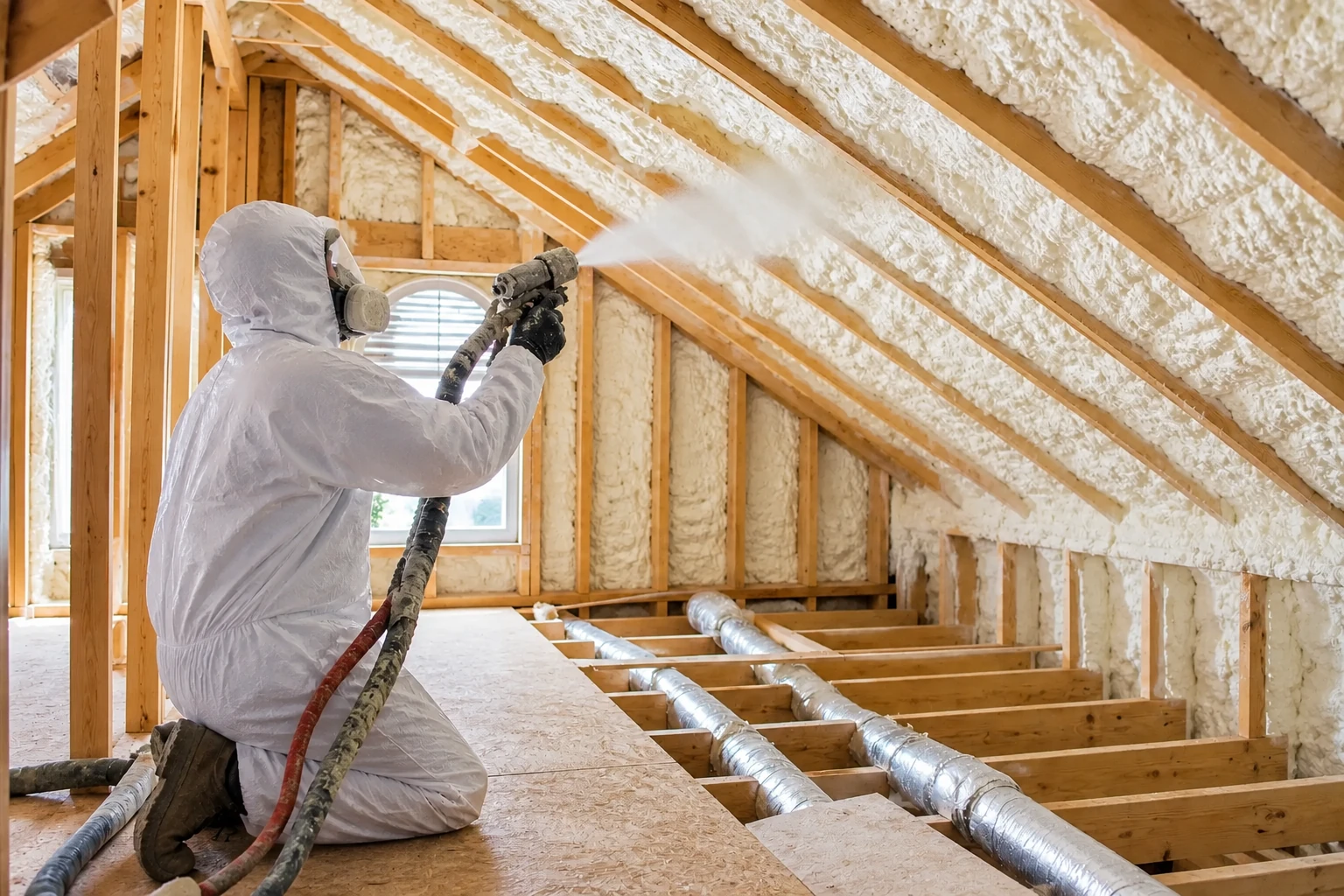
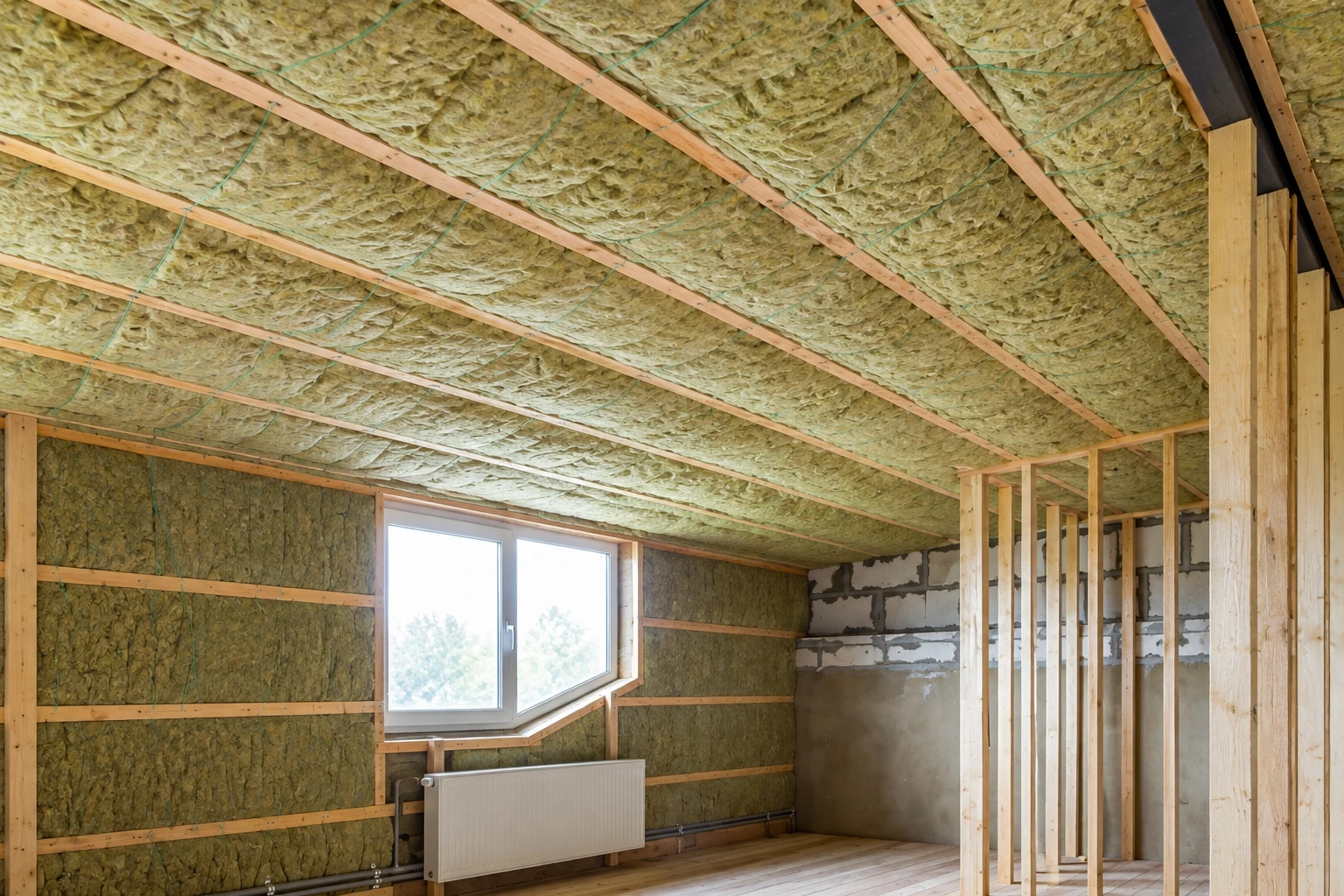
Then comes insulation, if you need it. Sealing the gaps and topping up loose fill usually beats foam on cost, so that's what I'll recommend unless your ductwork runs through the attic, where spray foam insulation can make more sense because it seals and insulates in one pass. If the old insulation is soaked or full of droppings, it comes out first, and we handle the new layer as retrofit insulation.
National guidance says sealing waits if the attic still has live knob and tube wiring, the old wires strung on porcelain knobs. An electrician sorts that out before we cover anything up there.
Vermiculite looks like gray-brown pebbles poured between the joists. Sealing waits until it's been dealt with, so we're not digging through it to reach the gaps underneath.
A bathroom fan that dumps into the attic is blowing damp air onto the framing. It gets routed outside before we seal, so that moisture has somewhere to go besides your roof deck.
A leaking roof gets fixed before we seal, and so does an unvented kerosene heater or gas fireplace in the house. Closing up the attic won't help either one, so those come first.
Send the form and we'll get back to you within one business day to set up a visit. The estimate is free, done at your house, and there's no obligation to go ahead.
Tell us which rooms run drafty, hot or dusty. That tells me which part of the attic to look at first, because the leaks are usually right above those rooms.
It might be a hatch in a closet or a pull-down ladder in the garage. Clearing a path to it ahead of time means I spend the visit in the attic and not moving boxes.
Think water heater, furnace, fireplace or dryer. Knowing what burns fuel in your house tells me what needs checking before we make the house any tighter.
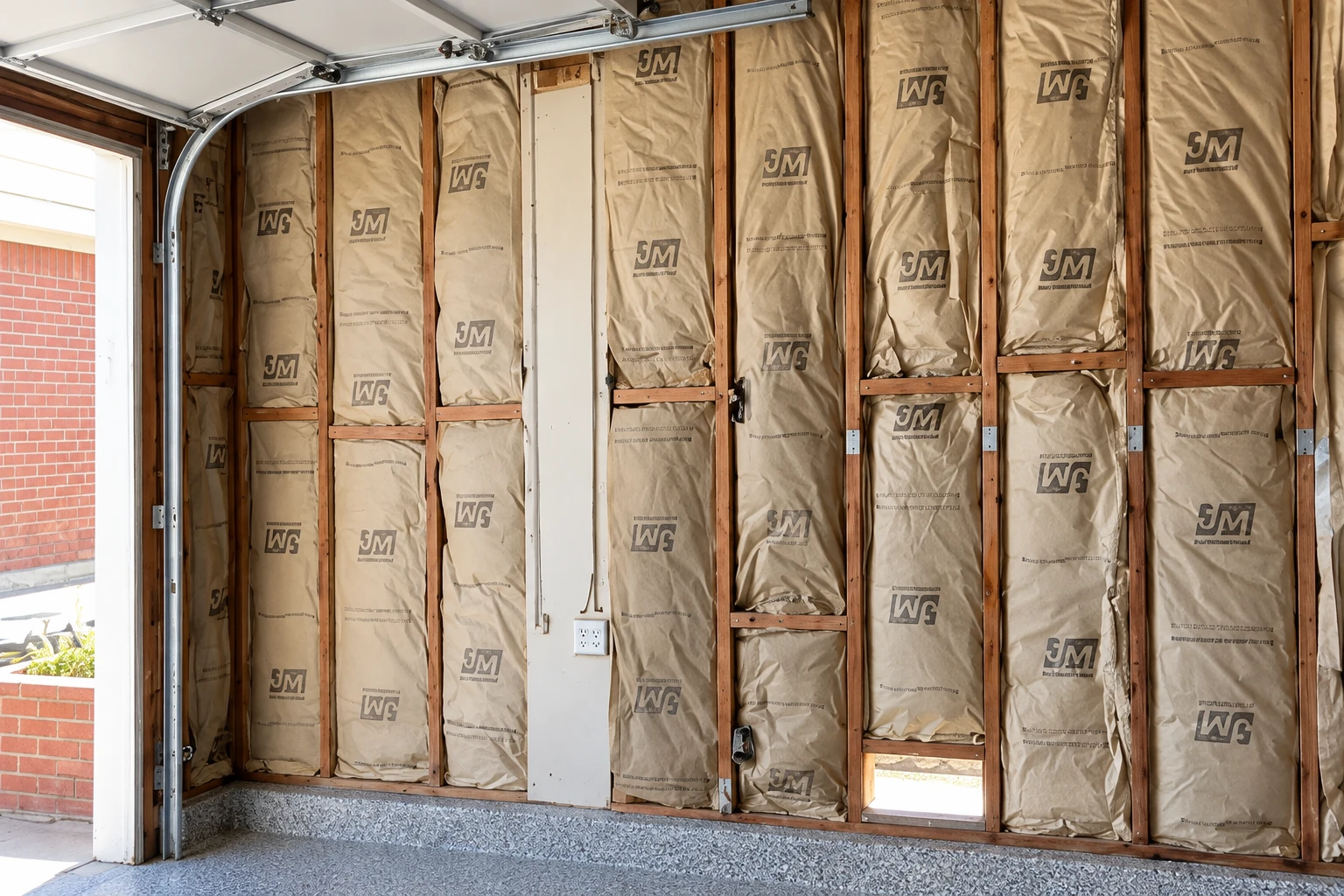
Illustrative photos of sealed wall tops, capped soffits, weatherstripped hatches and flue collars, the kinds of details we'd talk through for your attic.
Straight answers to what Modesto homeowners ask before letting anyone seal the attic, from the warning signs to safety checks and who can do the work.
Drafty rooms, rooms that run hot or cold, high heating or cooling bills, and dust showing up in rooms below the attic are the usual signs a house is a good candidate. Any one of those is a fair reason to have the attic looked at. On the visit I'll tell you whether sealing is worth it for your house.
It can be, but the appliance needs a check first, because in some cases sealing makes a naturally venting gas or oil appliance send its exhaust back into the house. National guidance suggests having a Home Performance Contractor test how it drafts before and after sealing. That's why I ask what burns fuel in your house before we touch anything.
Yes. Sealing gets finished before insulating, because that's how you get the most energy savings out of both, and once insulation is down the gaps are buried. National guidance puts combustion safety and indoor air first, then durability and attic ventilation, then sealing, then insulation. That's the order we work in.
Anyone building or altering a structure in California needs a license from the Contractors State License Board once labor and materials on the project come to $500 or more, according to an older state guide. State rules also cap a down payment at $1,000 or 10 percent of the contract price, whichever is less. We're licensed and insured.
It should name the spots being sealed, and the usual list includes the flue or chimney shaft, the wall top plates, attic kneewalls, skylight shafts, the attic access door, and ducts and registers. Ask any contractor which of those their estimate includes. I'll walk you through which ones apply to your attic.
California's Energy Code, in its 2022 edition, limits air leakage in additions and alterations to existing buildings, not just in new homes. So if you're adding on or remodeling, air leakage counts on that work too. If the job needs a permit, we handle it the way we described above.
Call (209) 222-5441 or use the form, because finding the gaps now beats digging through brand-new insulation later to reach them.