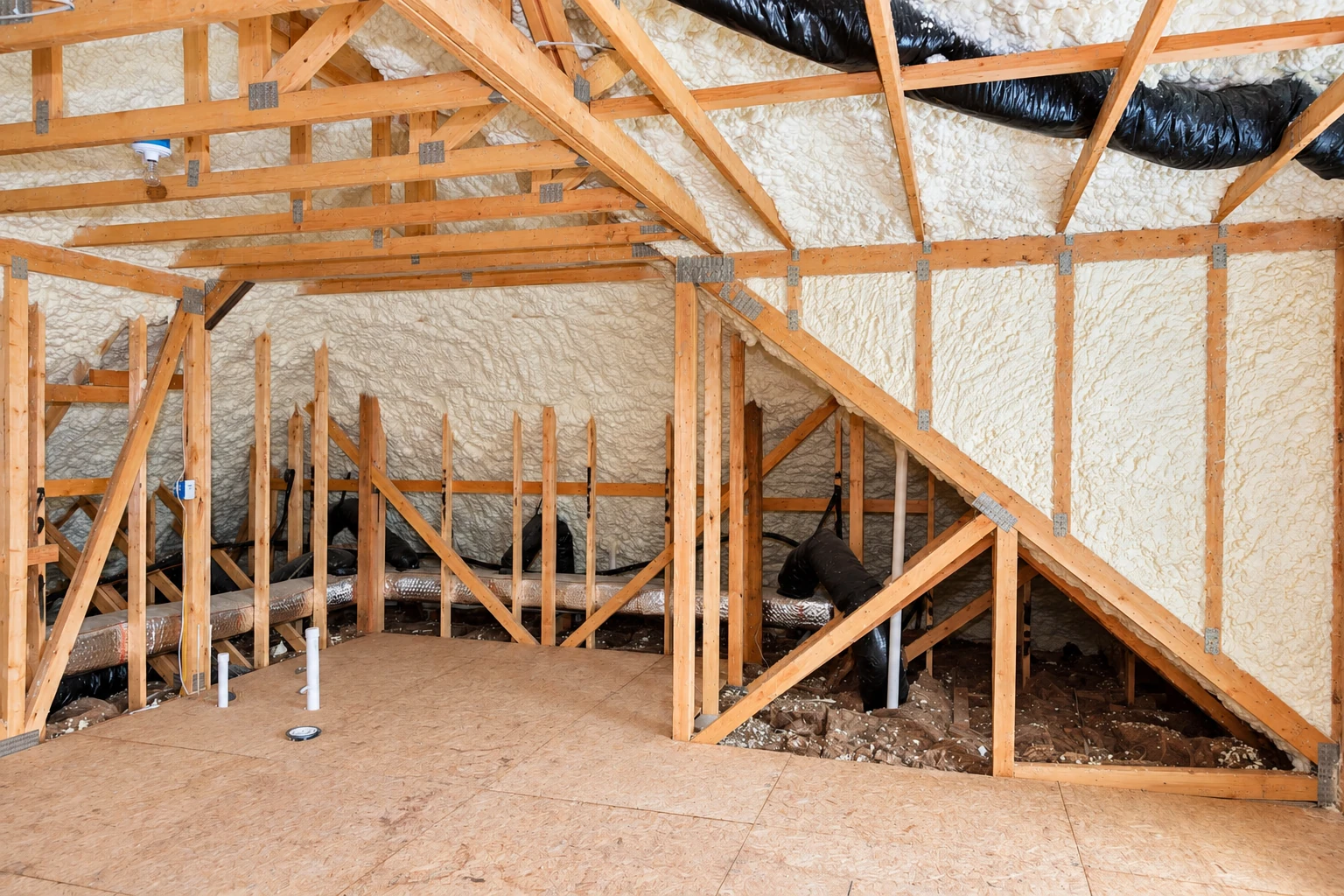
Hot rooms upstairs
When the upstairs is hot by mid-afternoon and the AC can't catch up until late, the attic floor is usually the first place to look, because that's where the roof's heat comes down.
Hot upstairs and a power bill that climbs every July? We seal the attic floor first, then add insulation where it's thin.
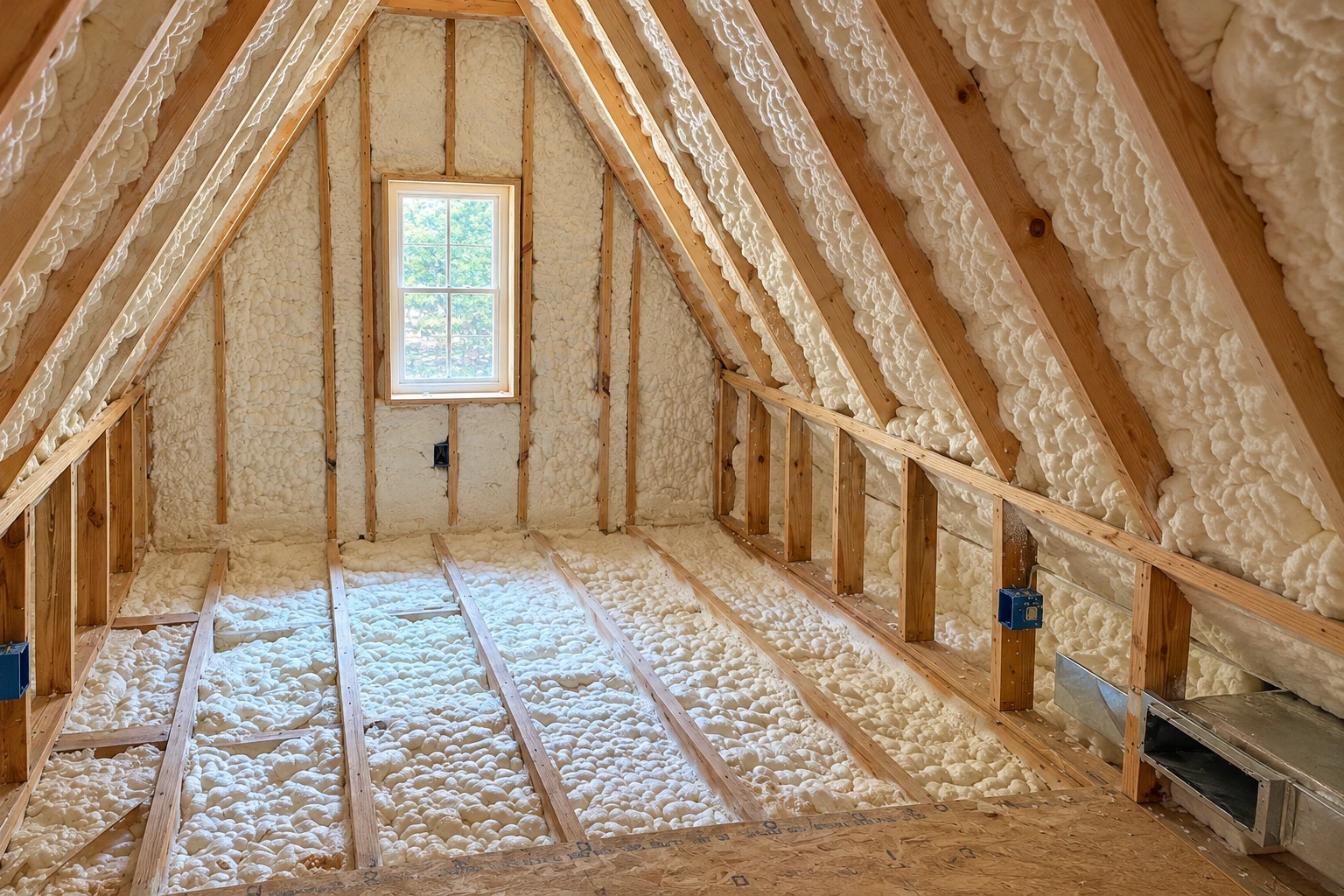
Attic insulation in Modesto is a layer across your attic floor that slows the heat coming down through the roof, so the rooms under it stop baking every afternoon and the AC isn't running half the night to catch up.
Most calls start the same way. The upstairs is hot by mid-afternoon, the room over the garage is worse, and the power bill keeps climbing. I started TempGuard Modesto Spray Foam Insulation in 2013 after learning the trade on a crew here, and I'll take a hot attic over a budget meeting most days. We're based in Modesto and work the cities around it in Stanislaus County and over into San Joaquin and Merced counties, and I come out to look at the job and write the estimate myself.
The price mostly comes down to how big the attic is, how many inches are already up there and whether they're clean and dry, how much sealing the attic floor needs, and which material you pick. The schedule turns on what I find on that first look, because a roof leak or old wiring gets fixed before anything goes on top, and on whether your job needs a permit and an inspection. The free estimate puts your own numbers on all of it. We're licensed and insured, and the state licensing board treats installing insulation for heat or sound as its own contracting trade, so it's fair to ask anyone bidding your attic about their license.
I climb up and see your attic myself before I write a number, so the person pricing the job is the same one who saw your wiring, vents and old insulation.
If your attic already has plenty up there and the real problem is somewhere else, I'll tell you, because I'd rather lose a sale than sell you insulation you don't need.
Our installers do the work, and then I go over it with you at the end, so you see the edges, the vents and the sealed gaps before we pack up.
Before we add anything, I go up and look for four things: old wiring, roof leaks, fans venting into the attic instead of outside, and old vermiculite, the pebbly gray-brown fill some older houses have. Any of those gets handled first, because burying a problem under fresh insulation just hides it until it's harder and messier to fix.
Next we seal the attic floor. Air sealing means closing the gaps around can lights, pipes, wires and the hatch before insulation goes in, so the new layer isn't fighting a draft that carries heat right past it. While we're up there we keep the eave vents clear, since an attic that can't breathe holds moisture in the framing, and we carry the coverage out to the edges instead of piling it deep in the middle.
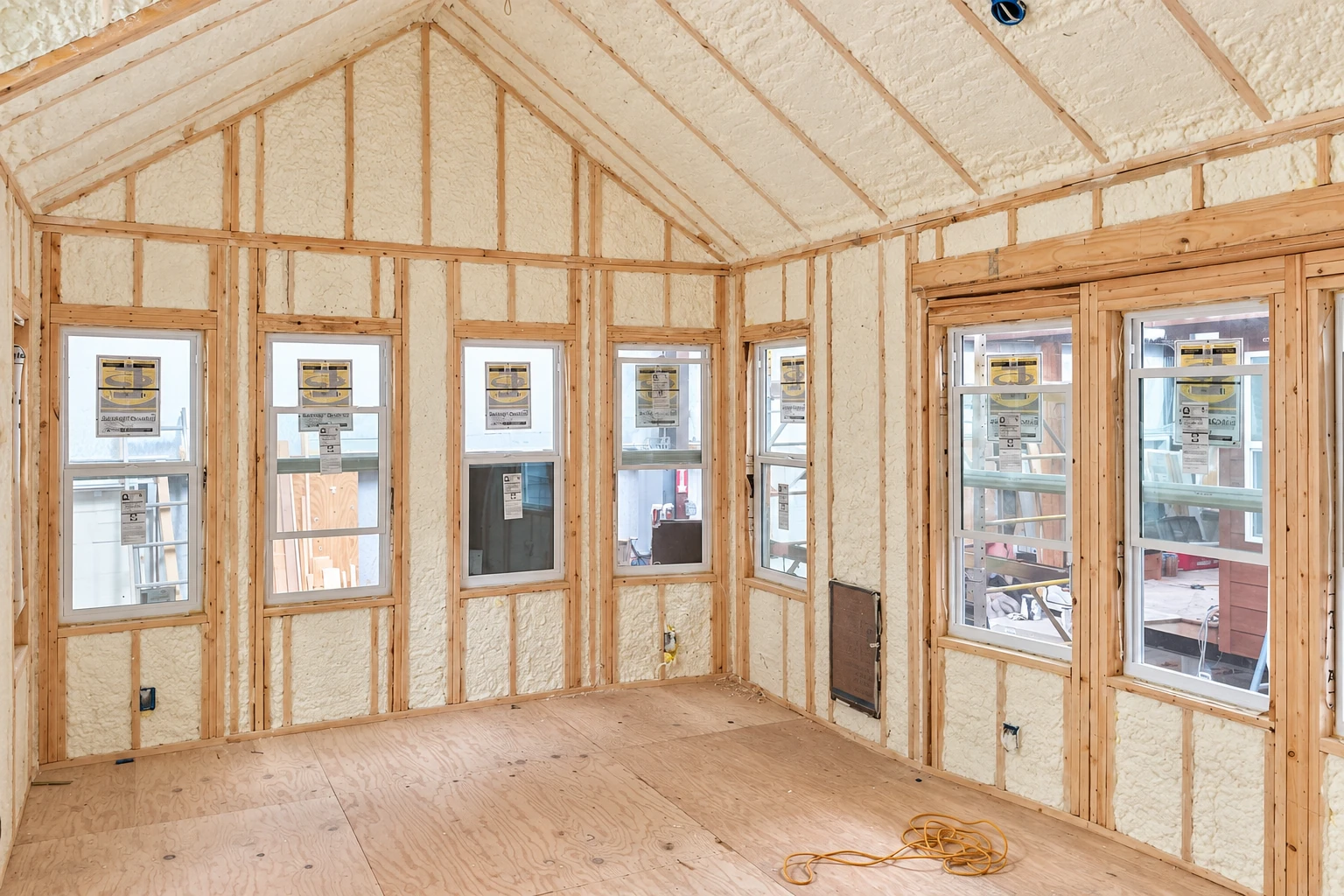
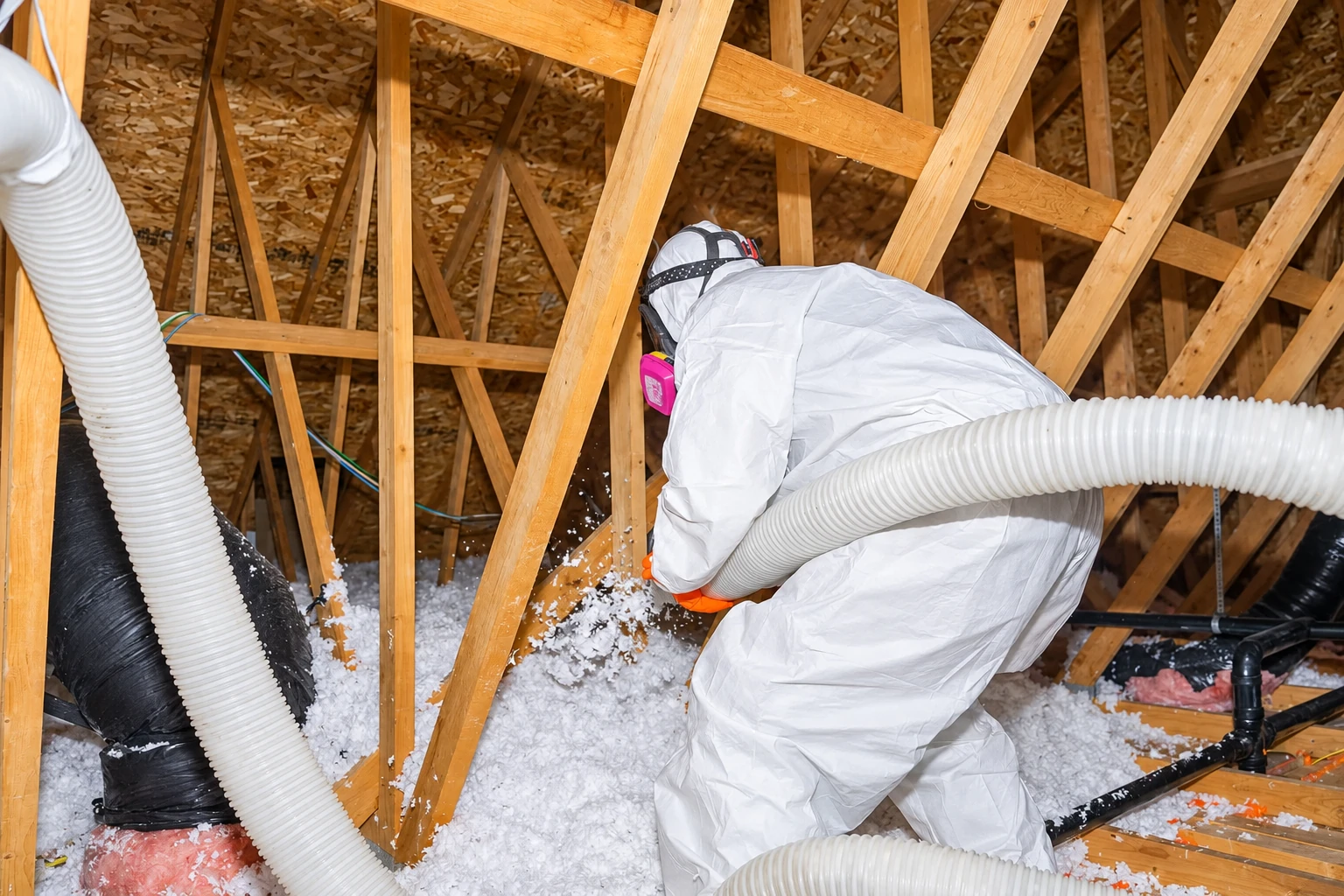
Then I price blown-in insulation, which is loose fill blown through a hose, and batts side by side so you can pick. Foam costs more and seals air while it insulates, and it usually earns that price only when your ductwork lives up in the attic. For most houses, sealing the gaps and topping up loose fill is the better buy. If the attic turns out to be one piece of a bigger comfort problem, we can talk about home insulation for the rest of the house.
When the upstairs is hot by mid-afternoon and the AC can't catch up until late, the attic floor is usually the first place to look, because that's where the roof's heat comes down.
Rooms over a garage tend to get thin insulation and plenty of gaps where the framing changes, so they run hot in summer and drafty in winter, with cold floors to match.
An older house often has a few inches of settled, patchy insulation in the attic. Once the gaps are sealed, topping it up evenly is usually a simple, sensible fix.
Landlords call us when tenants say the upstairs won't cool down. We look first, price it plainly and tell you what's actually worth doing before you spend money on the unit.
Send the form and we'll get back to you within one business day to set a time. I come out, look at the attic and write a free on-site estimate, with no obligation to go ahead.
If you know about old wiring, vermiculite, a fan venting into the attic or a past roof leak, mention it, because those get handled before any insulation goes in.
If you've peeked through the hatch, a rough idea of how deep the insulation is helps me plan, and so does knowing whether it looked dry and clean.
The year it was built tells me a lot before I climb up, since older houses are more likely to have thin insulation, older wiring or something odd above the ceiling.
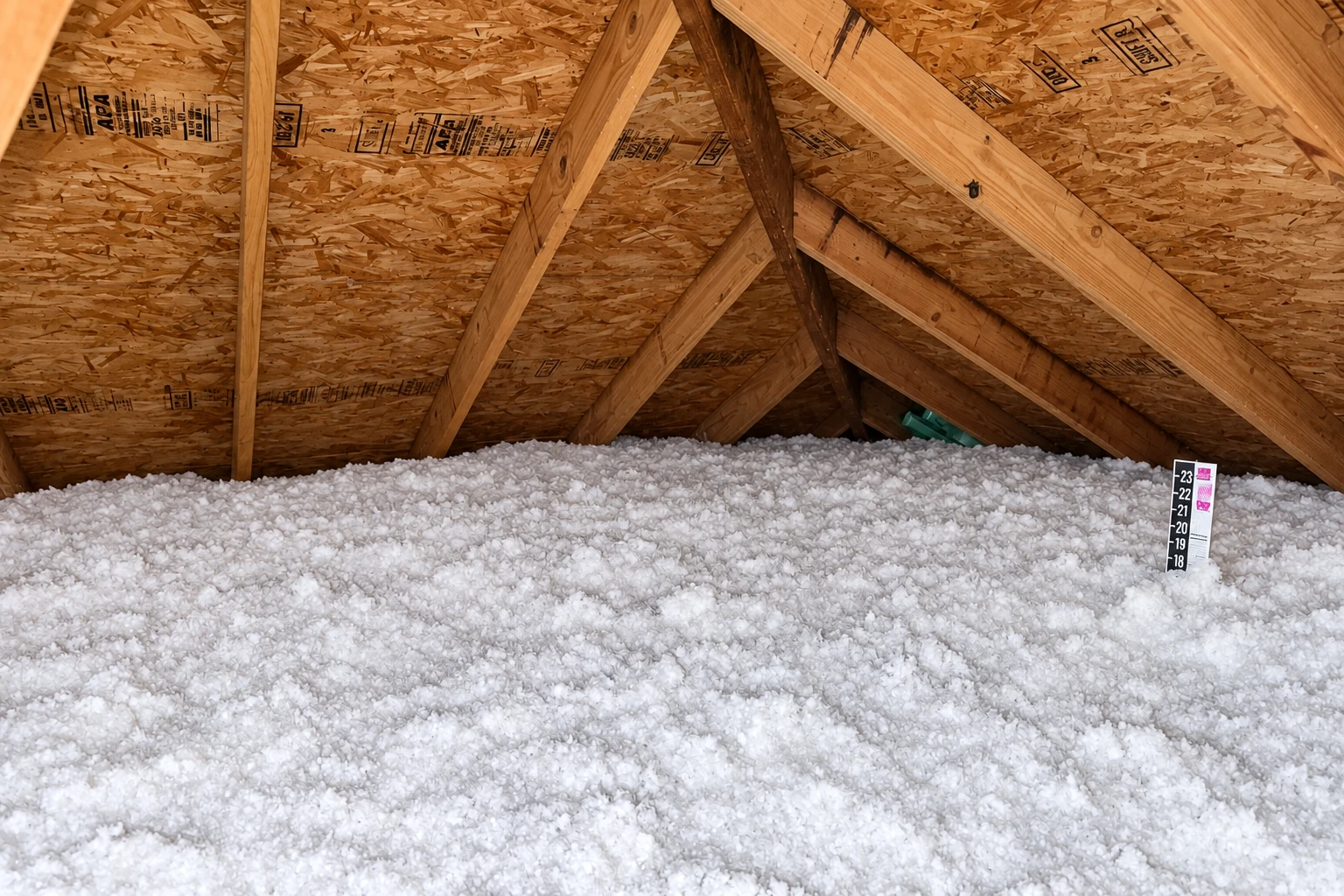
Examples of blown-in and batt coverage, sealed gaps and clear eave vents that we can talk through when we look at your attic.
Straight answers to what homeowners ask before they let a crew into the attic, from sealing and materials to permits.
Sealing first is how the job gets the most energy savings, according to federal energy guidance, because insulation slows heat but doesn't stop air leaking through the gaps under it. When you compare quotes, ask whether the openings in the attic floor get sealed with sealant, one-part spray foam or rigid blocking before the insulation goes in.
Blown loose fill, like fiberglass, rock wool or cellulose, usually costs less to put in than batts and gives better coverage, because it settles around wires and framing instead of leaving seams. Installed costs can vary from one house to the next, so it's worth getting both priced, which is why our estimate shows them side by side.
Active knob-and-tube wiring, the old system run on porcelain knobs, plus vermiculite, bathroom fans venting into the attic and roof leaks all come first, the federal attic guidance says. Older vermiculite may contain asbestos, which is one reason it stops the job until it's dealt with. Flues, chimneys and exhaust fans also need metal blocking to keep insulation clear of their heat.
Usually only if the attic has little or no insulation, because that's where a radiant barrier, a reflective sheet under the roof, makes a large difference. Once the insulation is at R-30 or better on R-value, the measure of how well it slows heat, there's very little heat flow left for a barrier to cut. I'll tell you which side of that line you're on.
If your job needs one, the city's Building Safety Division issues it once the plans are approved and the fees are paid. For permitted work, the city asks for an inspection before the work is covered up. When a permit is needed, we pull it with whichever office has your address, city or county, and set up that inspection before anything gets covered.
About 15 to 25% of the heat a house picks up comes in through the roof and attic. That makes the attic a big piece of a hot upstairs, but not the whole story, so if yours is already in good shape I'll point you toward the walls, windows or ducts instead of selling you more on top.
Call (209) 222-5441 any day from 7 AM to 11 PM or send the form, and ask if we reach your city.