
Bedrooms that bake upstairs
Upstairs rooms that stay hot after the sun goes down usually sit under a thin or settled attic layer. Sealing and topping up the attic over them is usually where we start.
Hot upstairs, drafty rooms and a power bill that climbs? We add insulation where your house is short, after checking what's already up there.
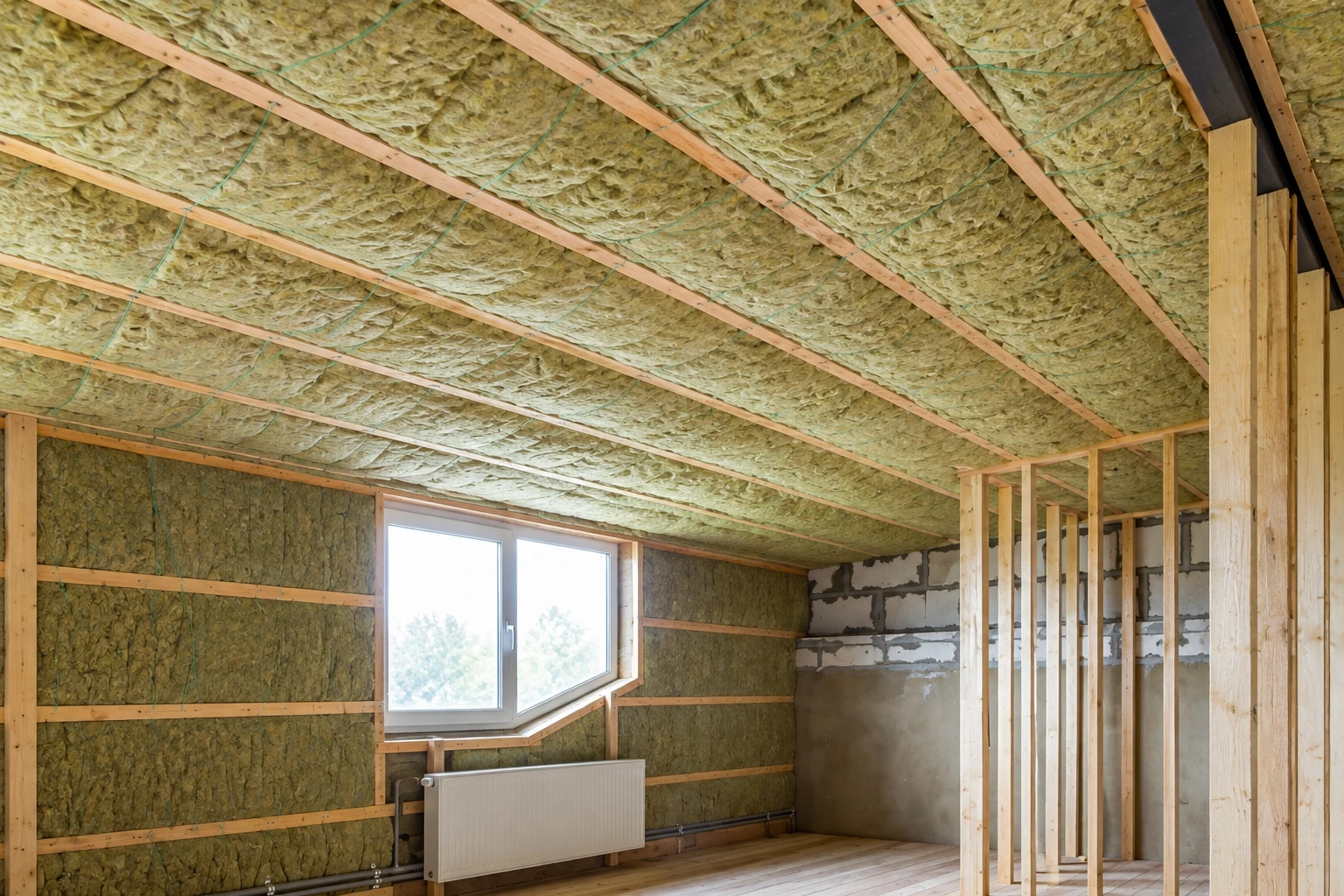
Retrofit insulation in Modesto adds insulation to a house that already has some, usually more in the attic or blown into the empty spaces inside existing walls, so the rooms below and behind it hold their temperature better and stay quieter.
Most calls start with a room that won't stay comfortable, usually a hot bedroom upstairs or the room over the garage. The price turns on how much insulation is already up there, whether it goes in the attic, the walls or both, how easy the attic is to get around in, and whether old material or old wiring has to be dealt with first. The schedule turns on those same checks, because an electrician or an inspection can come before our crew does. You'll get your own number from the estimate I write after I've been up there.
We're licensed and insured, and when a job needs a permit, we pull it with whichever office has your address, city or county, and set up the inspection before anything gets covered.
I come out myself, check how deep your attic insulation is and write the estimate. If you already have plenty up there, I'll say so and save you the money.
Wet spots, old wiring and anything that burns fuel get checked first, because fresh insulation just hides a problem, and a tighter house changes how those appliances get their air.
Our installers do the work, and I go over it with you at the end, so the person who wrote the estimate checks that it matches. Satisfaction guaranteed.
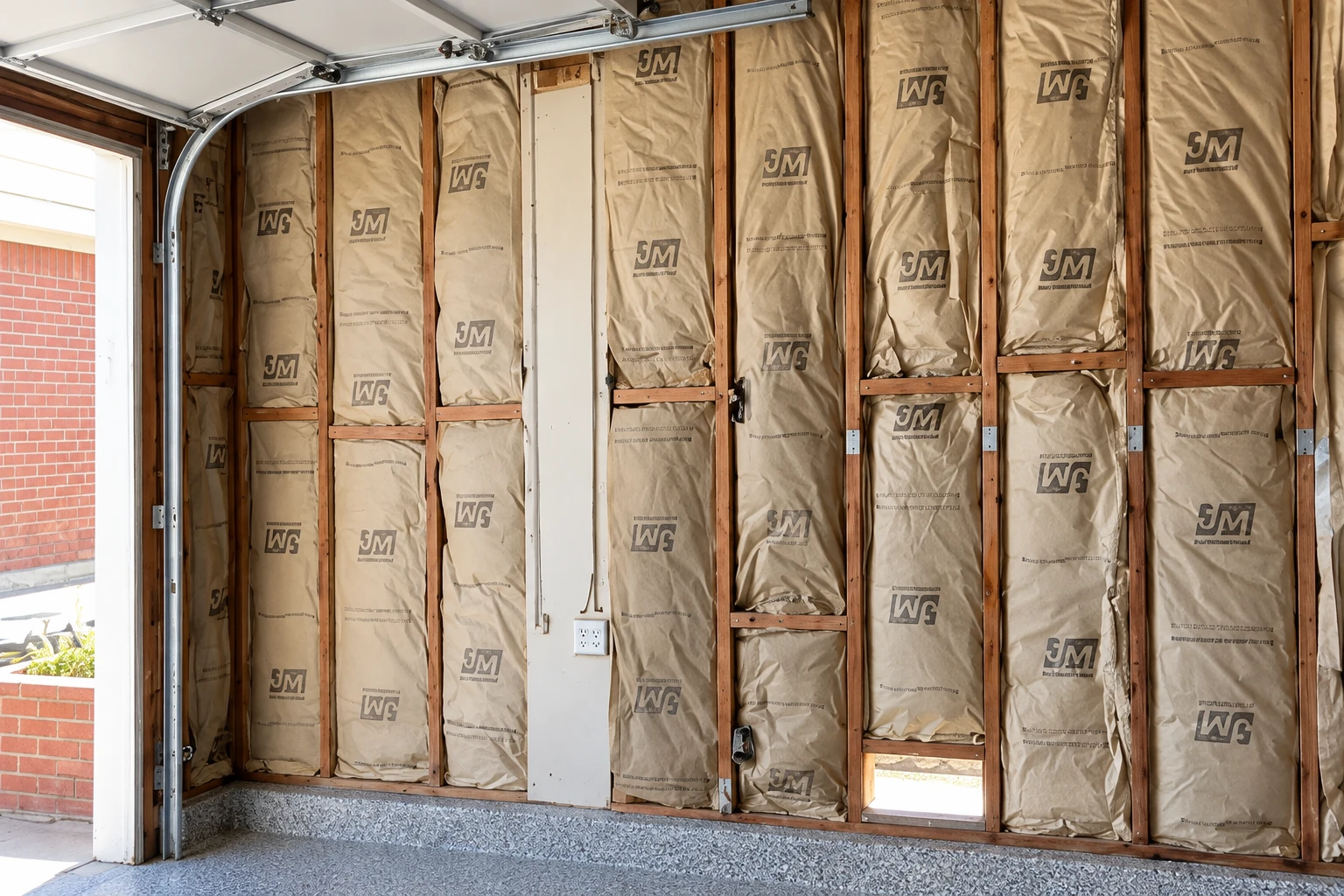
Retrofit work means adding to what's already there, so I start by checking how deep the attic insulation is, what shape it's in and what's in the walls. If the old layer got soaked or is full of droppings, it comes out first, because new material on top just keeps the problem. Recessed lights, the cans in your ceiling, that aren't IC rated to touch insulation get sorted out before anything goes around them, since cans without that rating are a serious fire hazard when they're surrounded by material that burns.
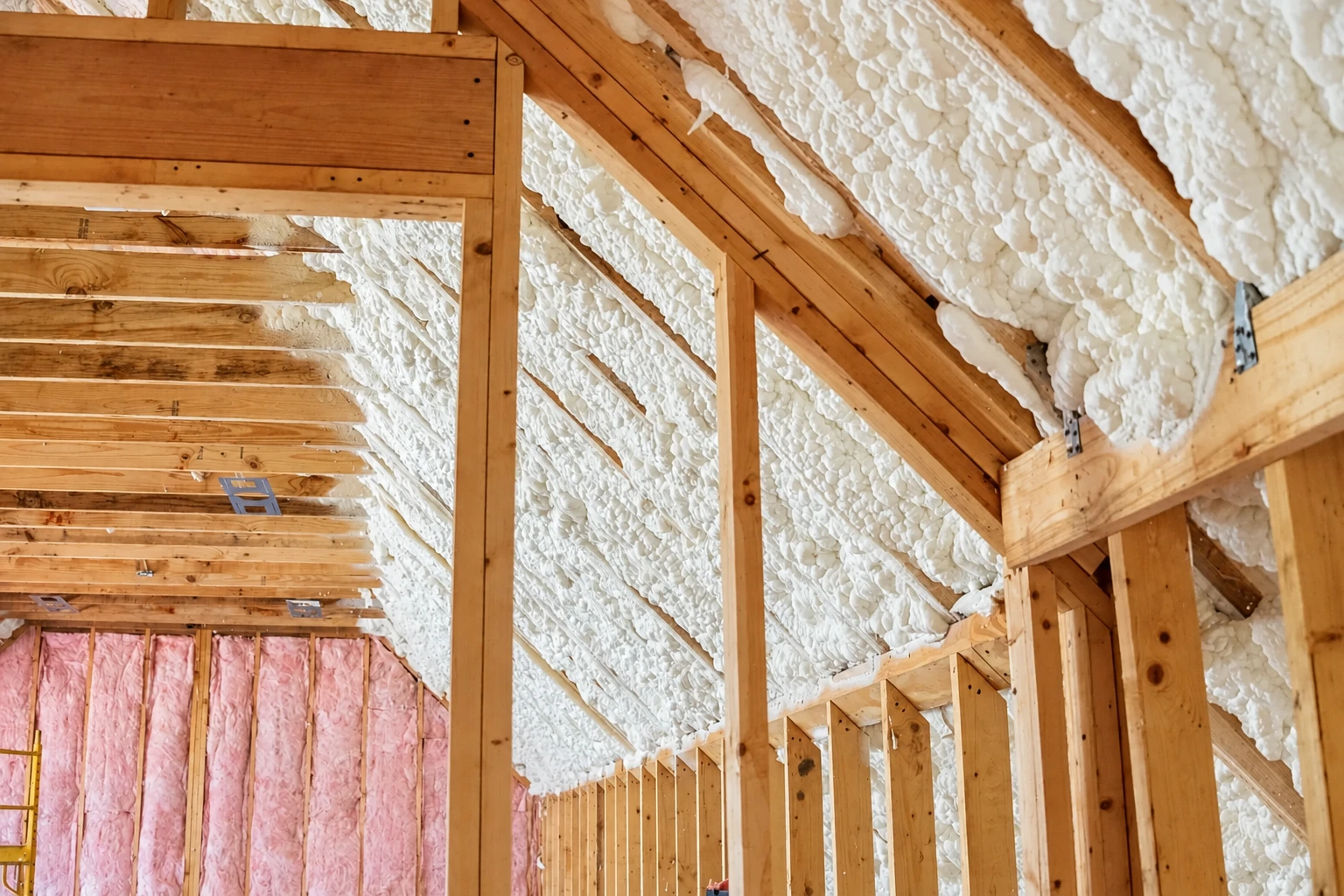
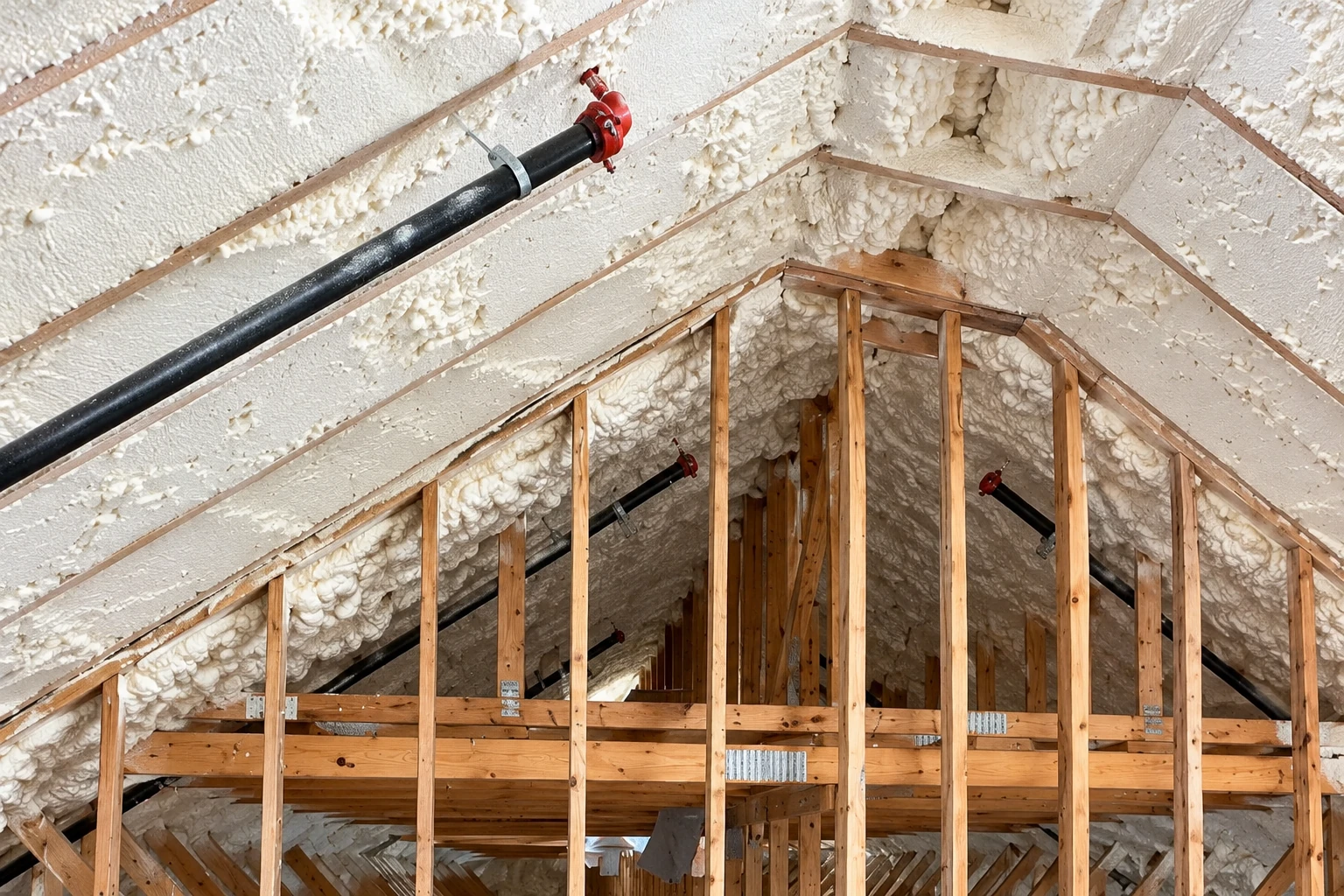
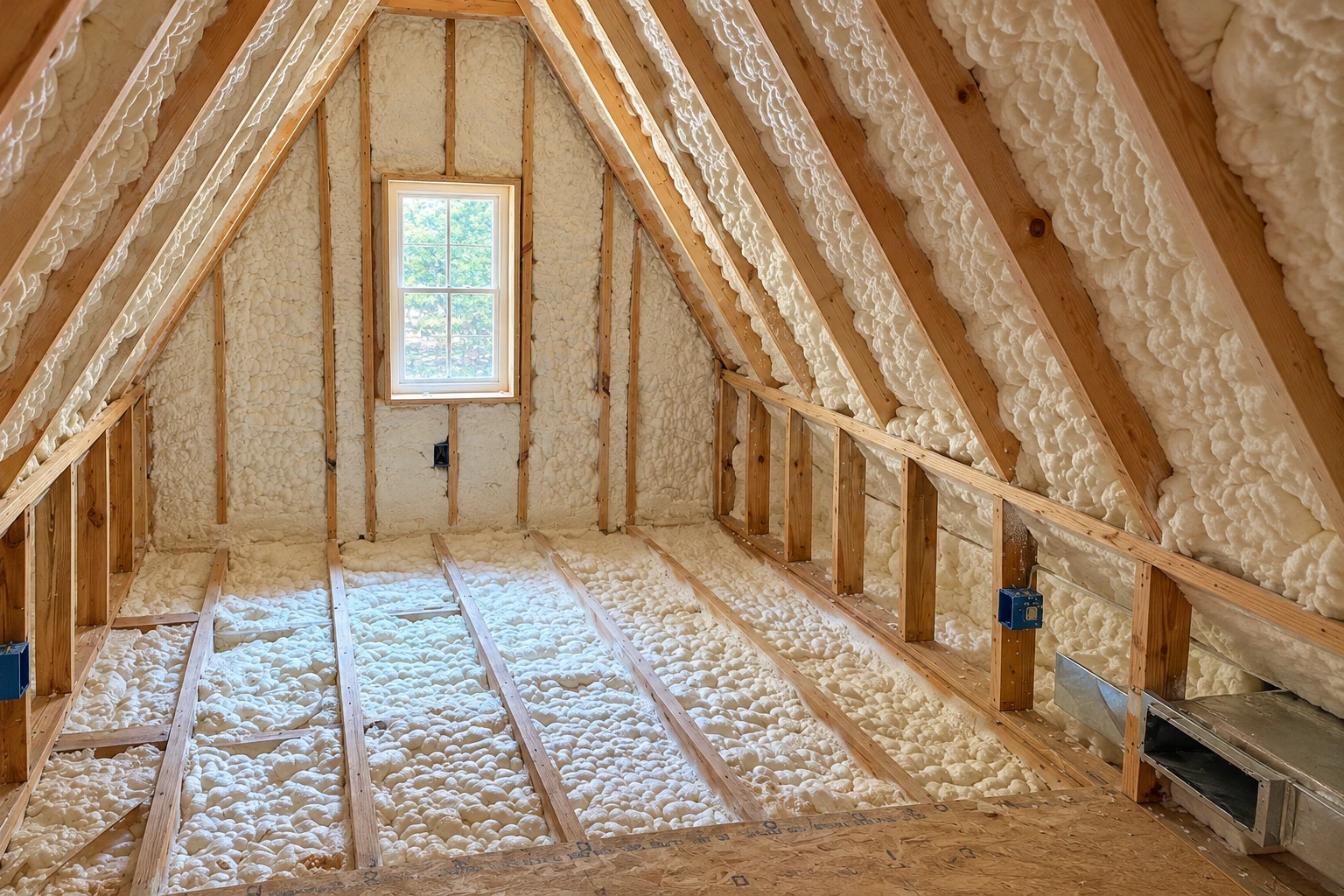
Then we seal. Air sealing, closing the gaps around pipes, wires, lights and the hatch, goes first so the new insulation isn't fighting a draft. For most houses, that plus a top-up of blown-in, loose fill sent through a hose, is the better buy for attic insulation. Spray foam insulation costs more and seals air while it insulates, and I'll point you to it when your ductwork runs through the attic. Either way, we keep coverage full out to the edges and keep the eave vents along the roofline clear so the attic can still breathe.
In California, adding or replacing attic insulation counts as altering the ceiling, which brings in the state's attic insulation and air sealing requirements for vented attics over living space. The state also wants attic ventilation reviewed and fixed as needed whenever work is done up there, so we look at the vents on every attic job. Modesto is home base, and we do the same work in the cities around it in Stanislaus County and over into San Joaquin and Merced counties.
Upstairs rooms that stay hot after the sun goes down usually sit under a thin or settled attic layer. Sealing and topping up the attic over them is usually where we start.
It sits between an unheated garage and the roof, so it gets hit from two sides. We look at the ceiling and the walls around it before deciding what to add.
Plenty of older houses went up with empty wall cavities, which is why some rooms feel drafty whatever the thermostat says. Blown-in insulation can fill them without tearing the walls open.
Landlords often call us when a unit sits empty, since the attic and walls are easier to reach without furniture and people in the way, and the next tenant moves into steadier rooms.
Send the form and we'll get back to you within one business day to set a time. I come out, look at your attic and walls, and write a free estimate with no obligation.
The build year tells me what I'm likely to find, like empty walls, old wiring or older insulation, so I know what to look at closely when I come out.
If you can see whether the joists show above the insulation from the hatch, tell us. It gives me a rough read before I go up and measure. I'll do the crawling.
A hot bedroom upstairs, the room over the garage, a drafty wall. Knowing where it's uncomfortable tells me where to look first and keeps the estimate about your actual problem.
Use these examples of attic top-ups, sealed hatches and filled wall cavities to decide what you'd like to talk through at your house.
These are the questions homeowners ask most before adding insulation to an attic or existing walls, answered the way I'd answer them on site.
If you can easily see your attic floor joists, ENERGY STAR's attic guide says to add more. If the insulation sits well above them, you probably have enough, and adding more may not be worth the money. A flashlight from the hatch tells you a lot, and I'll measure the depth when I come out.
Usually with drill and fill, where small holes go near the top of each wall cavity and blown-in insulation fills the space behind them. The holes can go in from inside or outside, so you pick the side. On houses built before 1980, federal guidance says to keep lead safety rules in mind, depending on how much wall surface gets disturbed.
Insulation work waits, because vermiculite may contain asbestos and federal guidance says not to proceed when that's what's up there. The EPA recommends leaving it undisturbed. If you decide to remove it, the EPA says a trained, accredited asbestos abatement contractor should do it, separate from whoever assessed it, so nobody is grading their own work.
Not until the wiring is dealt with. Federal guidance says insulation goes in only after active knob and tube, the old wiring strung on porcelain knobs, is replaced or properly boxed, so an electrician comes first on the schedule. If I spot it during the estimate, I'll tell you, and we plan our part around that step.
Modesto inspects permitted work before it's covered up or built over, so the inspector sees it while it's still open. The city requires permits so work is done properly and meets life safety requirements and building codes. Inspections are requested through the city's eTRAKiT portal on Modesto's building permits page, and we handle that when we pull the permit.
We answer the phone from 7 AM to 11 PM every day, so call (209) 222-5441 tonight or use the form, and I'll come take a look.