
A roof leak soaked it
Wet insulation stops slowing heat and holds damp against the wood. The roof gets fixed first, then the soaked section comes out, so the new layer doesn't end up wet too.
Wet, flattened or rodent-soiled insulation up there? We take out what's ruined so your attic can be sealed and insulated properly.
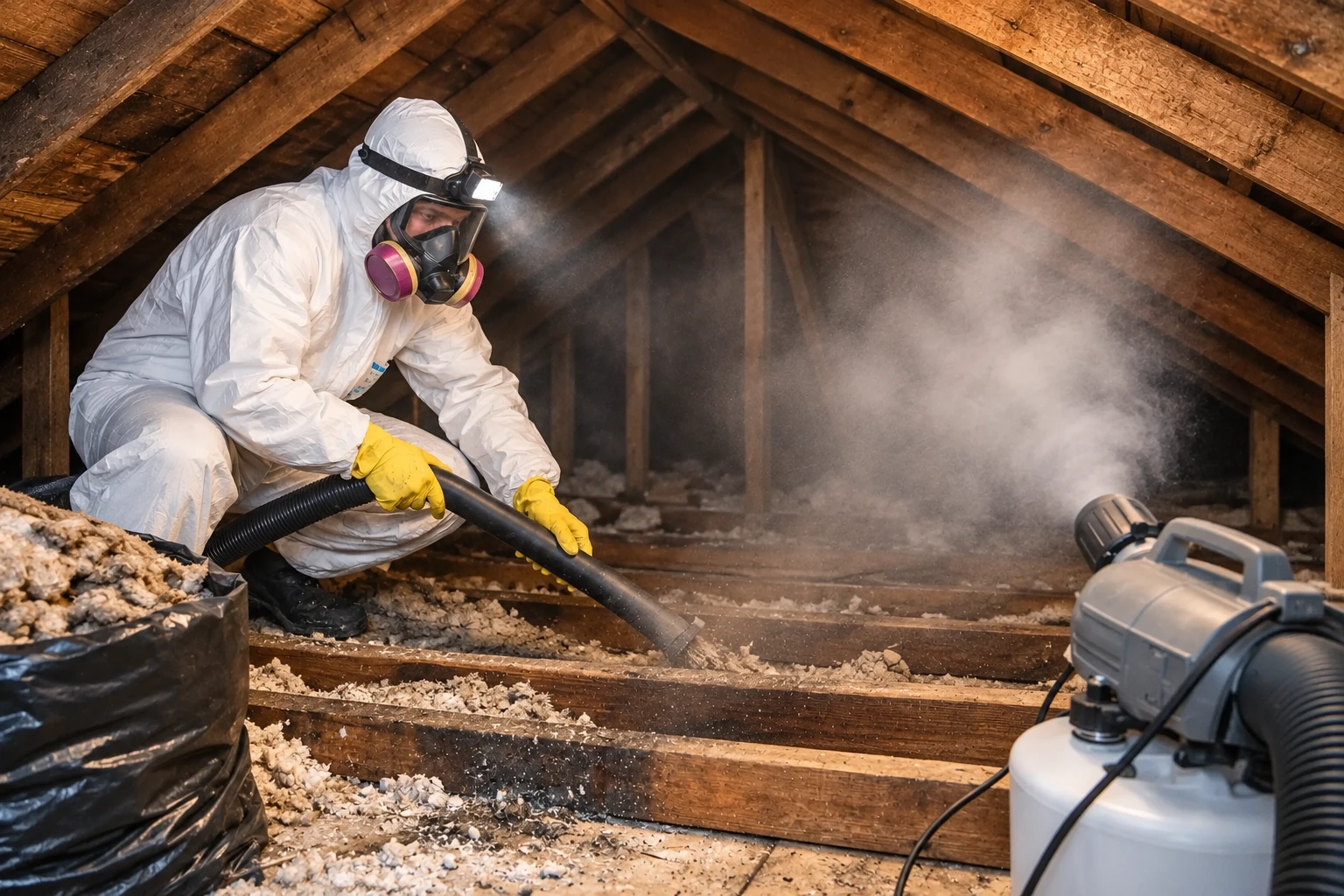
Insulation removal in Modesto means our crew takes the old insulation out of your attic so the gaps underneath can be sealed and a fresh layer can go in on a clean floor.
Most calls start with a hot upstairs, a room over the garage nobody wants to sleep in, a power bill that keeps climbing, or droppings and a water stain someone spotted through the hatch. The price and the schedule mostly turn on how big the attic is, how easy it is to move around up there, what kind of insulation you have and whether something has to be fixed first. I come out, look at it myself and write the estimate, so the figure is for your attic and not a guess.
Modesto is home base, and we work in the cities around it in Stanislaus County and over into San Joaquin and Merced counties, so call and ask if you're not sure we come out your way.
I'd rather tell you a job isn't worth the money than sell you work you don't need. Sometimes the fix for a hot upstairs is sealing and a top-up, not a tear-out.
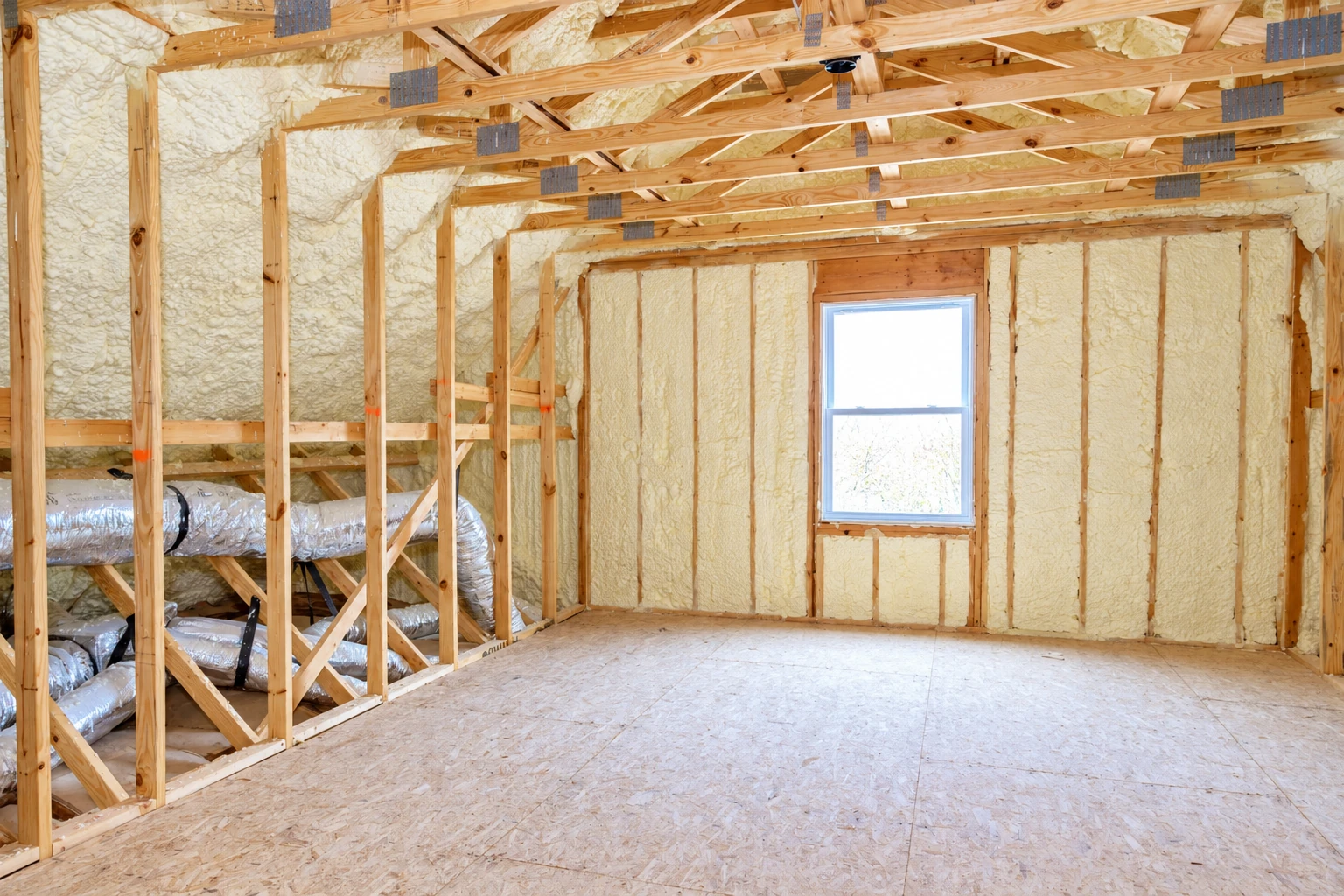
With the old layer gone, we can do the air sealing, plugging the gaps around can lights, pipes and the hatch. New insulation laid over open gaps just ends up fighting a draft.
I learned this work on an insulation crew here in Modesto and started this business in 2013. Before that I had an office job, and attics are hotter but hold fewer meetings.
Old insulation comes out when it's wet, moldy, full of rodent mess or packed down flat, because fresh material laid on top keeps the damp, the smell or the droppings right where they were. If yours is dry and clean, we'll talk about adding to it instead, and I'll tell you that before anything gets pulled. Anything that looks like vermiculite we leave alone and send to an asbestos abatement contractor, and the questions below cover what that means for you.
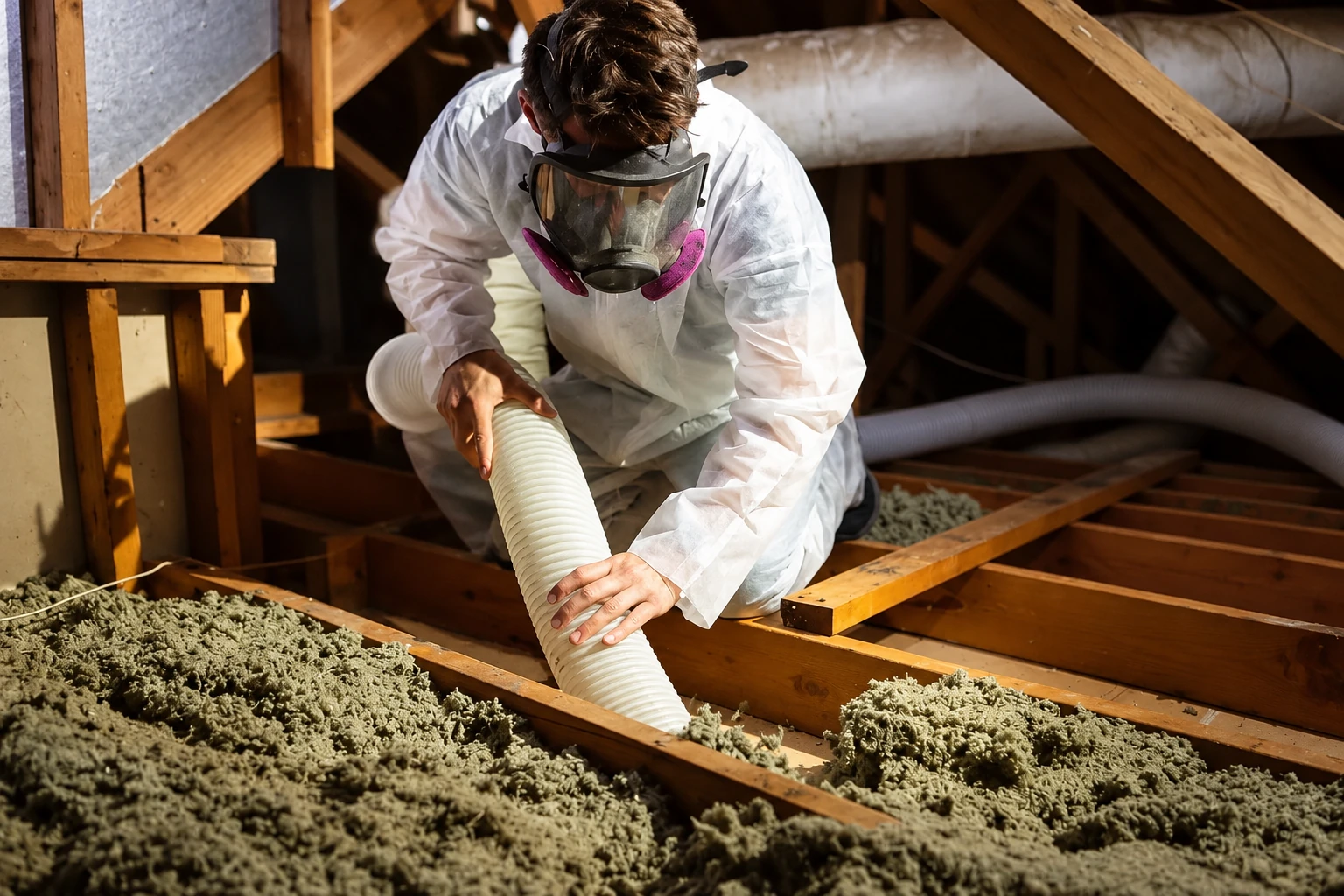
When it does come out, our installers clear the attic floor and haul the old material away. Then the order matters. Wet spots and old wiring get dealt with before anything gets covered, I check what burns fuel in the house, like the furnace and water heater, before we make it tighter, the gaps get sealed, and the new layer goes in full depth at the edges as well as the middle without burying the eave vents, so the attic can still breathe. When the installers are done, I go over the work with you.
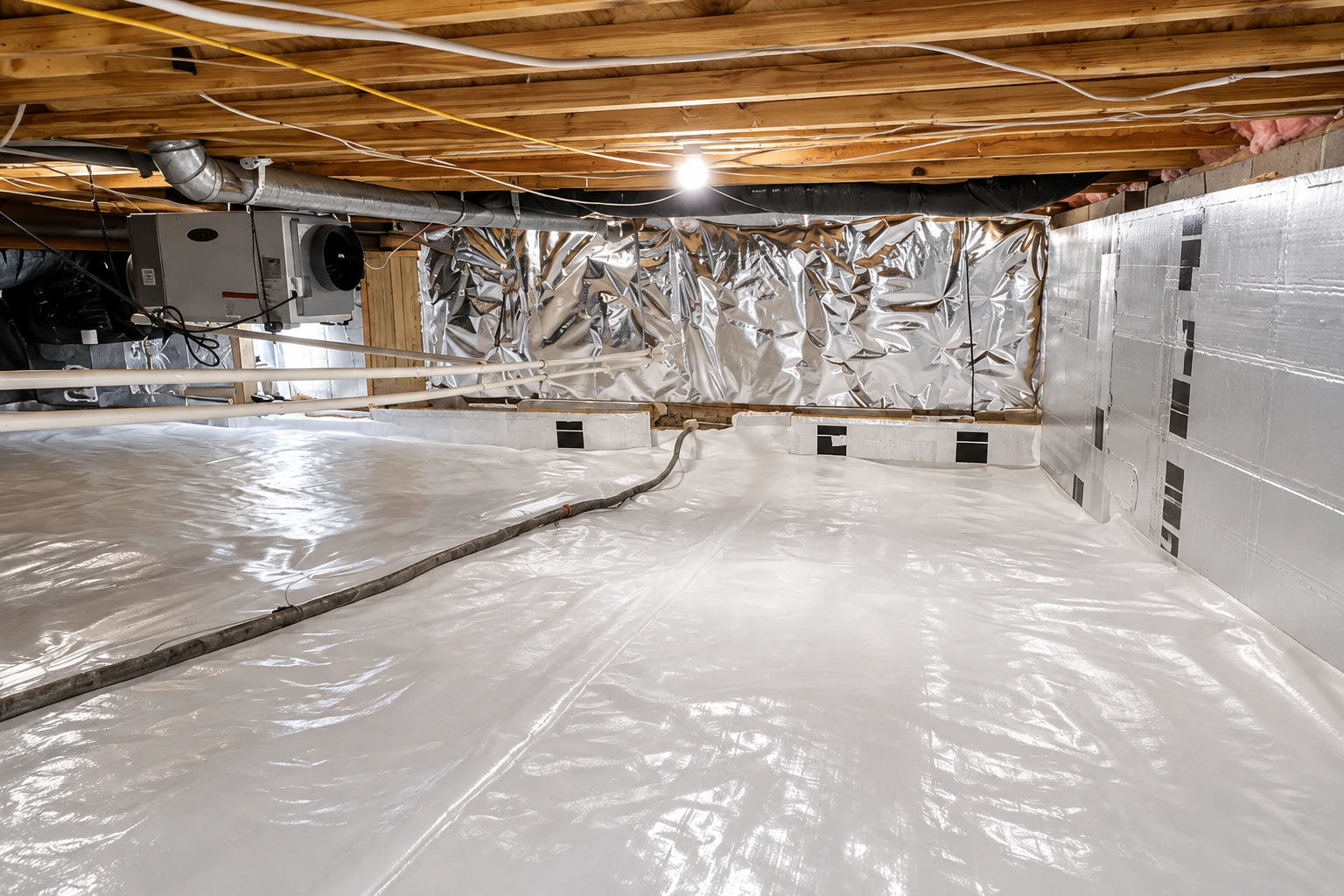
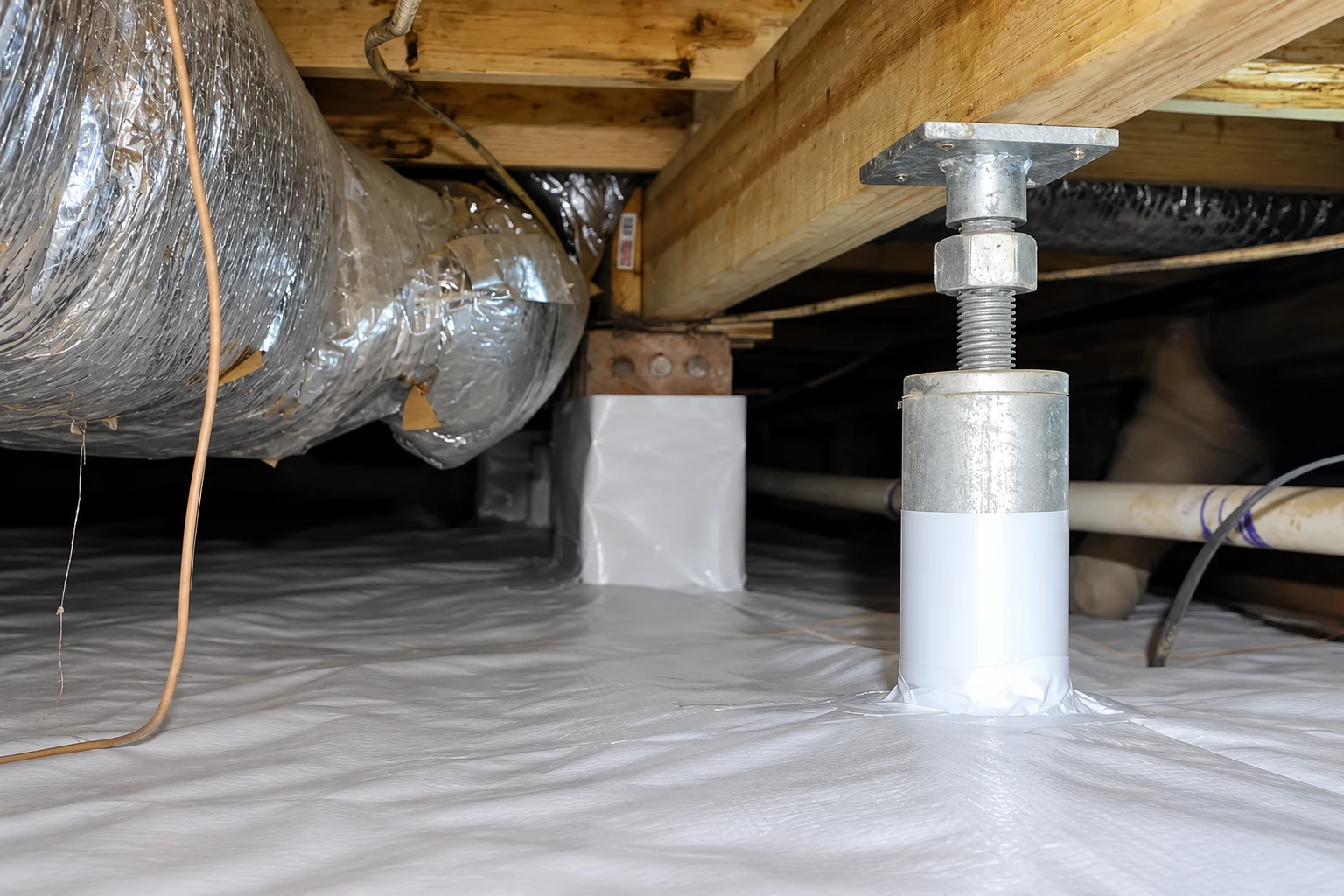
The attic is where most removal happens, but damp, sagging batts under the floor are their own job under crawl space insulation, and rooms that stay cold along the outside walls are usually a wall insulation question. I'll tell you which one is actually costing you.
Wet insulation stops slowing heat and holds damp against the wood. The roof gets fixed first, then the soaked section comes out, so the new layer doesn't end up wet too.
Droppings, nests and urine work into loose fill and batts, and the smell drifts down into the house. That material comes out, because burying it under fresh insulation keeps the mess there.
Insulation that's been stepped on or settled thin isn't slowing much heat, which is often why the room over the garage stays hot. Sometimes adding a layer works, and sometimes it has to go.
Old wiring is a lot easier to check with the insulation out of the way. I'd rather an electrician look at it now than have us bury a problem under a new layer.
Send the form and we'll get back to you within one business day to set a time. I come out, look at your attic and write a free estimate, with no obligation to go ahead.
I look at the attic in person before I put down a number. The estimate comes from what I saw up there, not from a square-foot guess over the phone.
Our installers do the removal and the new work. When they're finished, I go over the job with you myself, and the work is satisfaction guaranteed.
Mention the attic's rough size, what kind of insulation you think is up there and any wet spots, droppings or pebbly gray material. It tells me what to look for first.
These photos show cleared attic floors, sealed gaps and fresh insulation layers, the kinds of finishes and layouts we can talk through at your estimate.
Here's what Modesto homeowners usually ask before deciding whether the old insulation stays or goes, and who should be the one taking it out.
Often, yes, if the old layer is dry, clean and free of mold and pests, which saves you the cost of removal. One cost guide calls for removal only when it's wet, moldy, soiled by rodents, contains asbestos or vermiculite, or has packed down to less than half its original thickness, and not because it's old. I'll check yours and tell you which side it falls on.
Removing attic insulation usually costs about $1,600 to $3,600 per job across the US, going by one national cost guide, so treat it as a ballpark, not a Modesto quote. Blown-in usually costs more to take out than batts or rolls because it's slower work, and asbestos removal is priced on how much there is and how easy it is to reach. Your number comes from the estimate.
Removal usually takes anywhere from about 4 hours to 2 days or more, by one national cost guide, depending on how big the attic is and how complicated the job gets. A small, simple attic can be a short visit, and a large one with tight framing and a low roof takes longer. I'll tell you what to expect for yours when I write the estimate.
Leave it alone. The EPA advises treating vermiculite, a pebbly pour-in insulation that's usually gray-brown or silver-gold, as if it contains asbestos, and either leaving it undisturbed or having a trained professional take it out. If it needs to come out, the EPA suggests an accredited abatement contractor separate from whoever assessed it, so ask each bidder whether they did the assessment too.
If your job needs a permit, we pull it with the city's Building Safety Division and set up the inspection before anything gets covered. Asbestos is where the state steps in. California requires a specially licensed, state-registered contractor for work on 100 square feet or more of asbestos-containing material, which is why vermiculite goes to a specialist. We're licensed and insured.
We pick up from 7 AM to 11 PM every day, so call (209) 222-5441 after work or send the form tonight.