
Spray foam insulation
Foam fits the spots where air leaks and heat loss meet, like the edge of a raised floor or the room over the garage. It costs more than loose fill, so I only recommend it where it earns that.
TempGuard Modesto Spray Foam Insulation insulates and air seals houses in Turlock, from attics that bake the upstairs bedrooms to crawl spaces that leave the floors cold. We're based in Modesto, just up the road.
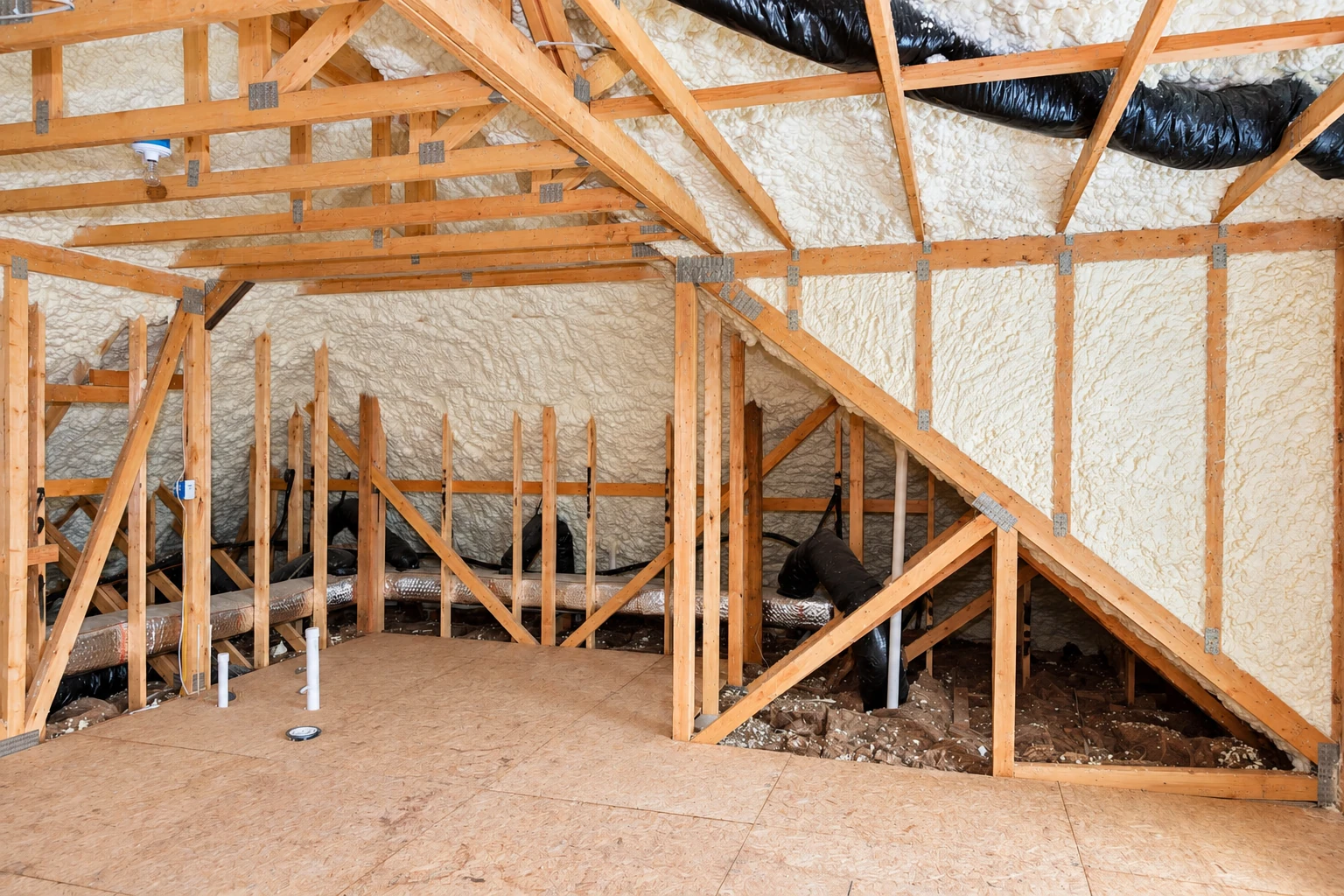
Turlock sits on flat ground, and the city says heavy winter rain can leave shallow water standing around town now and then, even though no part of Turlock is in a FEMA 100-year or 500-year flood plain. Under a raised-floor house, that water soaks into the dirt and the insulation above it, so I check the crawl space for damp soil and wet insulation before we add anything. Upstairs it's the usual valley complaint, a hot bedroom or a room over the garage that never cools off, sitting under an attic with a few tired inches left in it.
Price mostly comes down to what's already up there, how much has to come out first, how many gaps need sealing and how tight the attic or crawl space is to work in. The schedule turns on the same things, plus whether a permit and inspection come first. Permits in town go through the city's Building & Safety Division, and I cover what that means for insulation in the questions below. I come out, look myself and write the estimate, which gives you your own figure.
We do the same work in Ceres, Keyes and over in Manteca, so a Turlock job is ordinary ground for our crew.
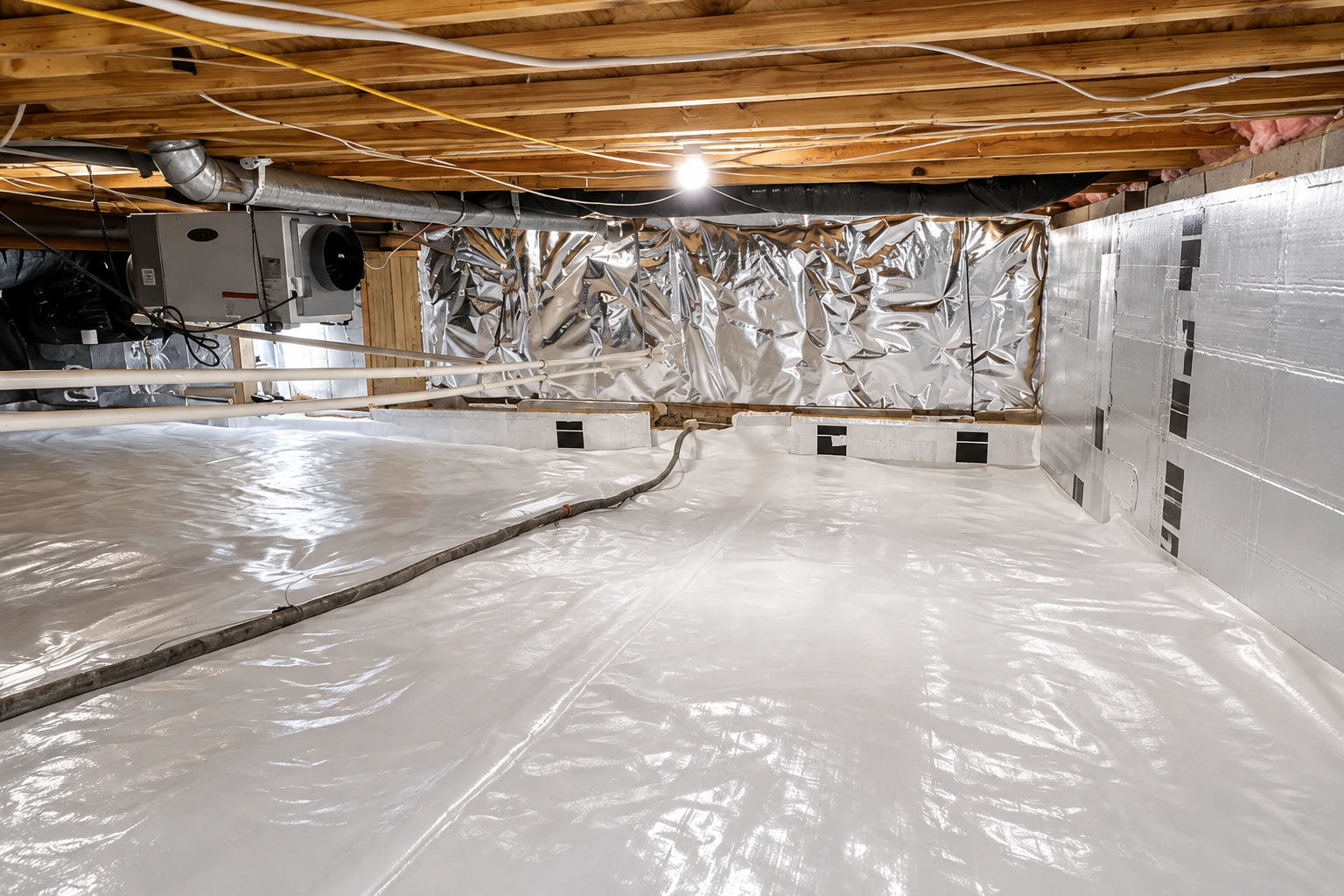
If the dirt under your house stays wet after a winter storm, new insulation down there just holds the water. We handle the moisture and lay a vapor barrier before we insulate.
I'd rather seal the gaps, fix the wet spot and check what burns fuel in the house than sell you a thicker blanket over the same problems. That order is most of the job.
The city requires every business operating in Turlock to hold a city business license. It's a fair thing to ask any contractor about before they start work on your house.
Foam fits the spots where air leaks and heat loss meet, like the edge of a raised floor or the room over the garage. It costs more than loose fill, so I only recommend it where it earns that.
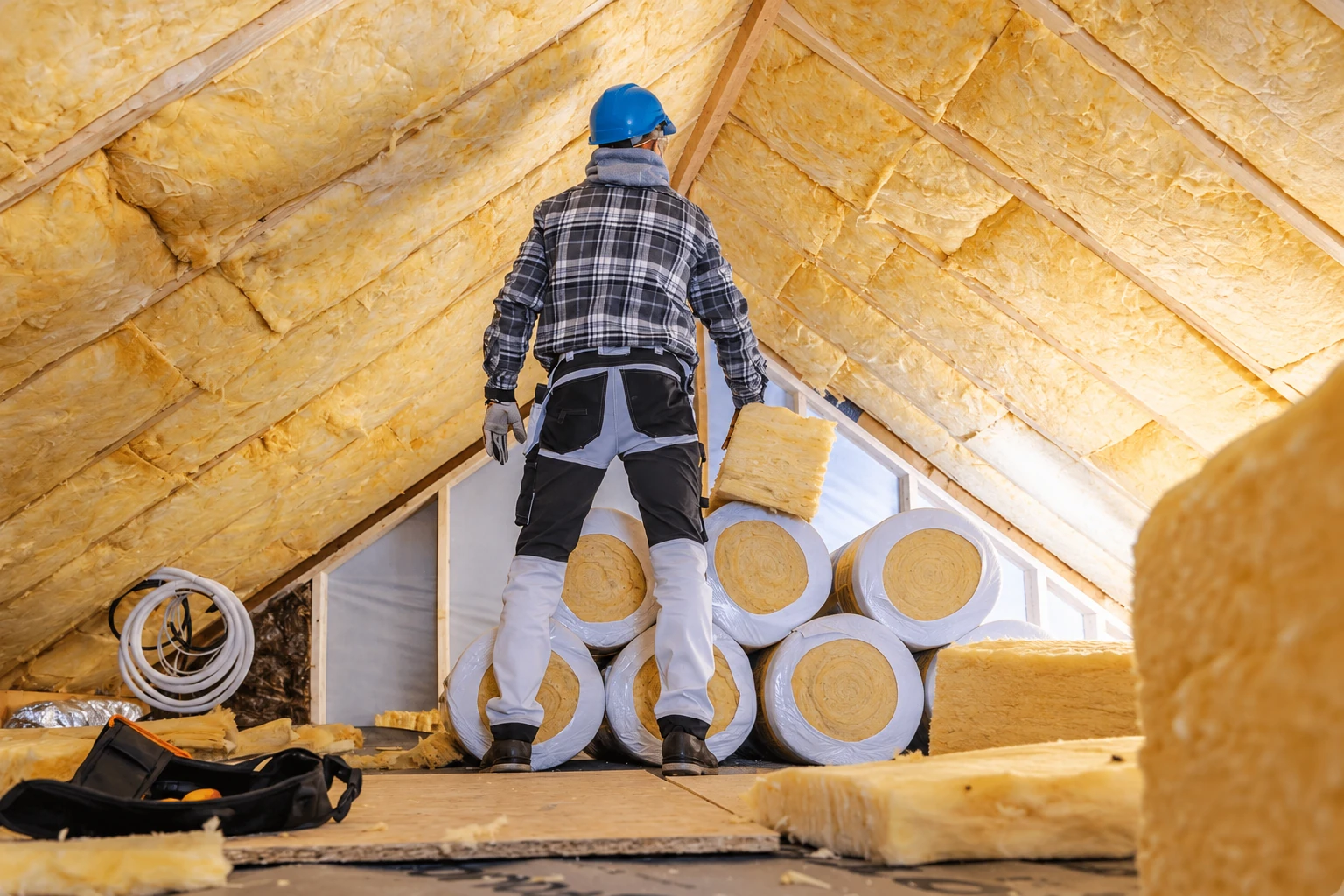
Older attics around town often have a few packed-down inches left, deep in the middle and thin at the edges. We seal first, then bring the whole attic floor up evenly, edges included, so the upstairs stops baking.
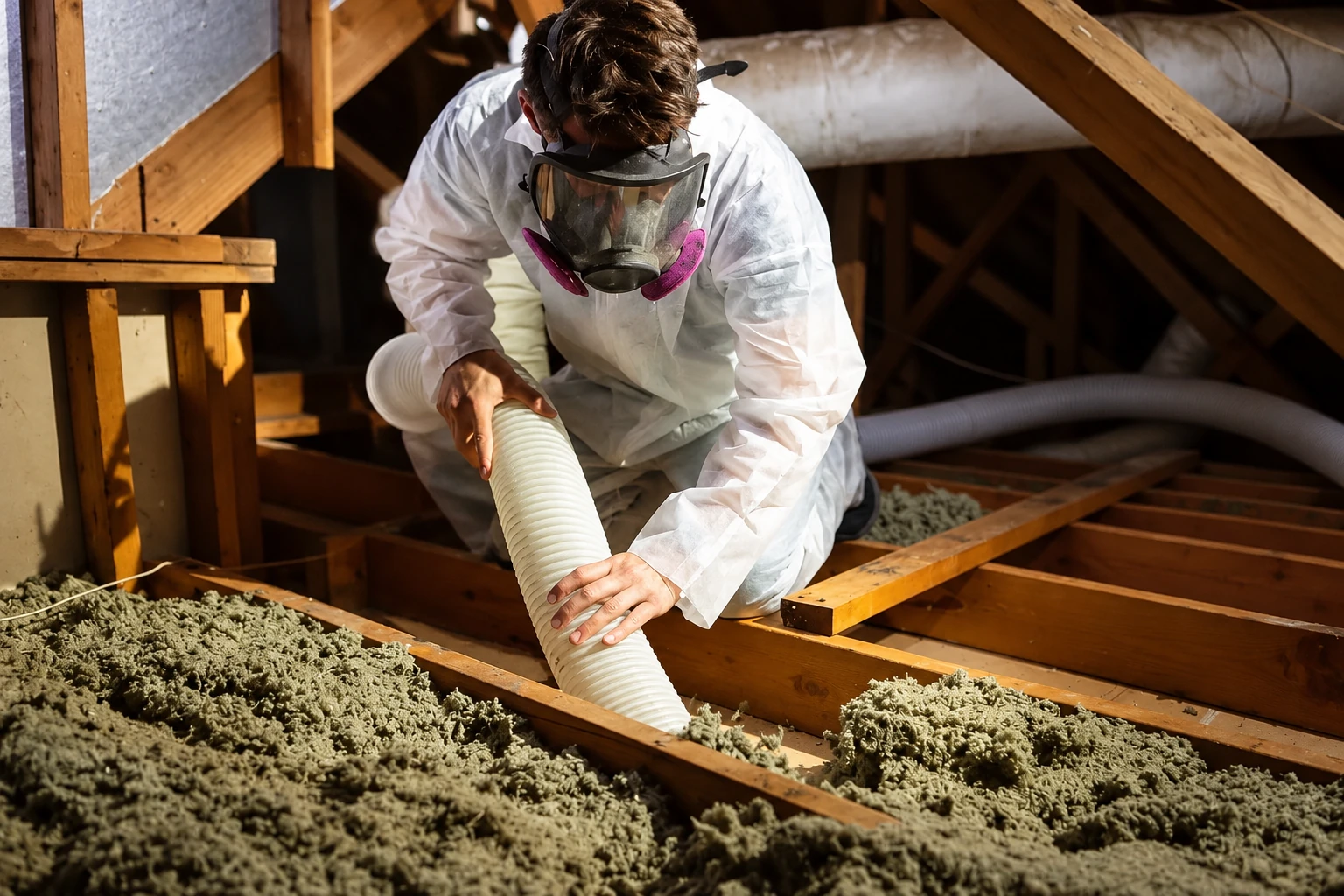
Loose fill blown through a hose covers an attic floor quickly and settles around wiring and framing. Before we start, we put chutes in at the eave vents so the new material can't bury them and choke the attic.
When the whole house feels off, drafty in winter and hot all summer, I go through the attic, walls and crawl space and tell you which one to fix first and which can wait.
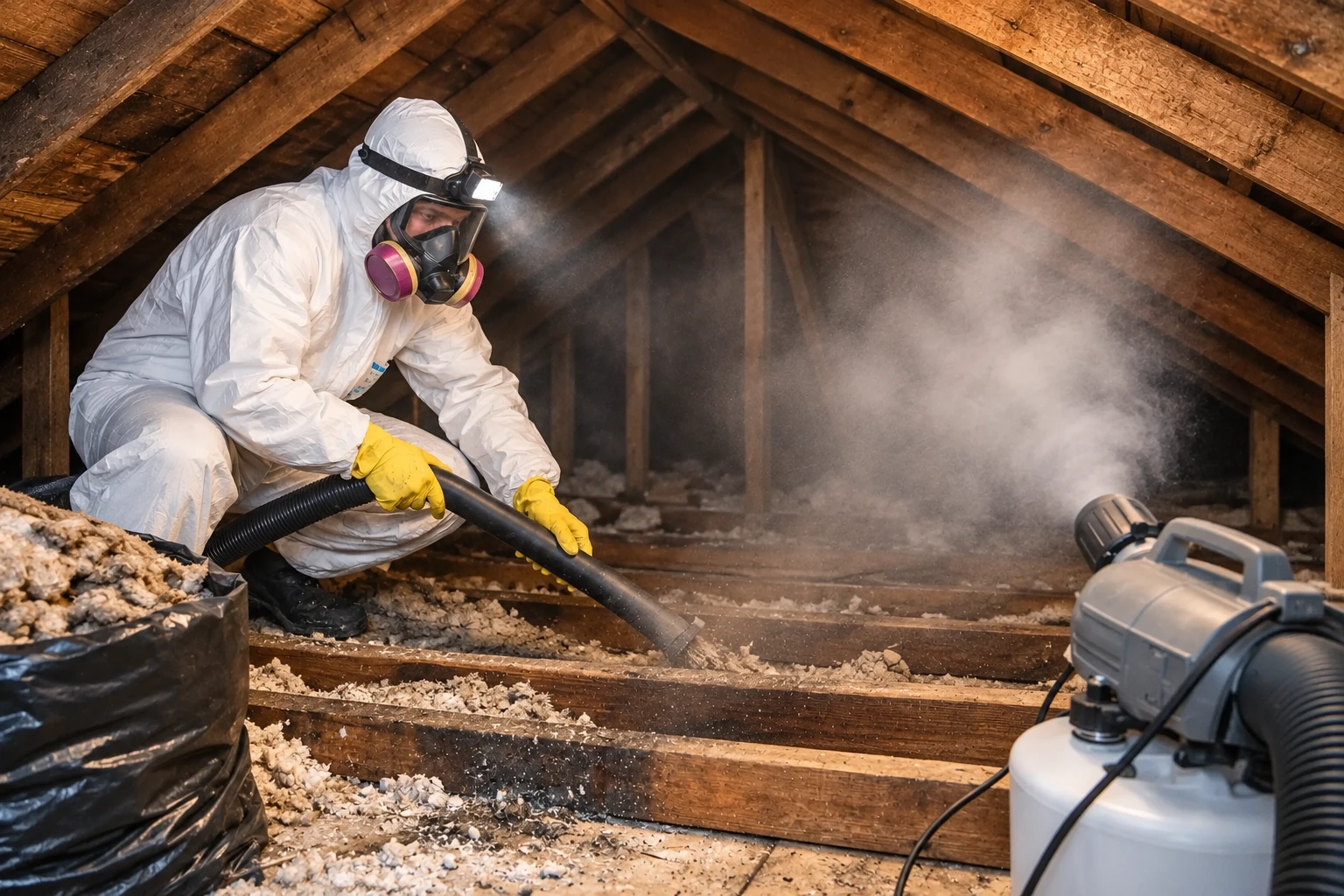
Insulation that got soaked or filled with rodent droppings has to come out, because covering it keeps the smell and the problem. We bag it, vacuum the space clean and make sure the leak or entry hole is dealt with first.
Cold floors in a raised-floor house usually trace back to bare or sagging insulation underneath. We check the dirt for moisture first, then fit insulation between the floor framing and hold it snug to the floor above.
Outside walls in older houses are sometimes empty or only half full. We can usually fill them through small holes and patch afterward, so you aren't opening up whole walls to get warmer rooms.
Drafty rooms and a power bill that won't come down often trace to gaps in walls, floors and around fixtures. We find and close them, then decide with you whether you even need more insulation.
Basements are rare in the valley, but when a house has one, we deal with any dampness first and then insulate the walls, so the new material isn't sitting against wet concrete.
Closed-cell foam is the dense kind that also blocks moisture, which makes it the pick for damp spots like crawl space walls. It's the priciest option, so we use it where nothing cheaper does the job.
Open-cell foam is softer and lighter, and it seals air and quiets noise well inside walls and along rooflines. It isn't meant for wet areas, so we keep it to the dry parts of the house.
Shops, offices and rental buildings get the same look-first approach as a house. We work out what the building actually needs, schedule around your hours and keep the mess out of your customers' way.
A heavy plastic sheet laid over the dirt under the house keeps ground moisture from climbing into the framing and insulation. We seal the seams and run it a little way up the walls so it stays put.
Where moisture moves through a wall, floor or ceiling, a vapor barrier on the right side keeps it out of the insulation. The right side depends on the spot, and backward traps water, so I check first.
Before any insulation goes up, we seal the attic floor around can lights, pipes, wiring holes and the hatch, so the new insulation isn't fighting a draft coming up from the rooms below.
Adding insulation to a lived-in house means working around finished rooms and old wiring. We look for worn or damaged wiring before we start, because that needs an electrician before we bury it.
Send the form and we'll get back to you within one business day to set a time. I come out, look at the attic or crawl space myself and write the estimate, free and with no obligation.
The person who writes your estimate has been up in your attic, which beats every meeting from my old office job. Our installers do the work, and I go over it with you at the end.
Hot upstairs rooms, cold floors, a power bill that climbs every summer. Put it in the form, along with the age of the house if you know it, so I show up ready.
We're licensed and insured, and the work is satisfaction guaranteed. If I think the insulation you're asking about isn't worth the money, I'll say so before you spend it.
These are the questions Turlock homeowners ask me most about permits, money up front, foam versus loose fill and leaving the house.
It may, and the city's building office is the one to ask before work starts. The city's permit list names remodels, additions, re-roofs, window and water heater replacements and HVAC change outs, and the city says work not on that list may still need a permit. I'll raise it at the estimate so it's settled before we book the install.
The property owner is responsible for it, though a licensed contractor or someone you authorize can submit and sign the application for you. The permit has to be issued before any work begins. When a job needs one, we pull it with the city and set up the inspection before the work gets covered.
No more than $1,000 or 10 percent of the total contract price, whichever is less. That's the Contractors State License Board's cap on home improvement down payments, and the board says it applies to all home improvement projects. If a contractor wants more than that before work starts, keep looking.
Usually not, unless your ductwork runs through the attic. Foam costs more and seals air while it insulates, but sealing the gaps and topping up loose fill gets most attics where they need to be for less. When the ducts live up there, foam on the roofline keeps them inside the comfortable part of the house, and that changes the math.
Yes, for spray foam you, the kids and the pets stay out until the foam maker's re-entry time, the wait before it's safe to come back in, has passed. I'll tell you that time before we book the day. Blown-in insulation and air sealing in the attic usually let you stay home.
We work across Stanislaus County and into San Joaquin and Merced counties. These cities have their own page here, and if yours isn't listed, call and ask whether we come out your way.
Call (209) 222-5441 any day from 7 AM to 11 PM or use the form, and I'll come see what your attic's been up to.