

Spray foam insulation
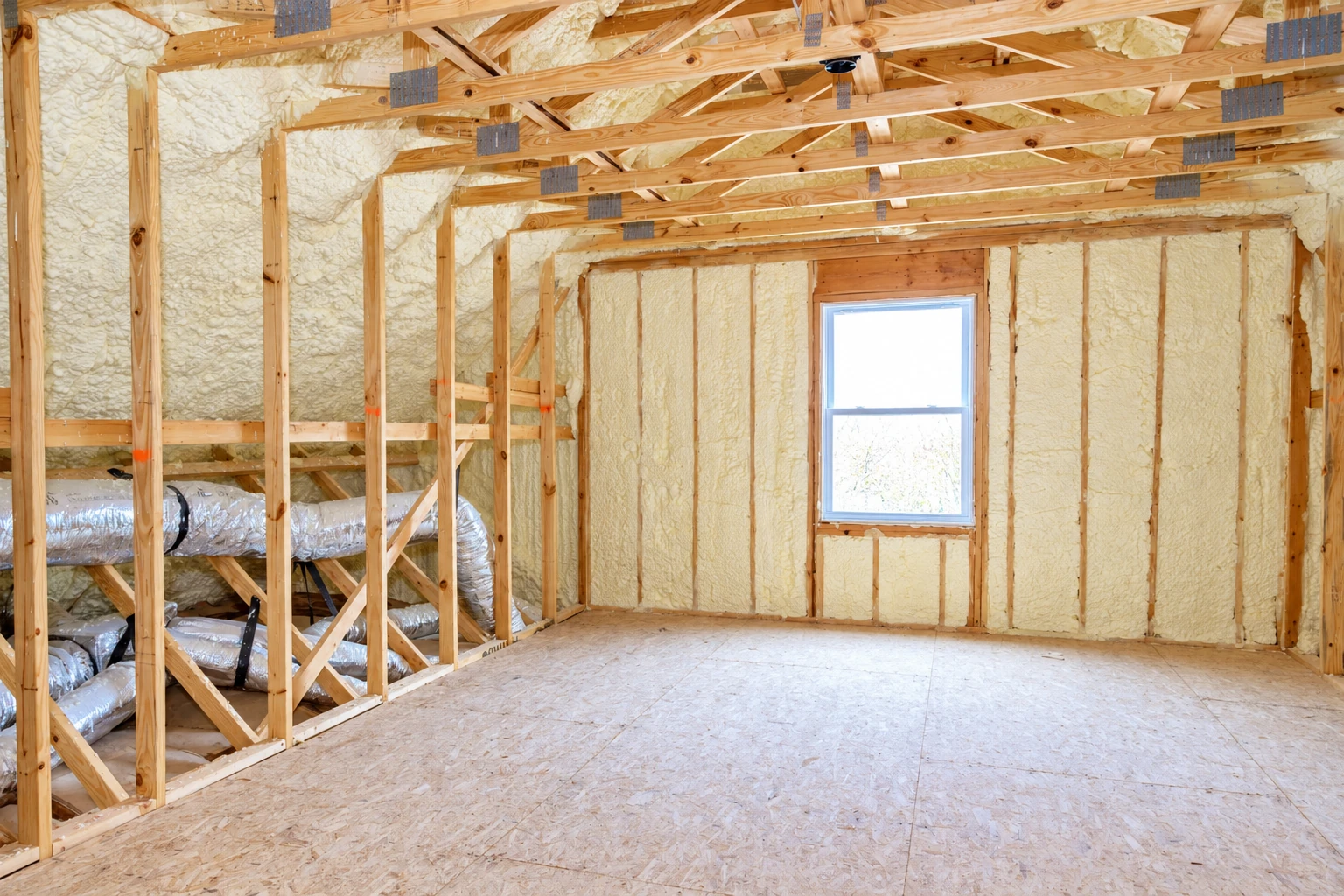
Spray foam seals air and insulates in one pass, and it costs more than loose fill. It earns that price when your ductwork runs through the attic. For a plain attic, sealing and topping up usually wins.
TempGuard Modesto Spray Foam Insulation is an insulation contractor working in West Modesto, CA. We air seal and insulate attics, walls and crawl spaces, and we clear out old insulation that's past saving.
A lot of the West Modesto houses we get into are older, and the attic usually tells the story. The fill is thin and packed down, there are gaps around the light fixtures and the hatch, and now and then rodents have moved in. I come out and climb up there myself before anyone sells you anything, because what's up there decides what comes first. It's hotter than my old office, but nobody calls a meeting.
The price moves with how many inches are already up there, whether the old material has to come out, how much sealing the house needs and whether foam or loose fill fits the job. The schedule turns mostly on removal and on whether a permit and inspection are part of it. You get your own number from the estimate I write after I've looked.
West Modesto is in Stanislaus County, and depending on your address, a permit comes from the county or from the City of Modesto. When a job needs one, we pull it with whichever office has your address and set up the inspection before the work gets covered. We do the same work in Modesto, Ceres and Keyes.
If the fill up there is soaked or full of droppings, new material on top just buries the problem. We pull it out and clean up before anything new goes in.
We start with air sealing, which means closing the gaps around pipes, light fixtures and the hatch, so the new insulation isn't fighting a draft all day.
When the county issues the permit, its inspection times are estimates, so plan on a two-hour window from the listed time. We book it and tell you when to expect them.
Spray foam seals air and insulates in one pass, and it costs more than loose fill. It earns that price when your ductwork runs through the attic. For a plain attic, sealing and topping up usually wins.
Most attics we open here have a few inches of tired fill. We seal the gaps, keep the eave vents clear so the attic can breathe, and lay it deep out to the edges, not just in the middle.
Blown-in is loose fill blown through a hose, and it's usually the best value for topping up an attic. We measure what's already there first, so you pay for what's missing and nothing more.
If the whole house runs drafty or the power bill keeps climbing, I look at the attic, walls and floors together. Then I tell you which one is worth doing first, and which can wait.
When old insulation is wet, smells or is full of droppings, it comes out before anything new goes in. We bag it, vacuum the attic and check the old wiring before we bury it again.
Cold floors usually trace back to an open crawl space under the house. We insulate between the floor joists and seal around the pipes, so the rooms above stop pulling cold up through your feet.
Walls in older houses are often empty or close to it. We can fill them through small holes that get patched afterward, which helps the rooms that never feel right no matter where the thermostat sits.
We find and close the leaks around plumbing, wiring, the hatch and the light fixtures throughout the house. It's a small part of the bill and usually the part you feel the most.
We don't find many basements on this side of town, but when we do, we insulate the walls and the rim joist. Any damp spot gets dealt with before it gets covered up.
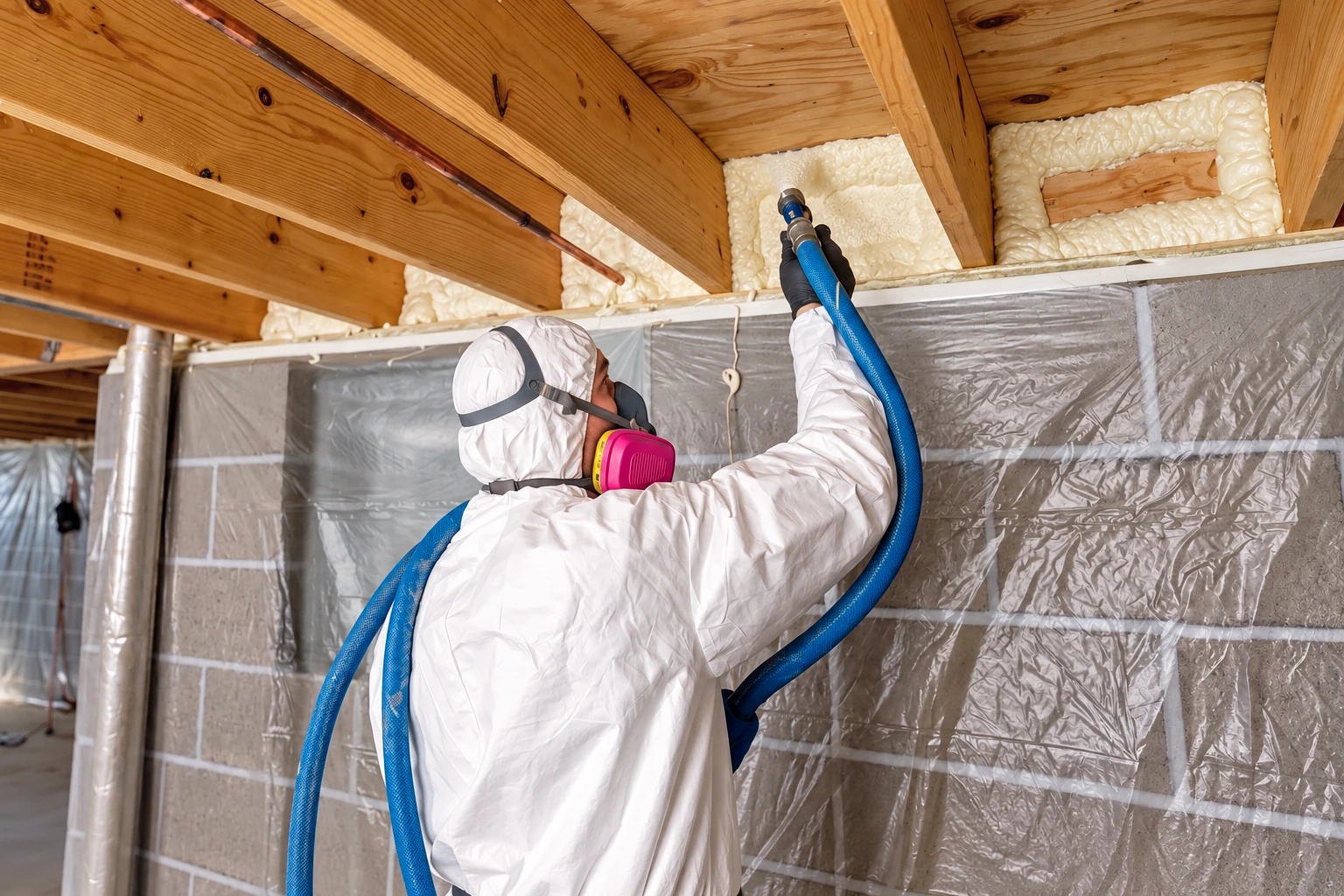
Closed-cell foam is dense foam that blocks moisture. We use it where water is a real concern, like crawl space walls and rim joists, and skip it where it would just be expensive overkill.
Open-cell foam is softer and lighter, good for odd cavities and the room over the garage. It costs less than closed-cell but doesn't stop moisture, so where it goes matters.
Landlords and business owners call us for rentals, shops and offices. I walk the building first and tell you what's worth doing before you spend money on it, even if the answer is not much.
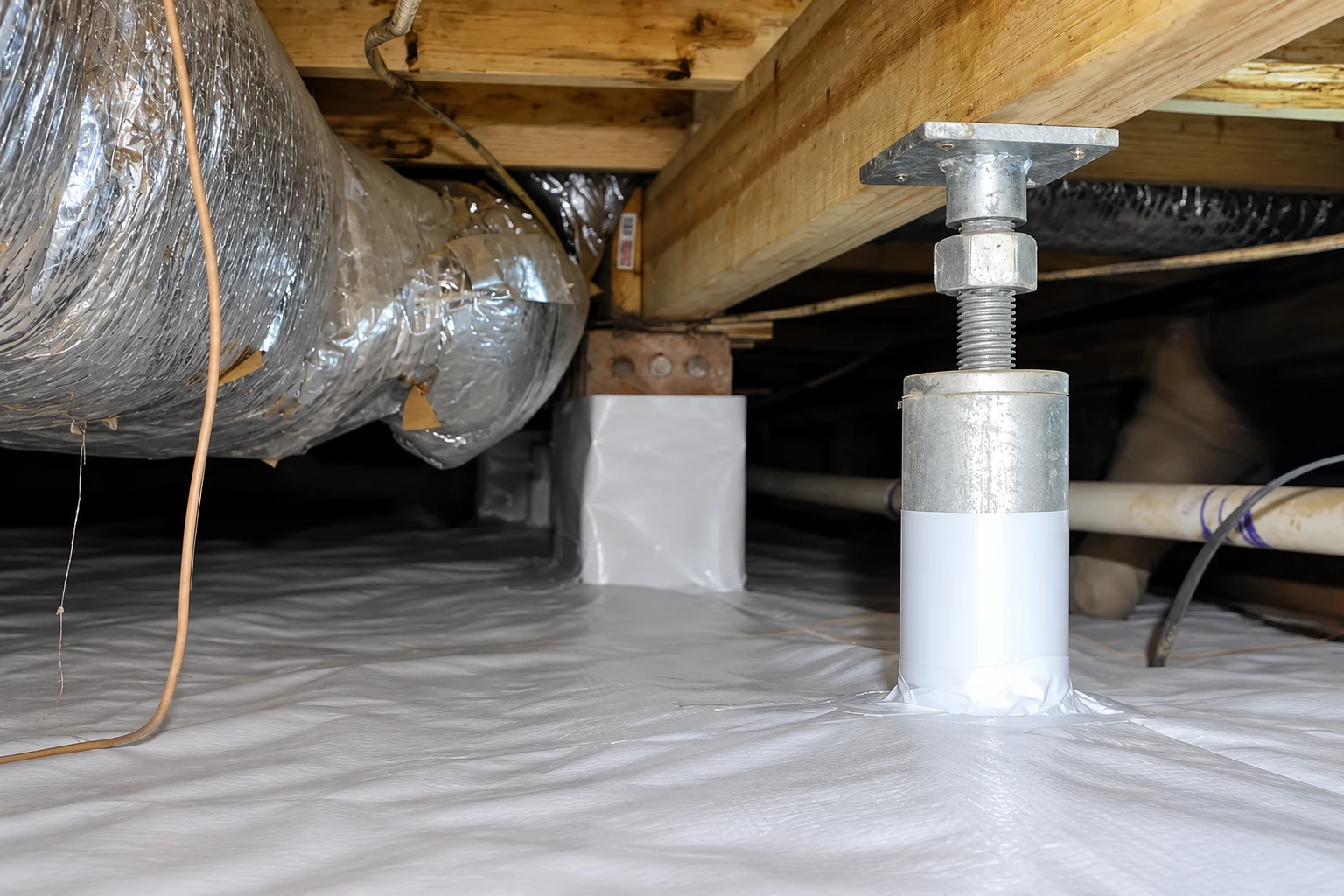
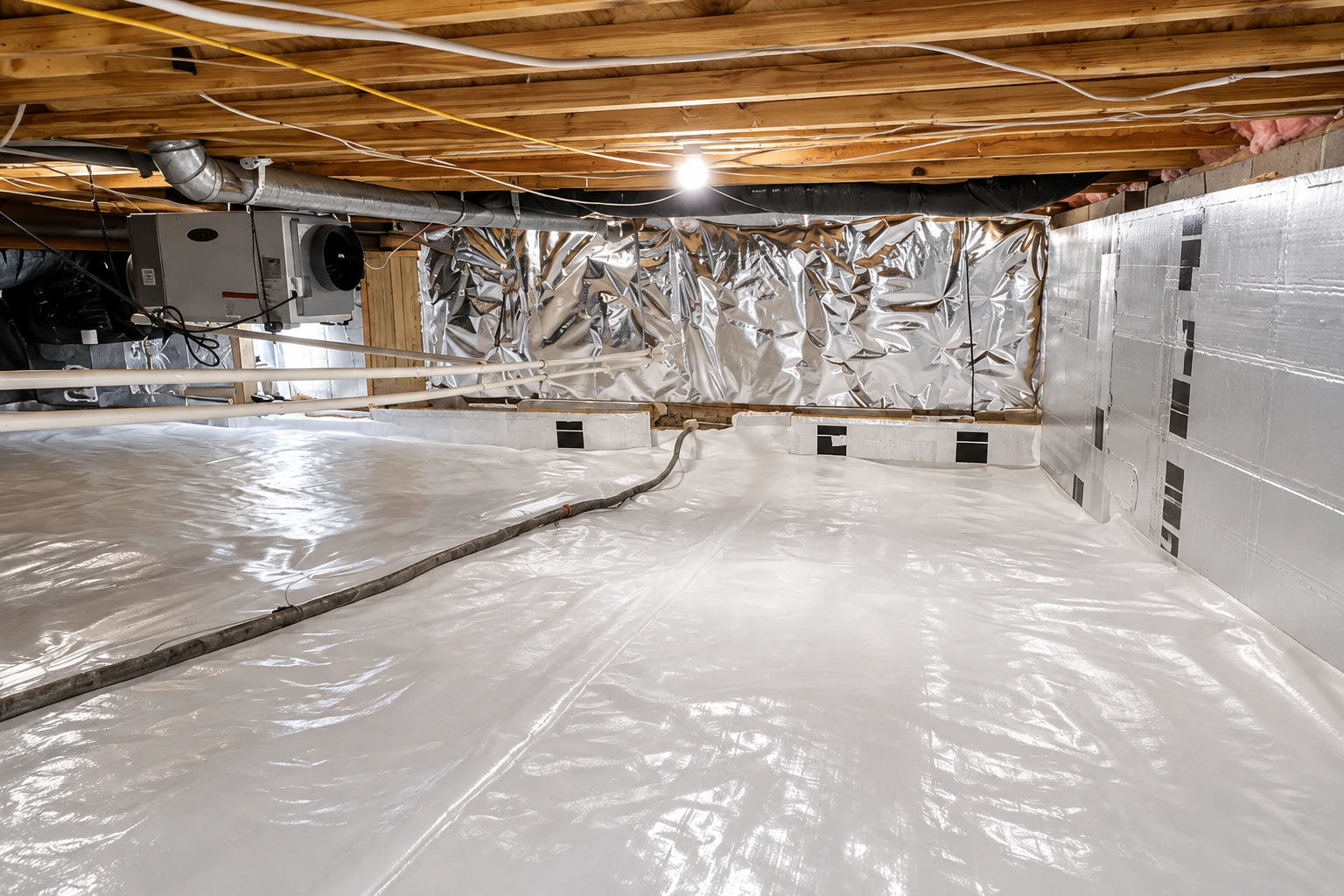
A crawl space vapor barrier is heavy plastic laid over the dirt to keep ground moisture from rising into the house. We overlap and seal the seams so it stays put instead of bunching in a corner.
We install vapor barriers where moisture would otherwise end up inside a wall, ceiling or floor. Put on the wrong side, a barrier traps water instead of stopping it, so we check before we hang one.
Before any insulation goes up, we seal the attic floor around can lights, pipes, wiring and the hatch. Skipping that step is a common reason a freshly insulated attic still feels drafty.
Retrofit means adding insulation to a finished house without tearing it apart. We check what burns fuel in the house before we make it tighter, then work through the attic, crawl space and small wall openings.
Send the form and we get back to you within one business day to set a time. I come out, look at the job myself and write the estimate. No pressure, no obligation.
Your address tells us which office handles a permit if the job needs one, county or city, so we can sort that out before anything gets scheduled.
I check how many inches are already up there, whether the old material is worth keeping, and where the gaps and vents are. Then I tell you what comes first.
Our installers do the job, and I go over it with you at the end so you see what's up there before we leave. Licensed and insured, and satisfaction guaranteed.
These are the questions West Modesto homeowners ask most about permits, licenses, flood zones and what the day of the job looks like.
Either Stanislaus County or the City of Modesto, depending on whether your address is unincorporated county land or inside the city. County parcels go through the county's Building Permits division, and city addresses go through the City of Modesto, which says most projects need building plans. When your job needs a permit, we pull it and book the inspection.
A contractor needs a state license for any job that requires a building permit, uses employee labor, or costs $1,000 or more in labor and materials. That's the rule from California's Contractors State License Board, and a bigger job can't be split into smaller pieces to slip under it. We're licensed and insured.
You can ask the county Building Division for a flood zone determination any time, or look it up on the FEMA Flood Map Service Center. On county parcels in a mapped flood zone, a permit is needed before work starts. FEMA updated the county's flood maps in 2020, and the county says that may change building or insurance requirements.
With blown-in fill most families stay home, but spray foam means everyone, kids and pets included, is out until the re-entry time, when it's safe to come back. How long the crew stays turns on whether old material comes out first and how much sealing the house needs. I go over both with you at the estimate.
These are the cities with their own page on this site. We work in others across Stanislaus, San Joaquin and Merced counties too, so call and ask about your address.
Call (209) 222-5441 or use the form, any day from 7 AM to 11 PM, and tell us which rooms won't stay comfortable.