
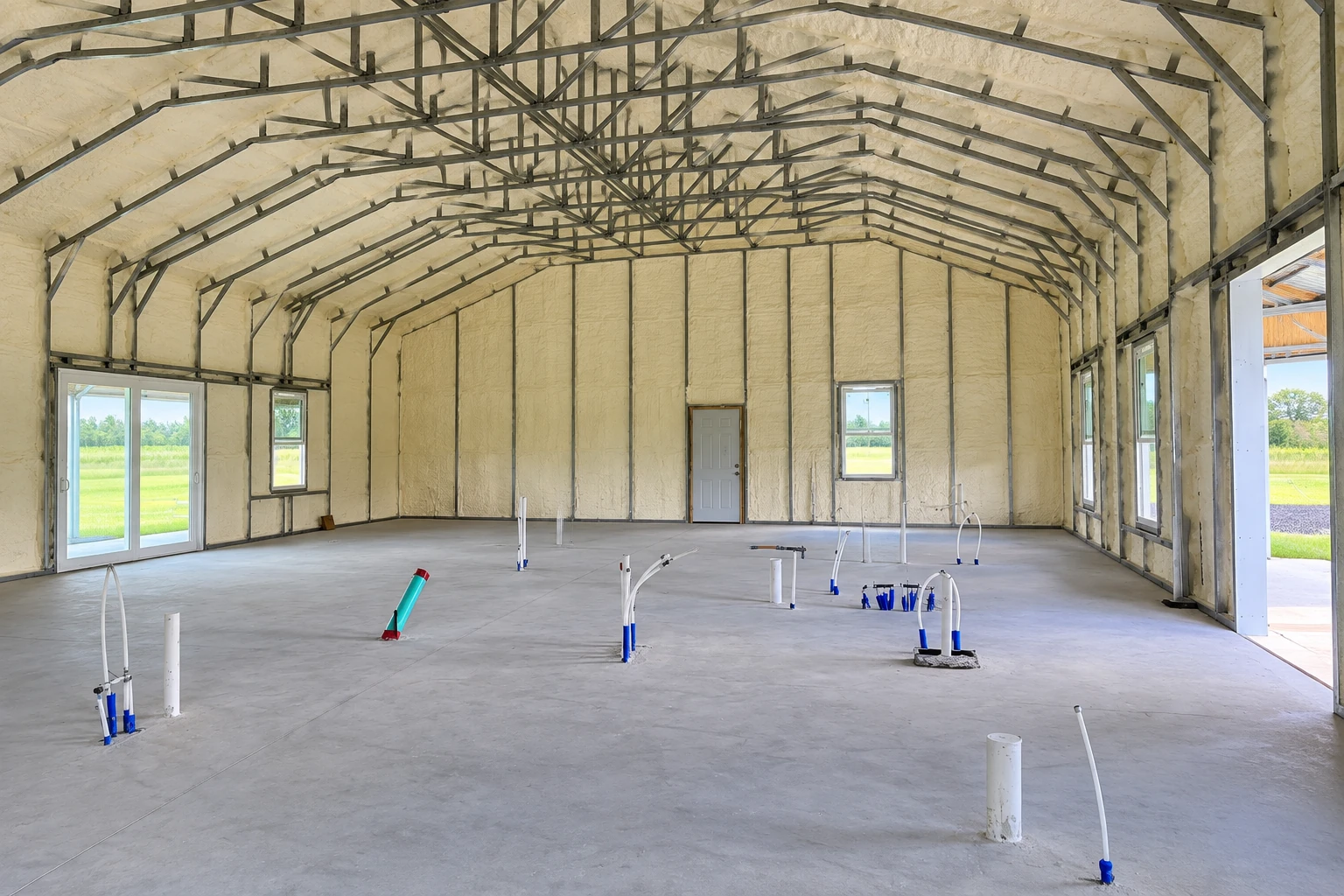
Spray foam insulation
Foam costs more than loose fill, but it seals air while it insulates. We usually point people to it when the ductwork runs through the attic, and to the cheaper option when it doesn't.
TempGuard Modesto Spray Foam Insulation is an insulation contractor working in Riverbank, CA. We seal the gaps, insulate attics, walls and crawl spaces, and clear out old insulation that's gone bad in houses that won't stay comfortable.
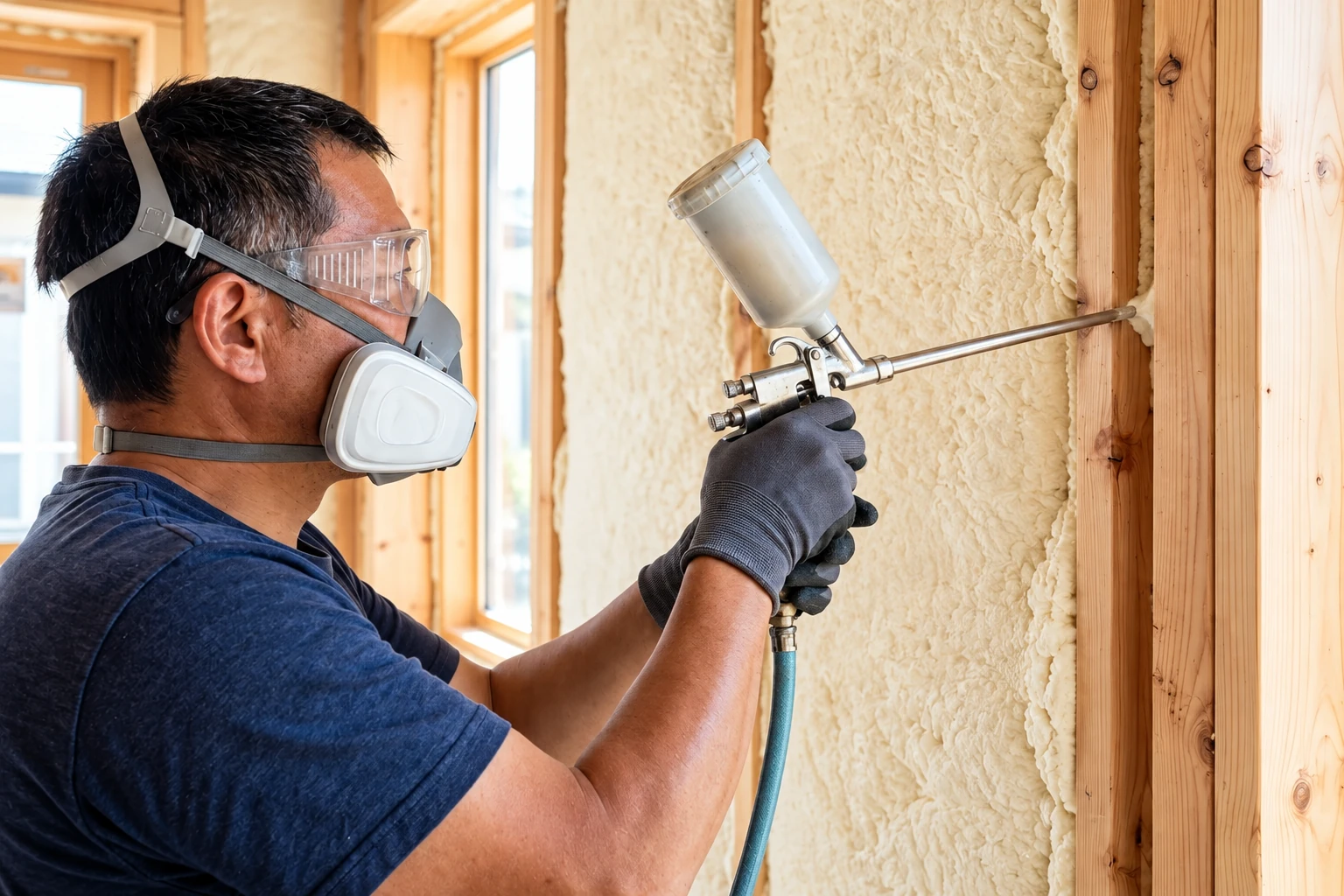
We're an insulation contractor in Modesto, CA, and Riverbank is a short drive up the road. The calls from here sound familiar: a hot bedroom upstairs, a cold room over the garage, a power bill that keeps creeping up. The houses run from older places with a few tired inches in the attic to newer subdivisions insulated to the minimum and not looked at since.
The price depends on how much attic, wall or crawl space there is, what's already up there, whether old material has to come out first, and whether foam makes sense or loose fill will do. The schedule depends on the same things, plus a permit if your job needs one. That's why your number comes from a look at your house, not a guess over the phone.
We work across Stanislaus County and into San Joaquin and Merced counties, including Salida, Waterford and down in Livingston. If you're not sure we come out your way, call and ask.
Riverbank's Building Division issues building permits, and its list doesn't name insulation, so ask them at (209) 863-7128. When a job needs one, we pull it and book the inspection before anything gets covered.
California's Contractors State License Board licenses anyone who builds or alters a building once the job needs a permit, uses employees, or runs $1,000 or more in labor and materials. We're licensed and insured.
Contractors working in Riverbank pay the city a business license fee of $120 a year or $30 a quarter. A contractor pulling a permit there can get the license through the permit instead.
Foam costs more than loose fill, but it seals air while it insulates. We usually point people to it when the ductwork runs through the attic, and to the cheaper option when it doesn't.
Most hot upstairs rooms start in the attic. We measure how many inches are already up there, seal the gaps, then bring the edges up to match the middle instead of piling it all in the center.
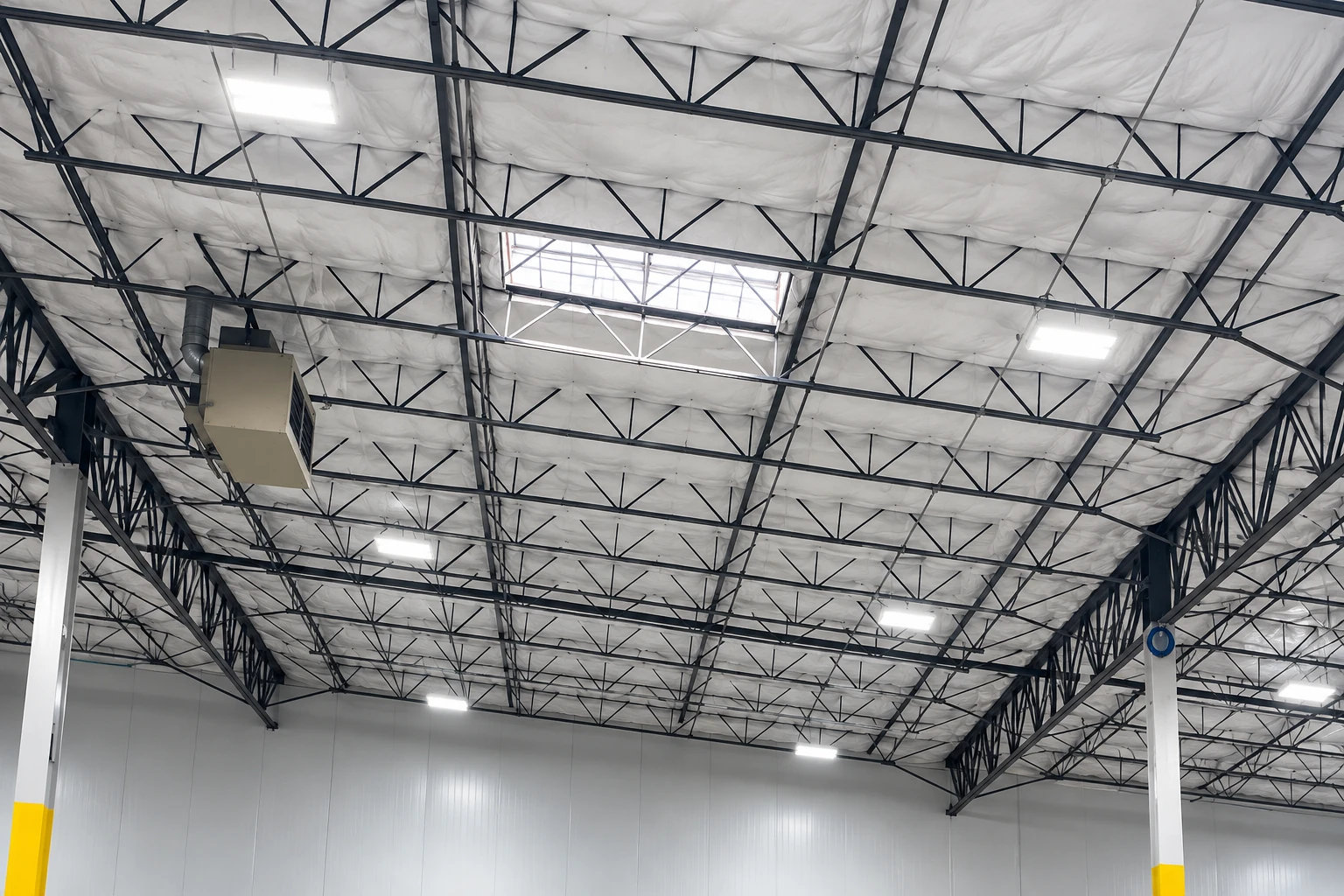
Blown-in is loose fill blown through a hose, and it's usually the right top-up for an attic whose old insulation is still sound. We keep it off the eave vents so the attic can still breathe.
When the whole house runs hot or drafty, I walk the attic, walls and crawl space before suggesting anything. Some houses need one fix, not three, and I'll tell you which one.
We vacuum out old loose fill and pull batts that are wet, flattened or dirty, bag it all and haul it off. That way the attic starts clean before anything new goes in.
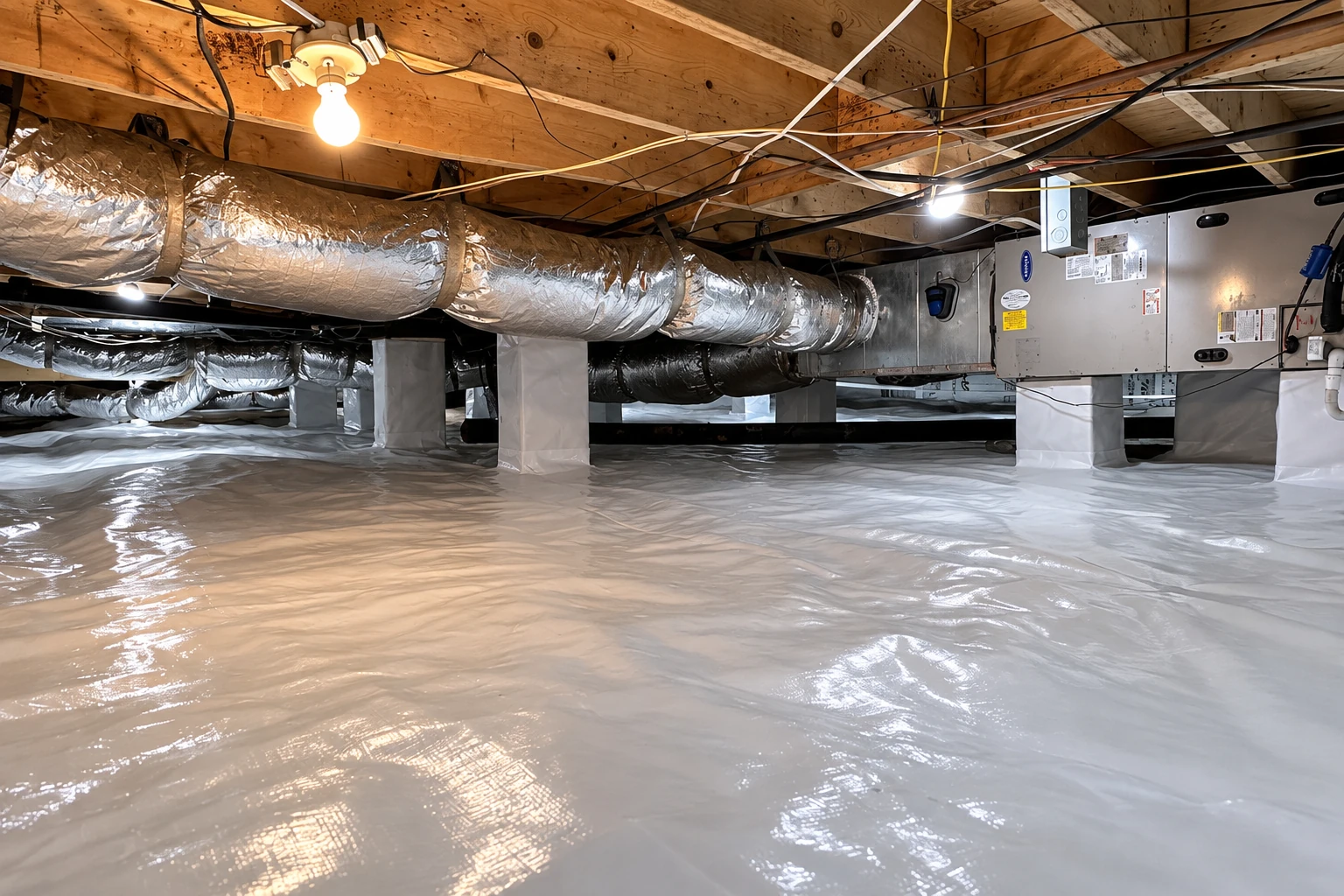
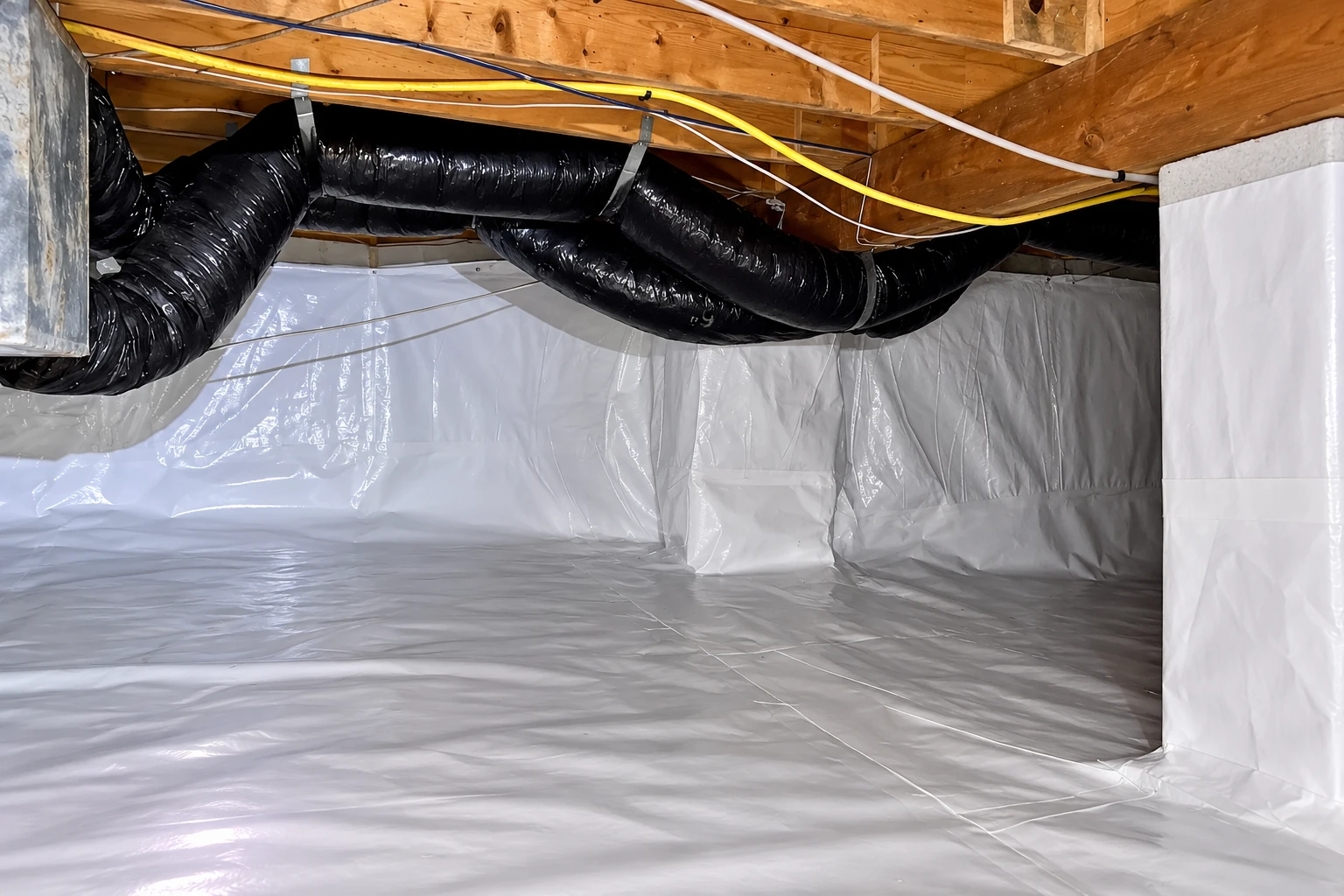
Cold floors over a crawl space usually mean insulation that's missing or sagging off the floor above. We check for moisture down there first, because insulation hung over damp ground doesn't hold up.
Older houses sometimes have thin or empty exterior walls, which is why one room stays drafty no matter what. We check what's inside before we open anything, then fill the walls and patch up after.
Air sealing is closing the gaps around pipes, wires and vents throughout the house before any insulation goes in. Skip it, and the new insulation spends its life fighting a draft.
Where a house has a basement or a below-grade room, we insulate the walls with material that holds up to damp. Concrete walls pick up moisture from the ground, so the wrong material ends up wet.
Closed-cell foam is dense foam that blocks moisture as well as air. It's what we use in crawl spaces and other spots that get damp, and that's part of why it costs more.
Open-cell foam is softer and lighter, and it fills rooflines and odd framing well. It seals air for less than closed-cell, but it's not the pick for anywhere that gets wet.
We insulate shops, offices and rental buildings for business owners and landlords. I look at how the building is used before quoting, since a warehouse and an office don't need the same thing.
A crawl space vapor barrier is plastic sheeting laid over the dirt to keep ground moisture out of the house. We overlap and seal the seams so it can actually do that job.
We put vapor barriers in walls, ceilings and floors where moisture would otherwise end up soaking into the insulation. Which side it goes on depends on the wall, so I check before we install anything.
Before an attic gets more insulation, we seal around the can lights, pipes, wiring holes and the hatch. It's slow work in a hot attic, and it's the part that's easiest to skip.
Retrofit is adding insulation to a house that's already built and lived in. We check the wiring and anything that burns fuel before we make the house tighter, then work around your furniture.
Send the form or call (209) 222-5441, and we'll get back to you within one business day to set a time. I come out, look at the house myself and write the estimate. It's free, with no obligation.
I'd rather tell you a job isn't worth the money than sell you insulation you don't need, so the estimate says what's wrong and what has to come first.
Our installers do the job, and I go over it with you at the end, so you see the sealed gaps and the depth before we pack up.
I learned the trade on an insulation crew in Modesto and started this business in 2013, after an office job with fewer attics and more meetings. Satisfaction guaranteed.
Here's what Riverbank homeowners usually ask before they let us into the attic, answered the way I'd answer in your driveway.
Usually, yes, if the old insulation is dry, clean and still fluffy. If it's been soaked by a roof leak, packed flat or full of rodent droppings, it comes out first, because new material on top just hides the problem. Either way, we seal the gaps and check the wiring before anything new goes up.
For blown-in or batts, you usually don't have to leave, because the work stays in the attic or crawl space. Spray foam is different. You, the kids and the pets stay out for the re-entry time, the wait before it's safe to come back in, and that depends on the foam and the space. I tell you the time at the estimate so you can plan around it.
Permit applications filed in Riverbank on or after January 1, 2026 have to meet the 2025 California Building Standards Code, the state's building rules. The Building Division's code update notice says the new code brings changes that can affect how houses are remodeled. When your job needs a permit, we work to the code in force when we apply.
These are the cities with their own page on our site, not the only ones we work in. If yours isn't listed, call (209) 222-5441 and ask.
Call (209) 222-5441 or send the form with your house's age, since that tells me what's likely up in the attic before I climb in.