
Spray foam insulation
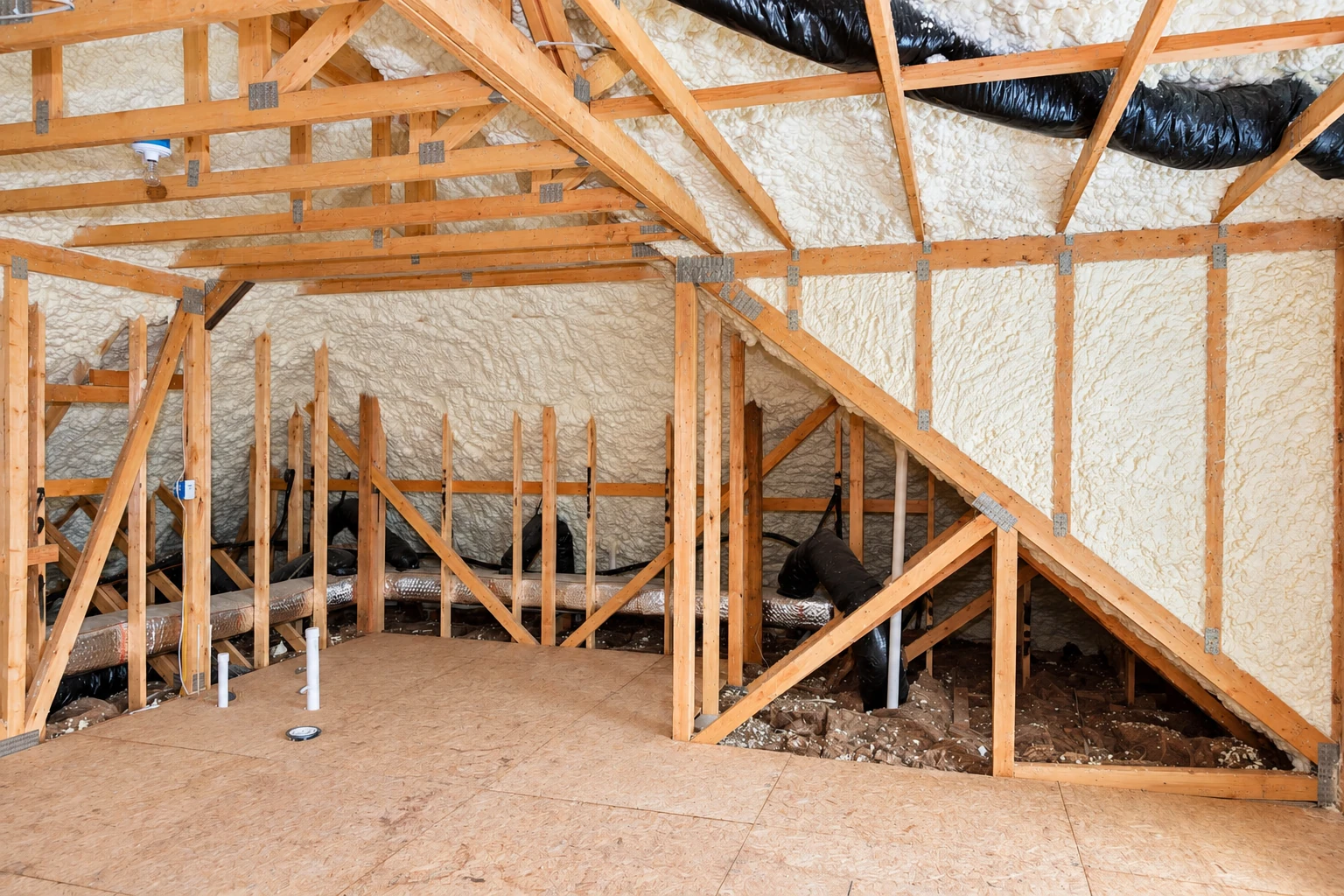
We spray foam on rooflines and garage ceilings where batts keep sagging off the framing. It's the job I suggest when your ductwork runs through the attic, and for not much else.
TempGuard Modesto Spray Foam Insulation is an insulation contractor working in Salida, CA. We seal and insulate attics, the room over the garage, crawl spaces and walls, and pull out old insulation that's past saving.
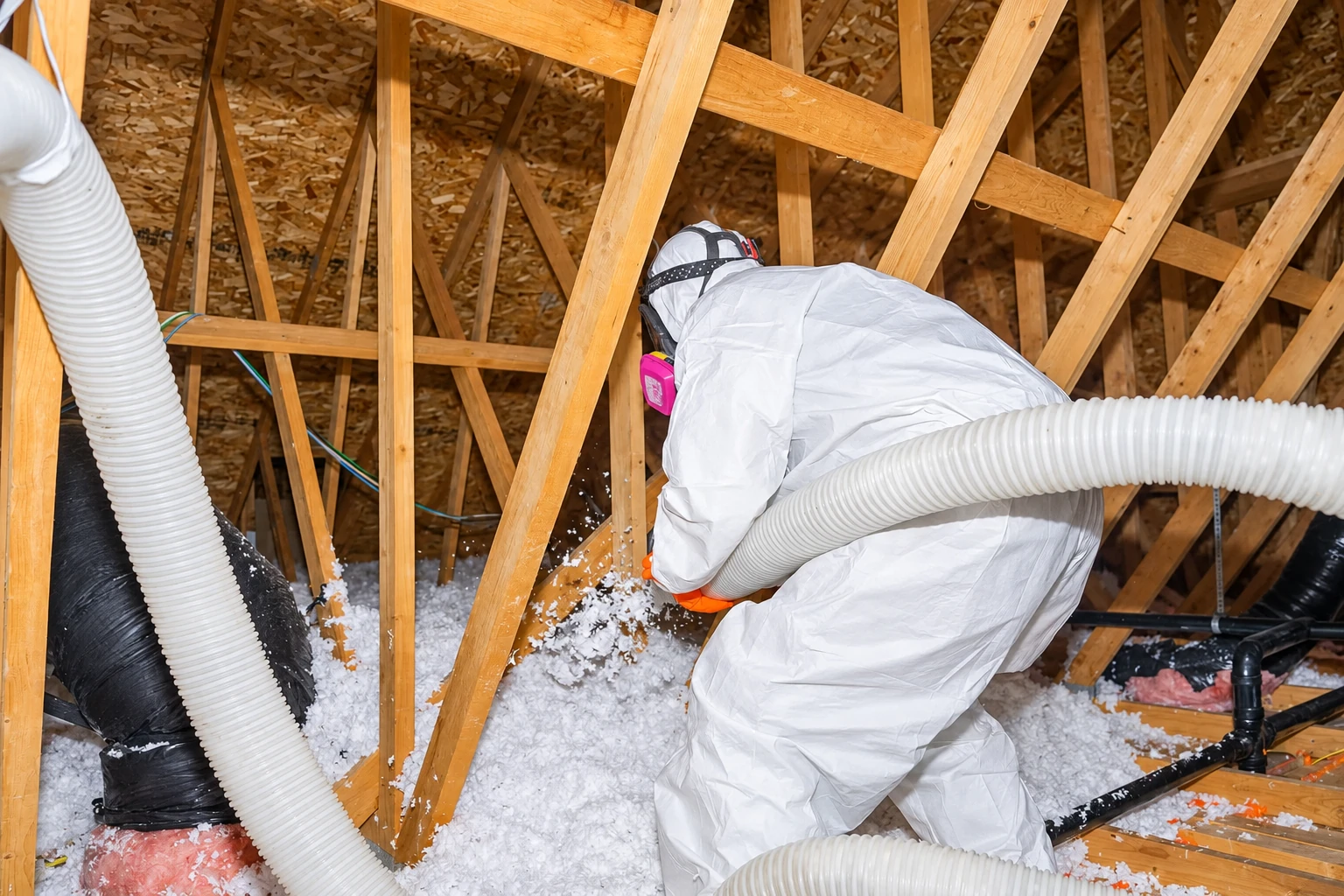
Salida is in Stanislaus County, a short drive north of Modesto, where we're based as an insulation contractor. When a job here needs a permit, we pull it with whichever office has your address and set up the inspection before anything gets covered. We do the same work in Riverbank, Manteca and down in Turlock.
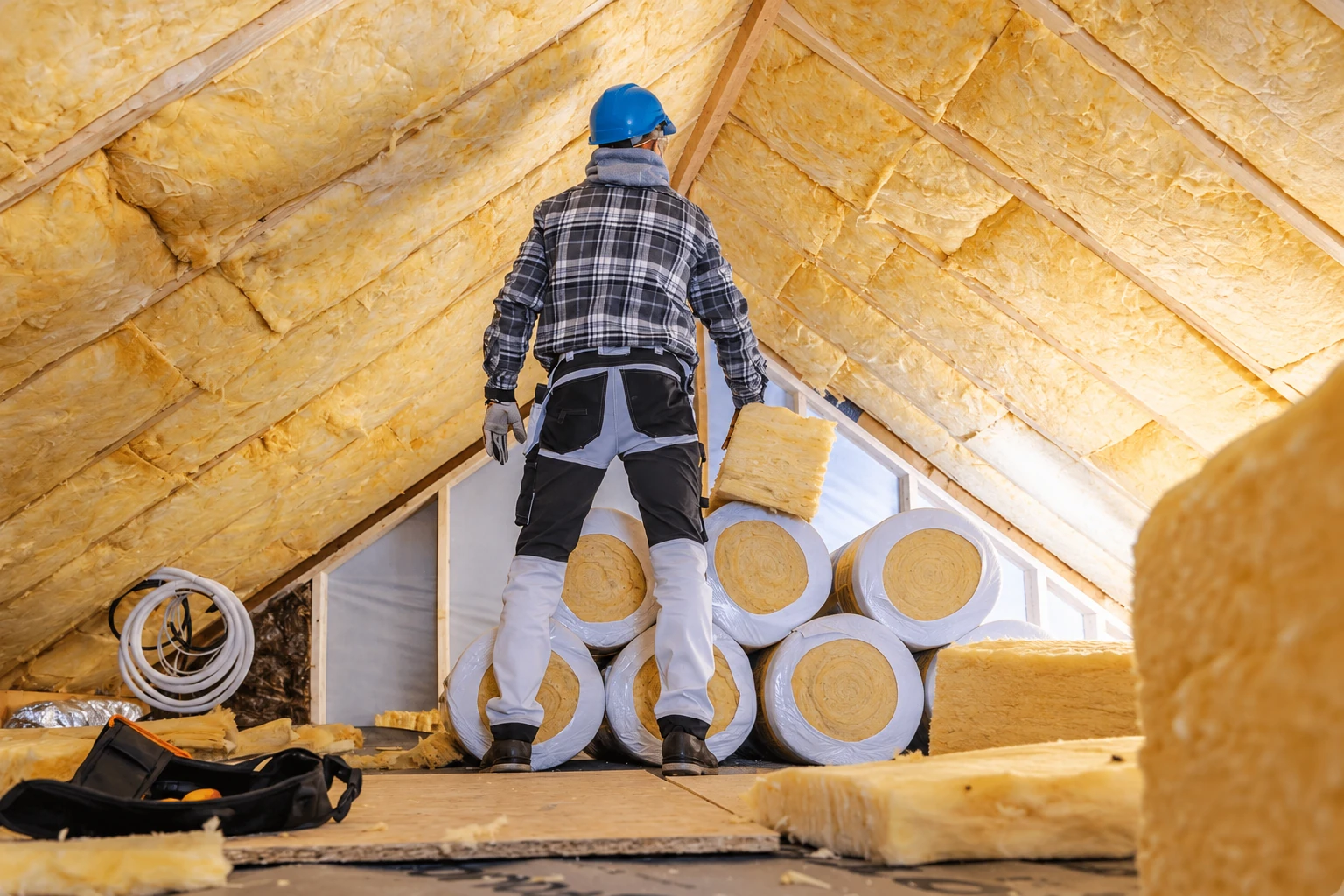
Most Salida calls are about a bedroom upstairs that won't cool down or the room over the garage. Up in the attic we usually find old fill that's deep in the middle and thin at the edges, which is backward, with open gaps around the can lights and the hatch.
The price turns on how much old insulation has to come out, how much sealing the attic needs, foam or loose fill, and how easy the attic is to get into. The schedule turns mostly on removal and on foam, since foam means you're out of the house for part of the job. I put your own figure on the estimate after I've been up there.
If your attic already has enough insulation and the gaps are sealed, I'll say so, because I'd rather lose the sale than sell you insulation you don't need.
We close the gaps around can lights, pipes and the hatch before any insulation goes in, because insulation laid over a draft just spends its life fighting it.
Before we make a house tighter, we look at the furnace, water heater and anything else that burns fuel, so sealing the attic doesn't leave them short of air.
We spray foam on rooflines and garage ceilings where batts keep sagging off the framing. It's the job I suggest when your ductwork runs through the attic, and for not much else.
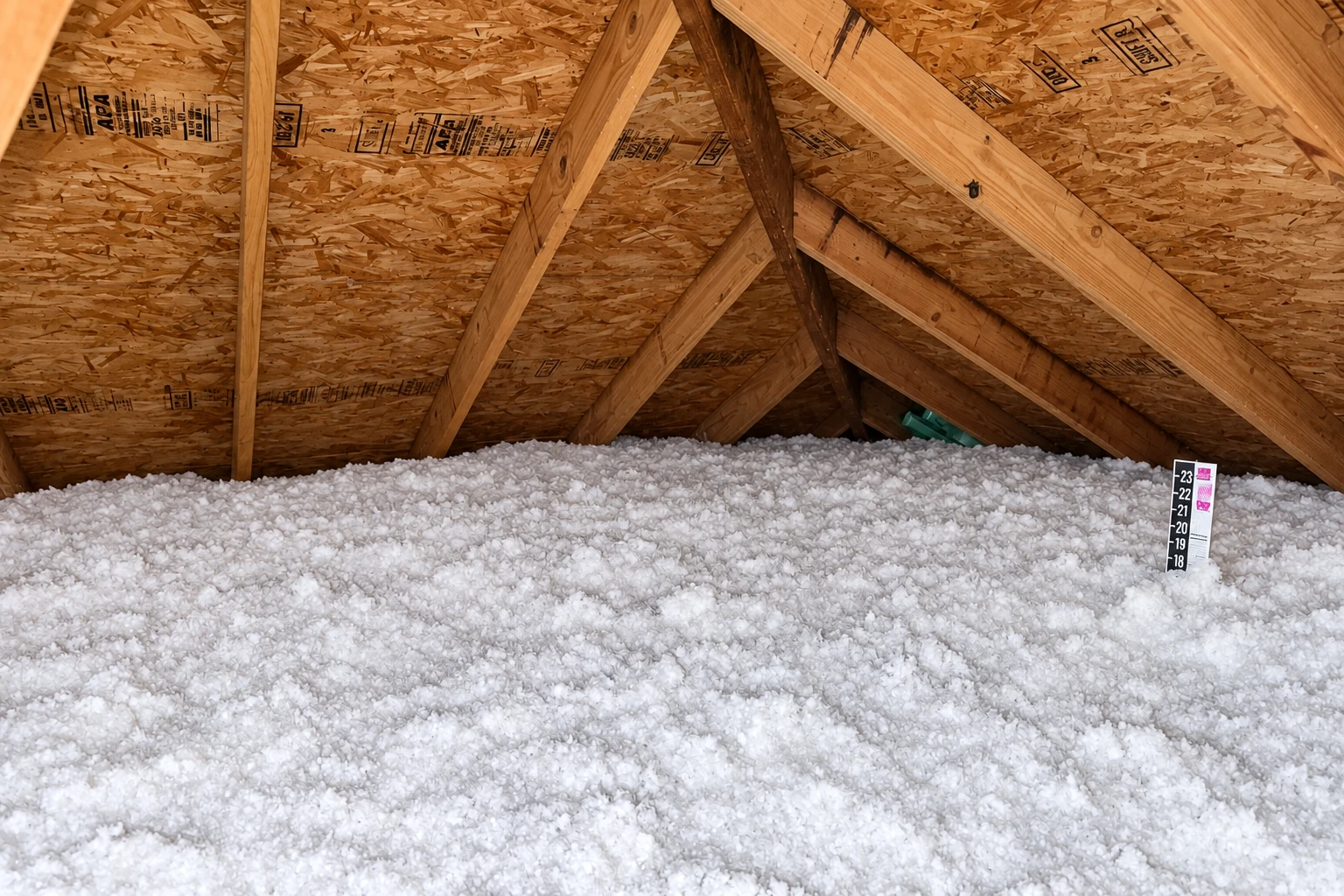
Most Salida attic jobs start with a hot room upstairs. We measure the inches already up there, seal the gaps, then bring the depth up evenly, with the edges as full as the middle.
Blown-in insulation is loose fill blown through a hose, and it's how we top up most attics. We set baffles at the eaves so the vents stay open and the attic keeps breathing.
When the whole house feels drafty, I walk the attic, walls and crawl space first, so we fix the part that's actually losing heat before you spend money on the rest.
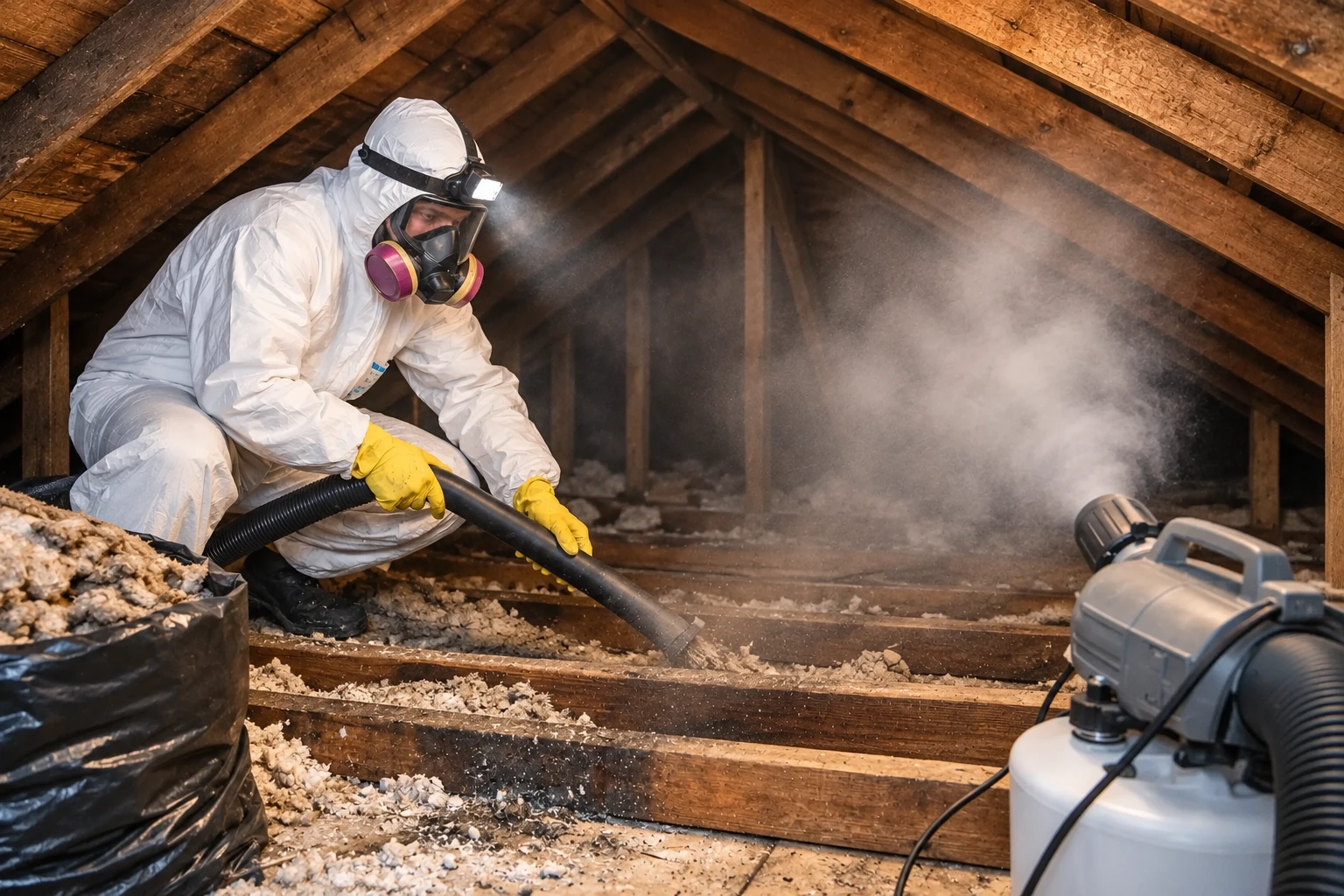
If the old insulation got soaked from a roof leak or is full of droppings, we vacuum it out first, because new material over a bad layer just keeps the problem in your attic.
Cold floors usually trace back to the crawl space. We insulate between the floor joists and seal around the pipes coming up through the floor, once we've checked that the ground underneath stays dry.
In older houses the walls can be close to empty. We fill them through small holes from inside or out, then patch, so the room stops feeling cold every time you sit near the wall.
Air sealing means closing the gaps before insulating, around can lights, pipes, wiring holes and the attic hatch. It's often the best money spent on a drafty house, so it comes first on most of our jobs.
Where a house has a basement or a below-grade room, we insulate the walls and the rim joist so the room stays warmer, and keep moisture from getting trapped behind the insulation.
Closed-cell foam is dense foam that blocks moisture as well as air. We use it on crawl space walls, rim joists and other spots where damp air would soak into softer insulation.
Open-cell foam is softer and lighter, and it seals air for less than closed-cell. It suits attic rooflines and interior walls where moisture isn't the worry and sound between rooms is.
We insulate shops, offices and rentals too. Landlords usually want the hot unit fixed without a long vacancy, so I plan the work around the tenants and the business hours.
A crawl space vapor barrier is a heavy plastic sheet laid over the dirt so ground moisture stays out of the framing. We tape the seams and run it up the walls.
Beyond the crawl space, we put a vapor barrier where a wall or ceiling needs one and leave it out where it would trap moisture, because one on the wrong side does more harm than none.
Before an attic gets more insulation, we seal around wiring holes, can lights, plumbing vents and the hatch, so cooled air stops leaking out of your rooms and into the attic.
Retrofit means adding insulation to a finished house without tearing it apart. We work through the attic, the crawl space and small holes in the walls, and I'll tell you which spots aren't worth it.
Send the form or call, and we'll get back to you within one business day to set a time. I come out, look at the job myself and write the estimate, free and with no obligation.
I check how many inches are already in the attic and how old the house is, because that decides whether we top up, seal first or pull the old stuff out.
If I find a leak stain or old wiring in the attic, we deal with it before anything covers it, since insulation over a problem just hides the problem.
Our installers do the work, and I walk through it with you at the end. We're licensed and insured, and our promise is short. Satisfaction guaranteed.
These are the questions Salida homeowners ask first about insulation work, from what it costs to how long you're out of the house.
Your price comes from your attic, so I write it on the estimate after I've been up there. The biggest swing is removal, when old insulation is soaked or full of droppings and has to come out first. After that it's foam or loose fill, how many gaps need sealing, and whether the hatch is a tight squeeze over a closet.
With blown-in insulation you usually don't have to leave, though the crew will be in and out all day. Spray foam is different, so you, the kids and the pets stay out until the re-entry time, the wait before it's safe to come back inside, has passed. We go over that with you before we start.
For most attics, sealing the gaps and topping up with blown-in is the better buy. Foam costs more because it seals air and insulates at once, and that's worth paying for when your ductwork lives in the attic. Otherwise I'd put the money into sealing and an even layer of loose fill that's as deep at the edges as the middle.
These cities have their own page on our site, and we also work in others across Stanislaus, San Joaquin and Merced counties. If yours isn't listed, call and ask.
We answer seven days a week, 7 AM to 11 PM, so call (209) 222-5441 or send the form after work.