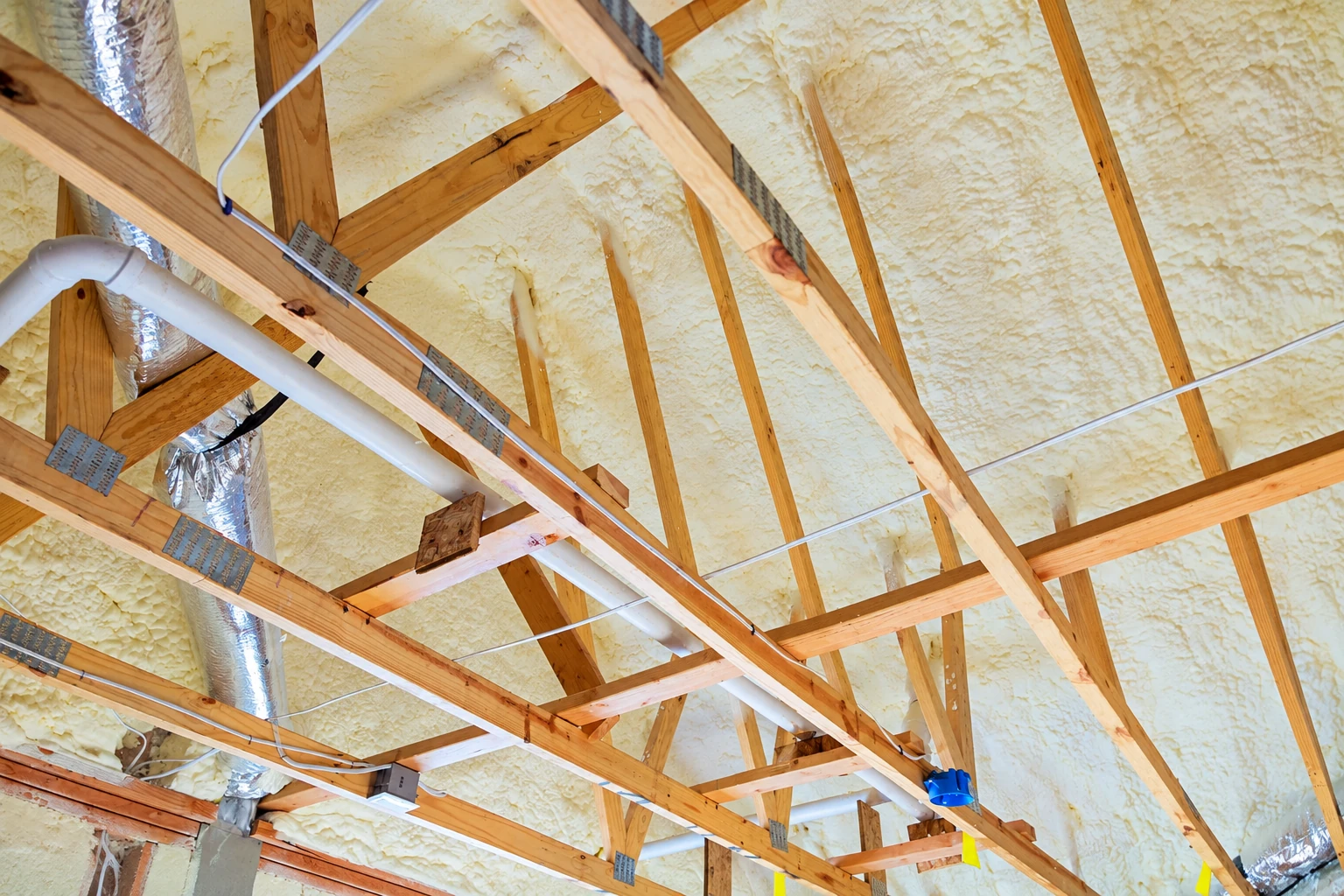
Cold floors in the main rooms
If the floor feels cold through your socks, the layer underneath is usually missing, thin or full of gaps. Sealing and insulating that floor is the direct fix, not a bigger heater.
Cold floors and a power bill that won't come down? We seal the holes under your floor first, then insulate it snug against the subfloor.
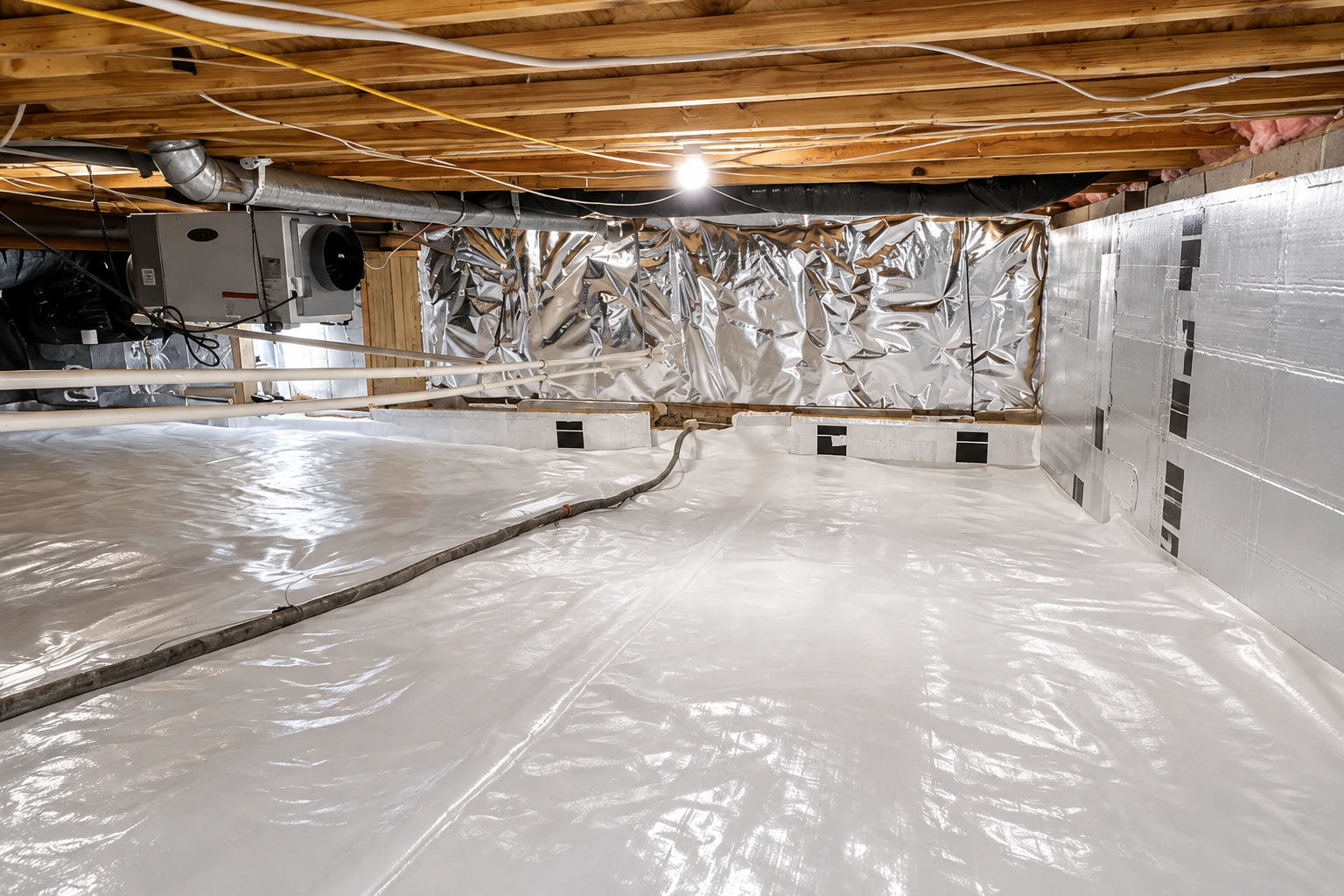
Crawl space insulation in Modesto seals the air leaks in the floor over your vented crawl space and puts insulation tight against its underside, so your floors stop running cold and less of what you pay to heat and cool the house slips out through them.
Most people call because the floors feel cold or the rooms over the crawl space never catch up with the thermostat. The price turns on how big the floor is, how easy the crawl space is to get around in, which material we use, and what has to be fixed or pulled out first, like rotten framing, wet batts or old pipe wrap. Those same repairs set the schedule, along with a permit and inspection when the job needs one, and you'll get your own figure in the estimate after I've been under the house.
We're licensed and insured, and because California has a contractor class just for people who install insulation, it's fair to ask anyone you're comparing which licence they hold. Modesto is home base, and we also work the cities around it in Stanislaus County and over into San Joaquin and Merced counties, so call and ask if you're not sure we come out your way.
I go under the house, check what's down there and write the estimate myself. Our installers do the work, and I go over the finished job with you at the end.
If there's a wet spot, rot or old wiring under the floor, that gets fixed before we cover it, because insulation over a problem just hides it until it costs more.
We've been doing this since 2013, and I'd rather tell you a floor isn't worth insulating than sell you something you don't need. Satisfaction guaranteed.
Guidance for dry climates leaves the crawl space itself outside the insulated part of the house and does the work at the floor, which means sealing that floor thoroughly and getting insulation in full contact with its underside. Before any of that, I check the framing for rot and bug damage, because there's no point insulating a joist that needs replacing. Anything that needs fixing gets fixed first.
Then our crew seals the holes in the subfloor around pipes and wires, since cold air coming up through those gaps would run right past the insulation. It's the same work as our air sealing services elsewhere in the house, just done lying on your back in the dirt. Batts only work when they sit snug against the subfloor, so we hold them up there with wire supports instead of trusting them to stay put. A batt sagging away from the floor is mostly keeping the dirt warm.
Old batts that are wet or full of droppings come out rather than getting covered, because new material over a mess leaves the mess in place. If the floors are fixed and some rooms still feel drafty, the walls are often the next place to look, and wall insulation is a conversation we can have on the same visit.
If the floor feels cold through your socks, the layer underneath is usually missing, thin or full of gaps. Sealing and insulating that floor is the direct fix, not a bigger heater.
Batts that have dropped away from the subfloor do very little. If they're wet or full of droppings, we take them out instead of pushing new material up over them.
Plenty of older houses have nothing under the floor at all. House age also tells me what else to look for down there before anyone starts, like old pipe wrap.
Landlords call us when tenants keep reporting cold rooms. The floor over the crawl space is one of the first places we check, and I'll tell you if it isn't the real problem.
Send the form and we'll get back to you within one business day to set a time. I come out, look under your floor and write the estimate, free and with no obligation.
A rough square footage of the house, or just the part over the crawl space, helps me plan the visit and the material before I ever open the hatch.
House age tells me what I'm likely to find down there, from old pipe wrap to batts that gave up years ago, so mention it if you know it.
Tell us whether ducts, pipes or anything that burns fuel, like a furnace or water heater, sits in the crawl space, because that changes how we approach sealing it.
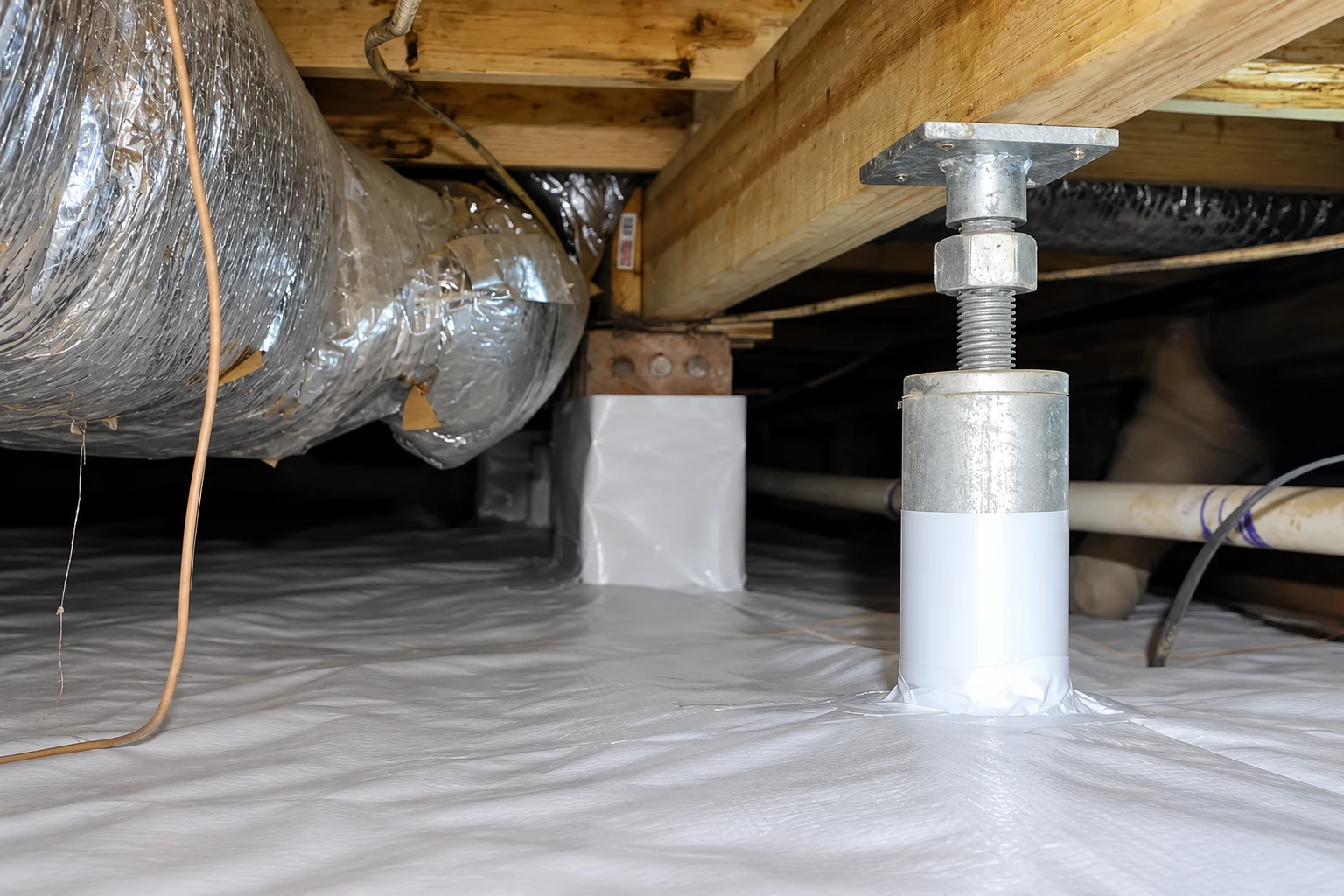
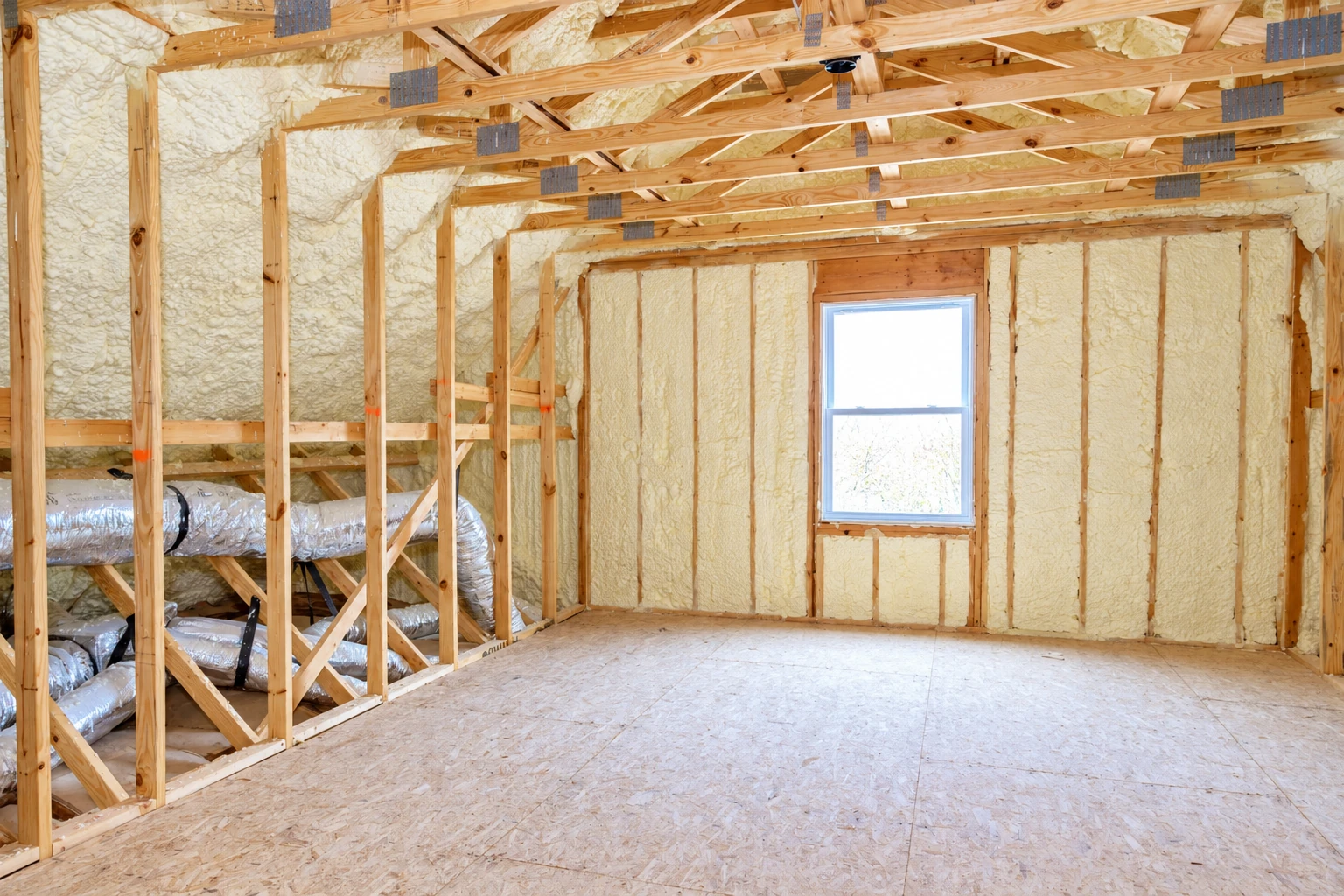
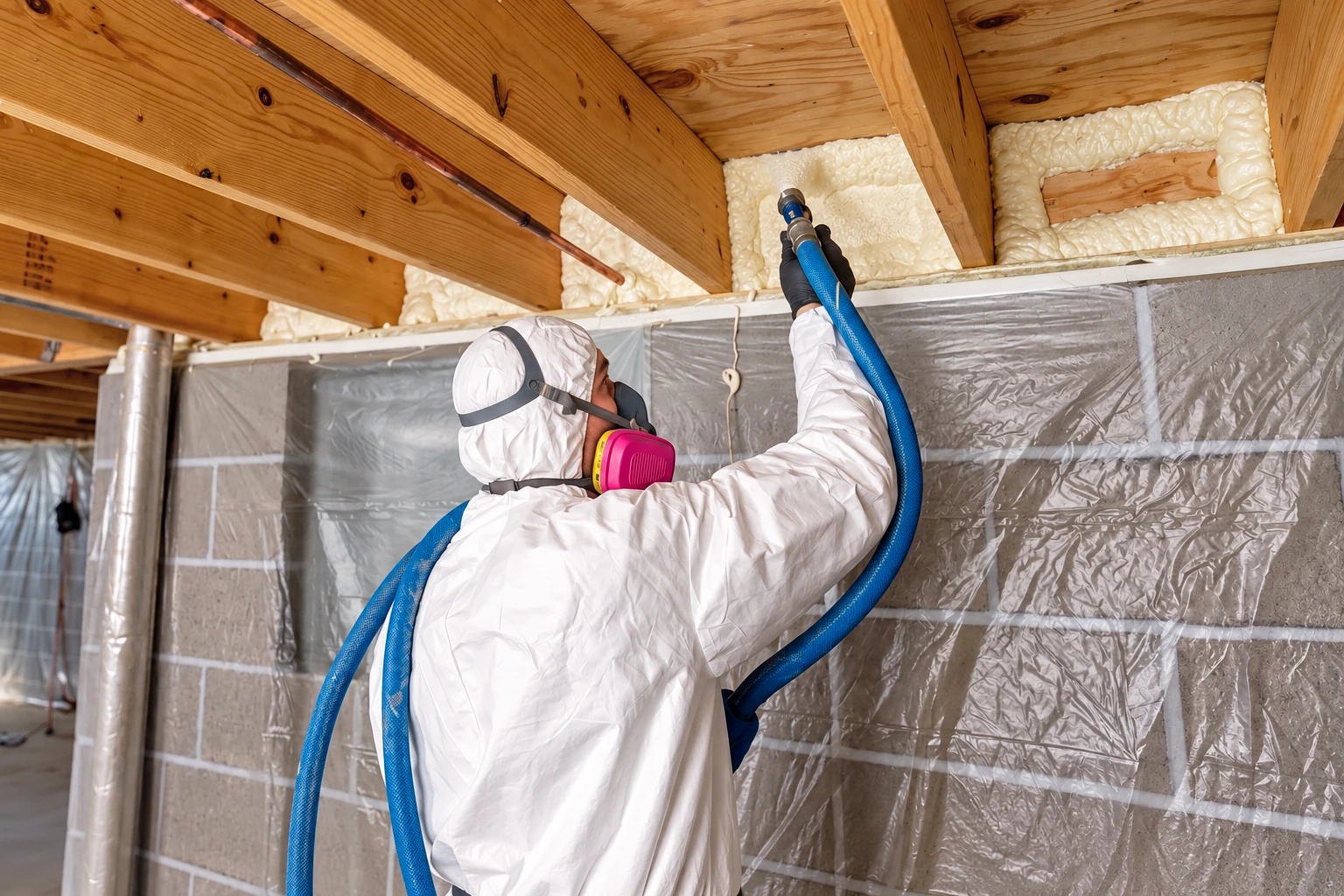
These photos show batt and spray foam finishes under floors and around pipes, so we can talk through which approach fits your crawl space.
Straight answers to what people ask most before insulating the floor over a crawl space, from cost and materials to asbestos and permits.
Across the US, insulating a crawl space usually costs about $3 to $6 per square foot, and that's a national figure, not our price. Where your job lands depends on what's under your house, especially framing repairs or old material that has to come out first. I'll give you your own number in a free on-site estimate.
Batts are usually the better buy once the floor is sealed, because foam costs more. Spray foam insulates the floor and the band joist, the board around the floor's edge, and seals air in one pass, so it earns its price where those edges leak badly. Batts only work with a tight fit and no gaps or squashed spots.
Yes. Crawl space guidance says one always needs a ground cover that keeps moisture in the soil from evaporating up into it, whether or not the crawl space is part of the heated and cooled house. If yours is bare dirt, a crawl space vapor barrier is worth talking about at the estimate.
Not by itself. Closing the vents without handling the other details could raise moisture levels down there, and if equipment that burns fuel and relies on that outside air sits in the crawl space, it could create a deadly situation. That's why I check what burns fuel in the house before we make anything tighter.
A certified asbestos abatement firm has to inspect them and decide how they're treated. Older crawl spaces might have asbestos-based wraps on ducts and pipes, so I look for them when I'm under the house. If we find some, we leave it alone, and the insulation waits until that firm has done its part.
The city's Building and Development Services team can tell you, since it helps residents with all building permits. When a job needs one, we pull it with whichever office has your address, city or county, and set up the inspection, because Modesto inspects permitted work before it's covered up and floor insulation ends up covered.
Call (209) 222-5441 any day from 7 AM to 11 PM, or send the form, and I'll come take a look.