
Spray foam insulation
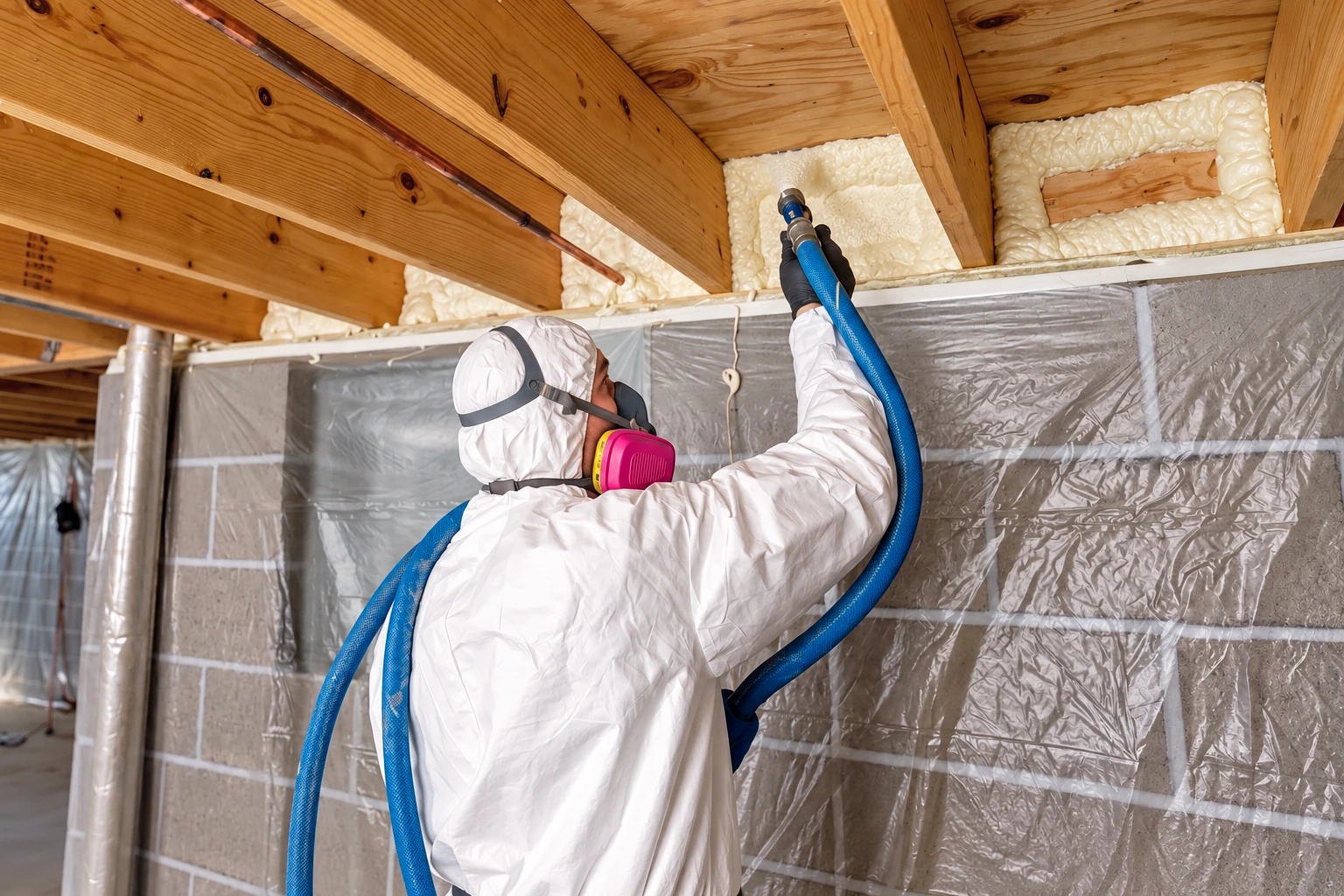
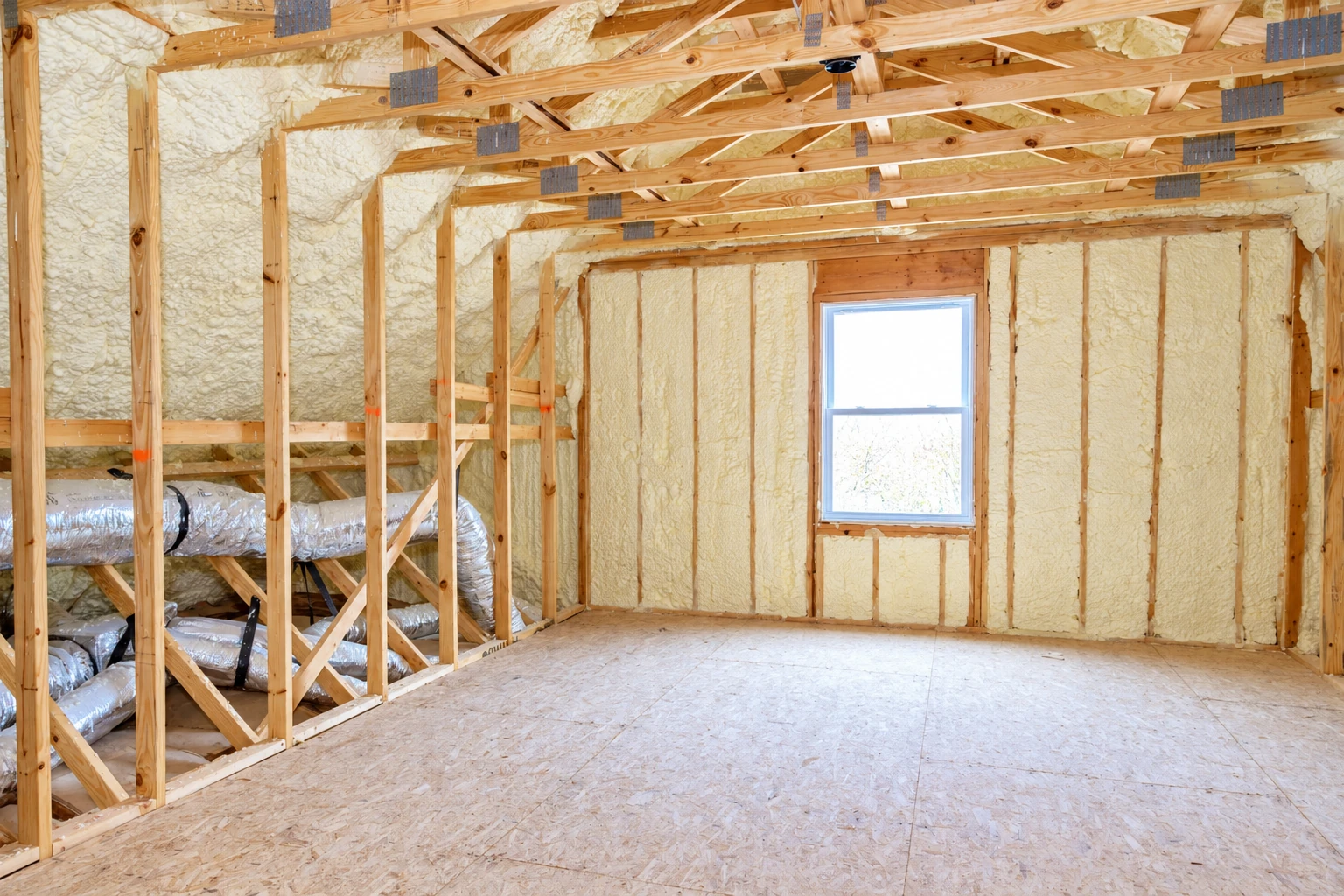
We spray foam on rooflines, rim joists and the room over the garage that never cools off. The crew masks and covers everything nearby first, because foam sticks to whatever it lands on.
TempGuard Modesto Spray Foam Insulation is an insulation contractor based in Modesto that seals and insulates attics, crawl spaces and walls in Keyes, so your house holds its cool through summer and its heat through winter.
Keyes is mostly a bedroom community along Highway 99, with Ceres just north and Turlock just south, and the calls we get from here sound like the ones from home in Modesto. Bedrooms that stay warm long after sundown, a room over the garage nobody wants to sleep in, a power bill that jumps every summer. Keyes isn't a city. It's an unincorporated part of Stanislaus County, so the county, not a city hall, issues any permit your job needs.
What moves the price is mostly what's already up there. If the old insulation got soaked or full of droppings, it comes out first, because new material on top just buries the problem. After that it's air sealing, closing the gaps around can lights, pipes and the hatch before insulation goes in, and how easy your attic or crawl space is to get into. The schedule turns on the same things, plus a county inspection when there's a permit. I look at the job myself and write the estimate, so your number comes from your house and not a chart.
We do the same work from Ripon in San Joaquin County down into Merced County, and we've been at it since 2013. Attics here in August are hot, but I'll take that over the office I left, since nobody schedules meetings in an attic.
Before we make a house tighter, I check the water heater, furnace and anything else that burns gas, because sealing changes how much air those appliances can pull in.
We keep insulation off the eave vents so the attic can still breathe, and we fill the edges as deep as the middle, since thin edges are where heat gets in.
We're licensed and insured. When a Keyes job needs a permit, we pull it with the county and set up the inspection before any of the work gets covered.
We spray foam on rooflines, rim joists and the room over the garage that never cools off. The crew masks and covers everything nearby first, because foam sticks to whatever it lands on.
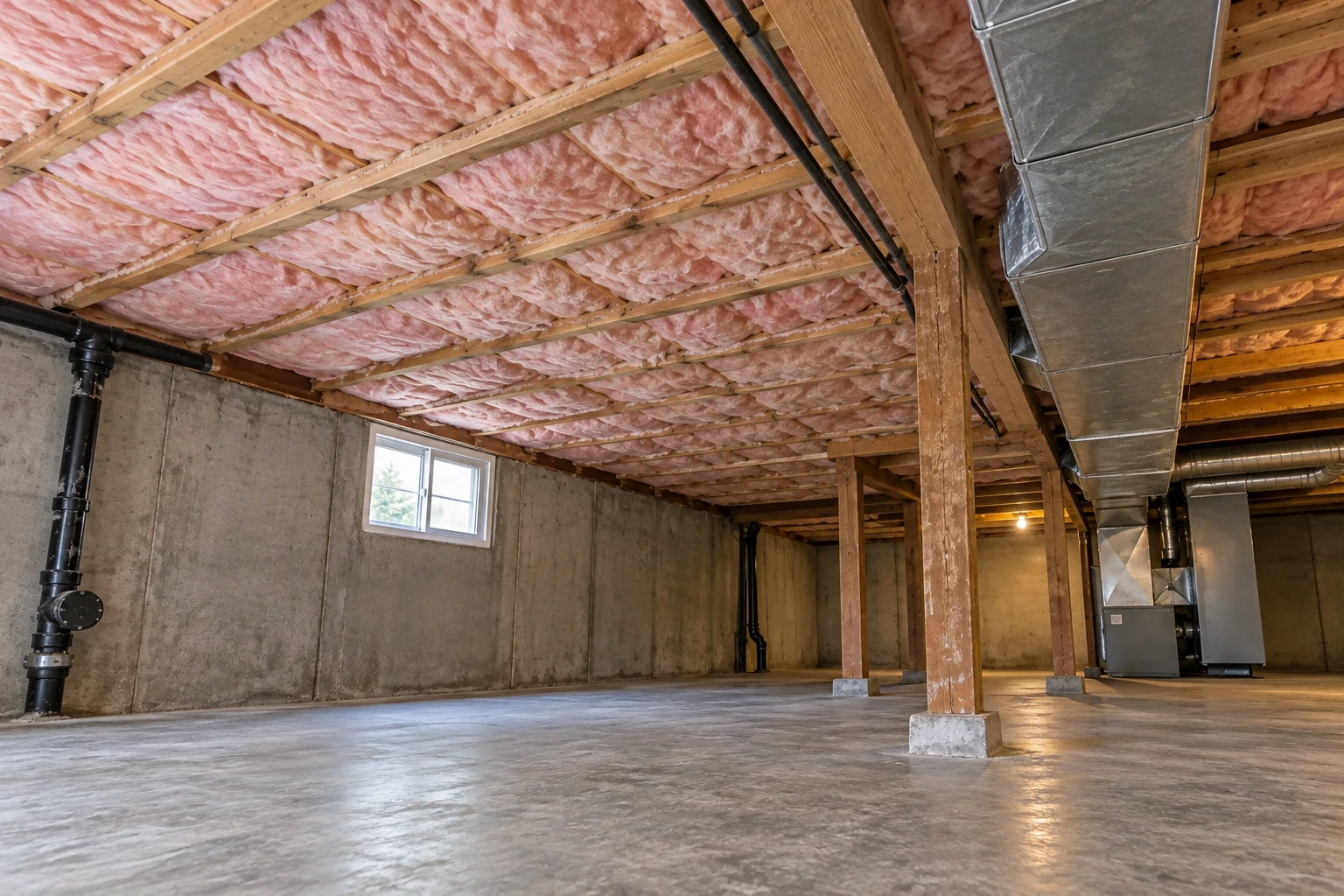
Most attic calls start with insulation that's thin, packed down or patchy. We check how many inches are up there, seal the gaps, then build the depth back up evenly out to the eaves.
Blown-in, loose fill blown through a hose, is the usual way we top up an attic that's lost depth. It goes in quickly, reaches around wiring and joists, and costs less than foam.
When several rooms won't stay comfortable, we look at the attic, walls and floors together and tell you which one is costing you most, so you fix that first and see if it's enough.
Old insulation that got wet or filled with rodent droppings comes out before anything new goes in. Covering it just hides the smell and the mess under a fresh layer.
Cold floors in winter usually trace back to a bare crawl space. We insulate between the floor joists and keep it snug against the subfloor so it stays put instead of sagging onto the dirt.
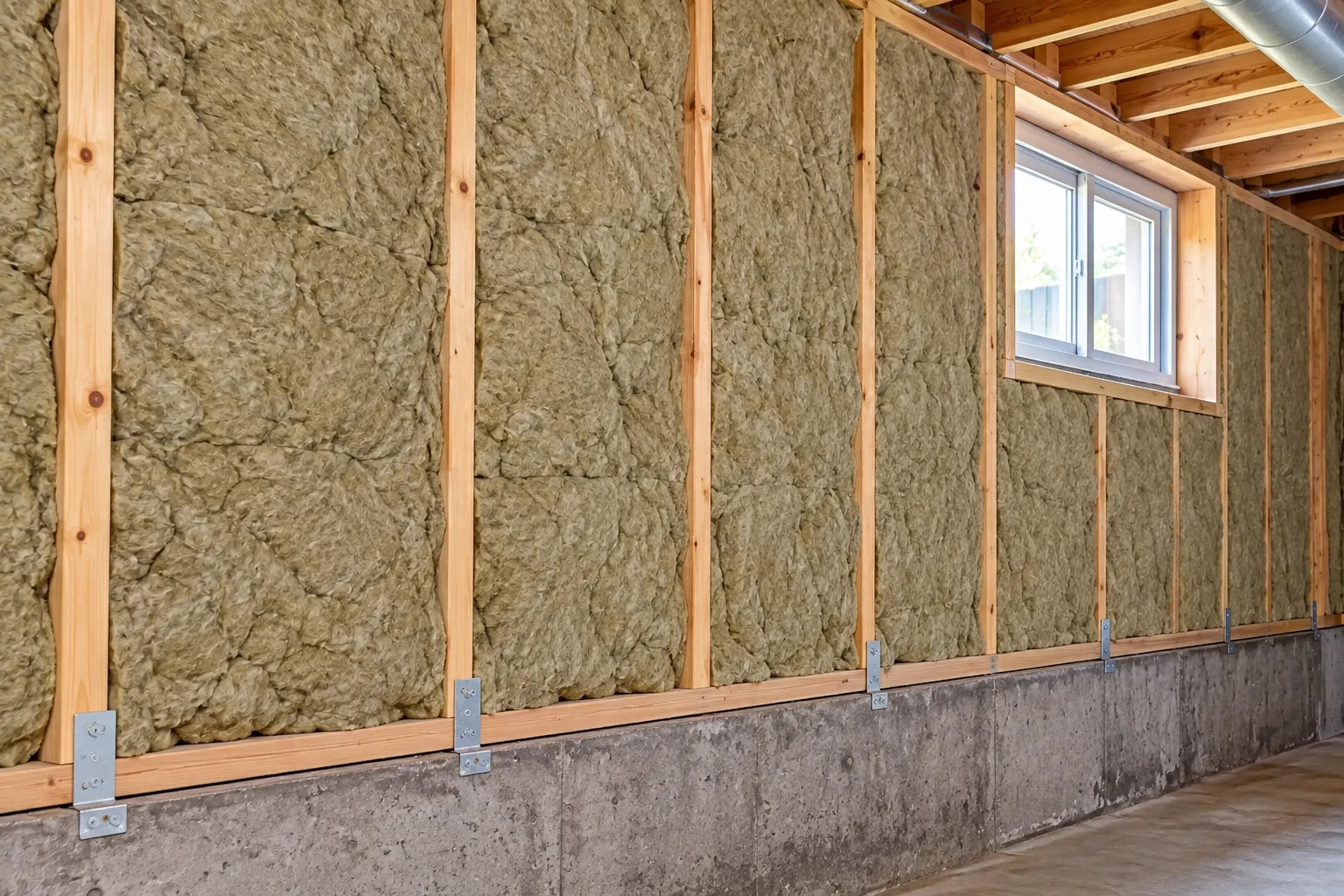
Walls in older houses are often empty or only half filled. We fill them through small holes, patch them, and tell you up front if old wiring needs an electrician before we close anything in.
We go after the leaks you feel as drafts, around plumbing, wiring, outlets and the attic hatch. It costs little next to the insulation itself, and it's what lets that insulation actually work.
Valley houses rarely have basements, but when yours does, we check the walls for water first and then insulate the walls and rim joist, since anything laid over a damp wall traps it.
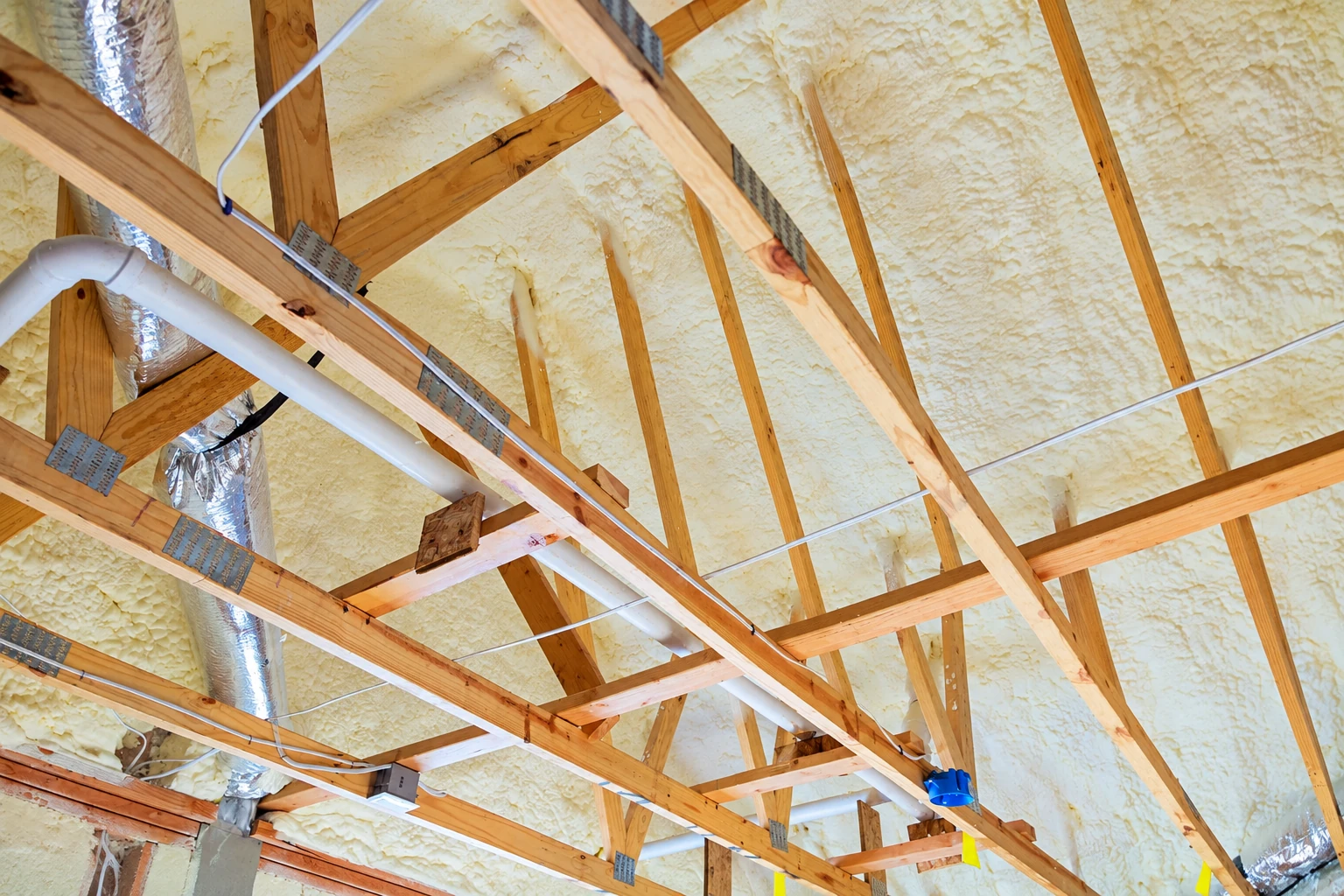
Closed-cell foam, dense foam that also blocks moisture, is what we use on rim joists, crawl space walls and other spots where damp air would soak into ordinary insulation.
Open-cell foam is softer and lighter and costs less per inch than closed-cell. It works well on rooflines and interior walls where moisture isn't the worry and quieting a room is a bonus.
We insulate shops, offices and small commercial buildings, walls and ceilings both, and work around your hours so the business keeps running while we're up overhead.
A plastic barrier over the dirt under the house keeps ground moisture out of the floor framing and insulation. We overlap and tape the seams and run it up the walls so it does its job.
A vapor barrier keeps moisture from moving into insulation and framing. Which side it goes on depends on the wall and the space, because the wrong side traps water, so we settle that at the estimate.
Before any insulation goes up, we seal the attic floor around can lights, plumbing stacks, wiring holes and the hatch, so hot attic air stops leaking down into the rooms below.
Retrofit work adds insulation to a finished house without tearing it apart. We go in through the attic, the crawl space or small wall holes and leave the rooms the way we found them.
Send the form and we'll get back to you within one business day to set a time. I come out, look at the job myself and write the estimate, which is free and comes with no obligation.
If your attic already has plenty up there, I'll say so. I'd rather tell you a job isn't worth the money than sell you insulation you don't need.
Your estimate spells out what comes first and why, whether that's pulling old insulation, sealing gaps or fixing a wet spot, so nothing new gets buried over a problem.
Our installers do the job, and I walk through it with you at the end so you see what went in before we call it done. Satisfaction guaranteed.
These are the questions Keyes homeowners ask about permits, licenses and insulation choices before they let anyone work on the house.
Yes. Stanislaus County requires one before construction or development begins in a Special Flood Hazard Area, a mapped flood zone, and its Building Permits Division issues it. That flood permit usually comes along with the building permit application. To find out if your lot is in one, ask the county's Building Division any time, or check FEMA's Flood Map Service Center.
A contractor needs a license from California's Contractors State License Board if the job needs a building permit, uses any additional workers, or adds up to $1,000 or more in labor and materials. That small-job line rose from $500 to $1,000, but it only covers no-permit work by someone with no employees, and a bigger job can't be split into pieces to stay under it.
Usually not, unless your ductwork runs through the attic. Foam costs more because it seals air while it insulates, but sealing the gaps and topping up loose fill usually gets you most of the comfort for less. When the ducts live up there, foam on the roofline pulls them into the cooler side of the house, and that's when I'll recommend it.
For blown-in and air sealing, usually not, though kids and pets should stay clear of the attic hatch while the crew works. For spray foam, everyone leaves, pets included, until the re-entry time, the wait before it's okay to come back inside, has passed. I'll tell you how long that is for the foam we're using before we book the day.
Each city below has its own page with what we see on jobs there. If your address isn't listed, call and ask, since we work across Stanislaus County and into San Joaquin and Merced counties.
We take calls seven days a week from 7 AM to 11 PM, so call (209) 222-5441 after work or send the form tonight.