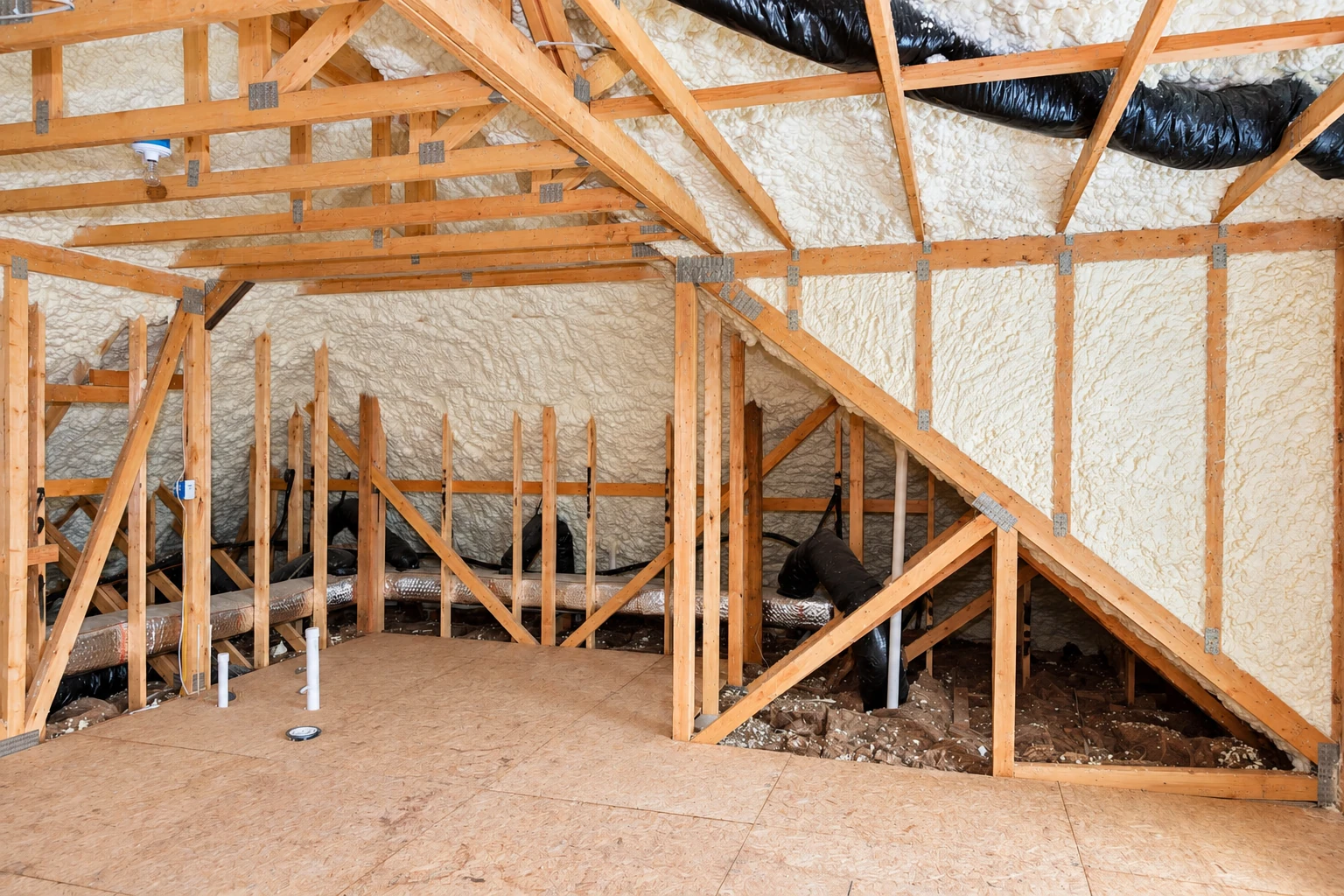
Spray foam insulation
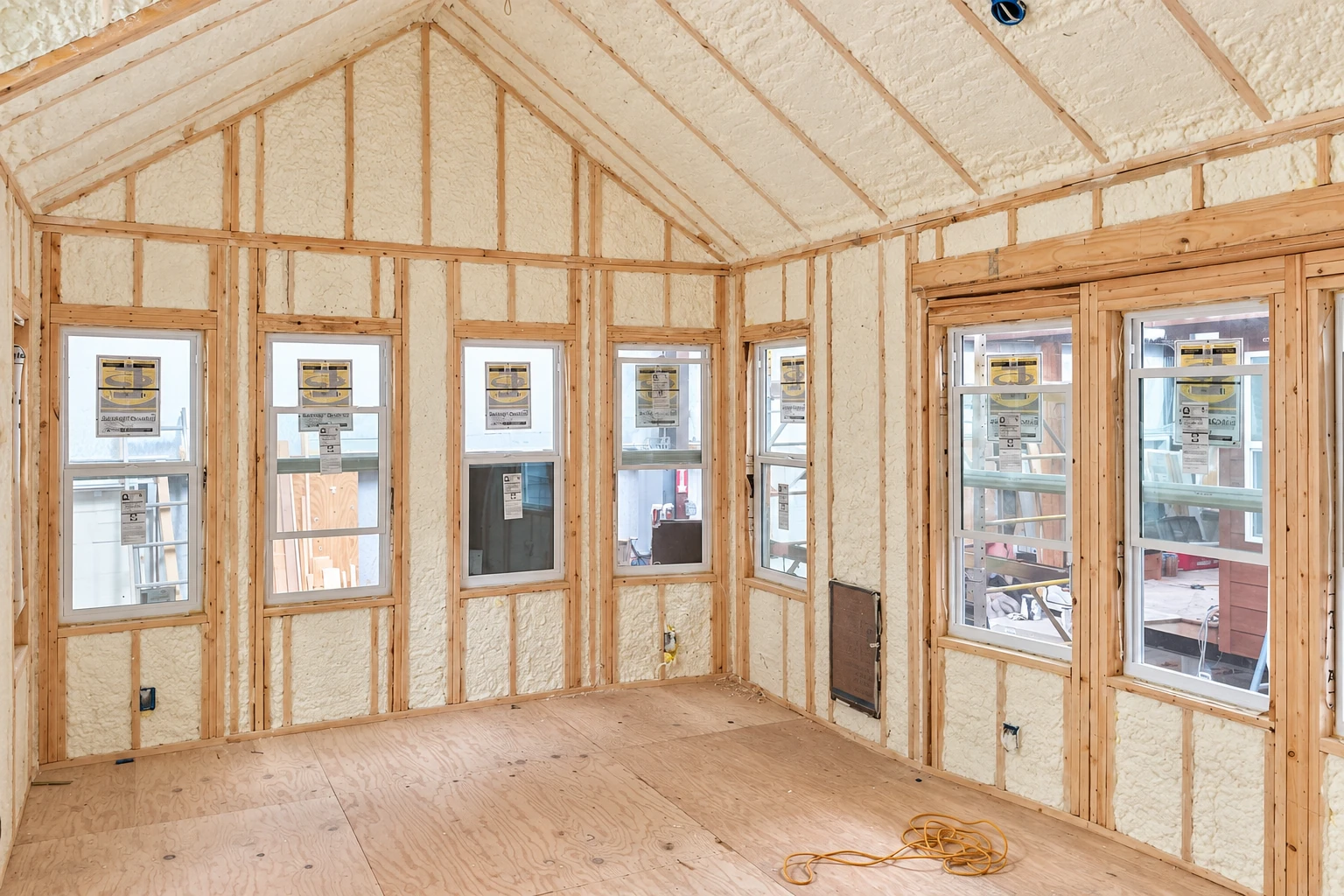
When ductwork runs through your attic, we can spray foam under the roof so the ducts sit inside the insulated space. It costs more, so I'll tell you plainly whether your house needs it.
TempGuard Modesto Spray Foam Insulation is an insulation contractor based in Modesto, CA, and we insulate attics, walls and crawl spaces in Ceres, sealing the gaps first so new insulation actually keeps your rooms comfortable.
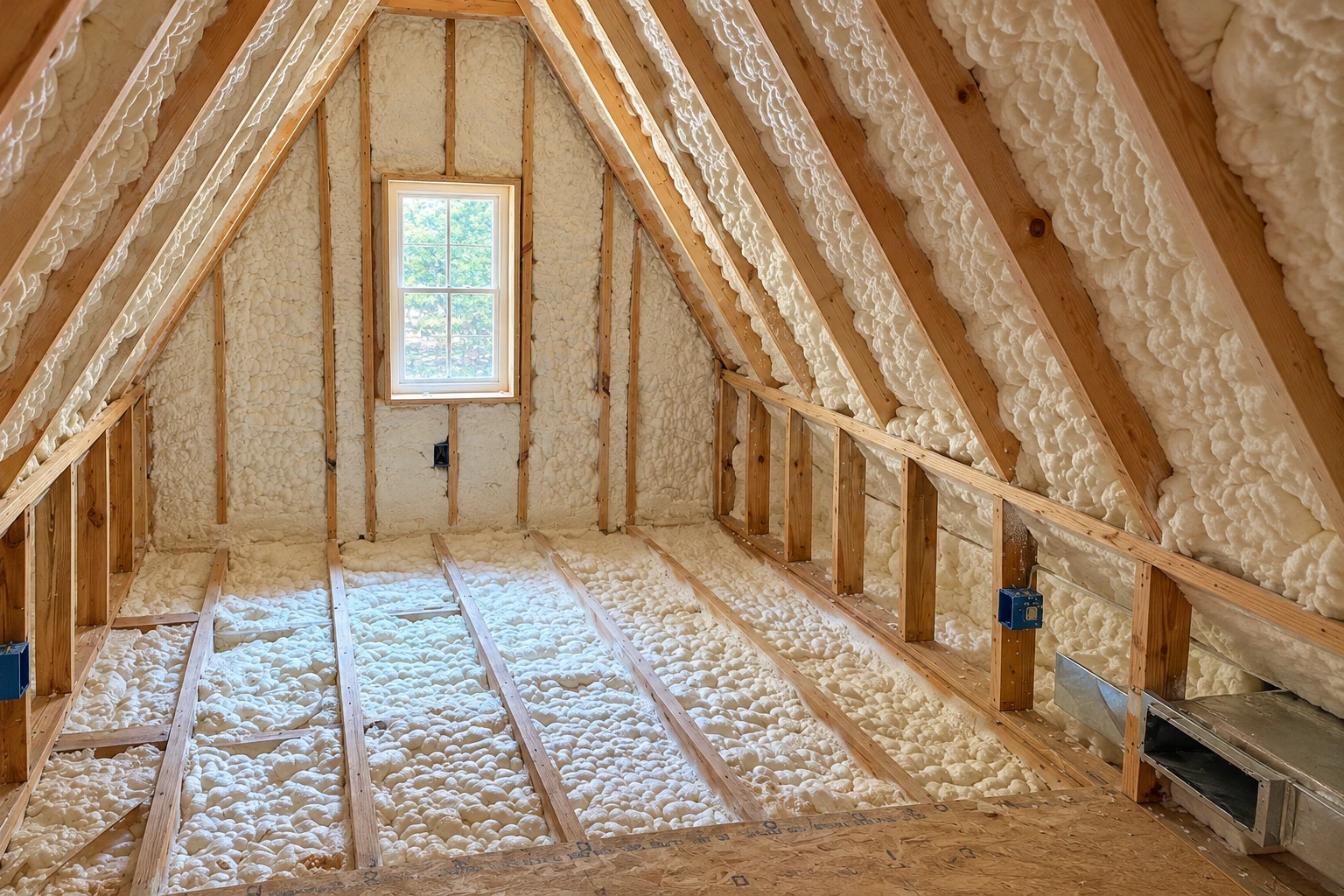
Ceres is next door to Modesto, our home base, so it's the same kind of drive we make to Keyes or up to Salida. The calls sound alike: a hot upstairs, the room over the garage that never feels right, a power bill that keeps climbing. Up in the attic we usually find older houses with a few inches of flattened insulation, and newer ones where the ductwork runs right through the attic.
Your price comes down to how much attic or wall there is, whether the old insulation is clean enough to stay or has to come out, how many gaps need sealing, and whether foam makes sense or loose fill will do. The schedule turns on removal, on a permit and inspection when the job needs one, and with foam, on re-entry time, which is when you, the kids and the pets can come back inside. I come out, look at it myself and write the estimate, so you get your own number instead of a guess over the phone.
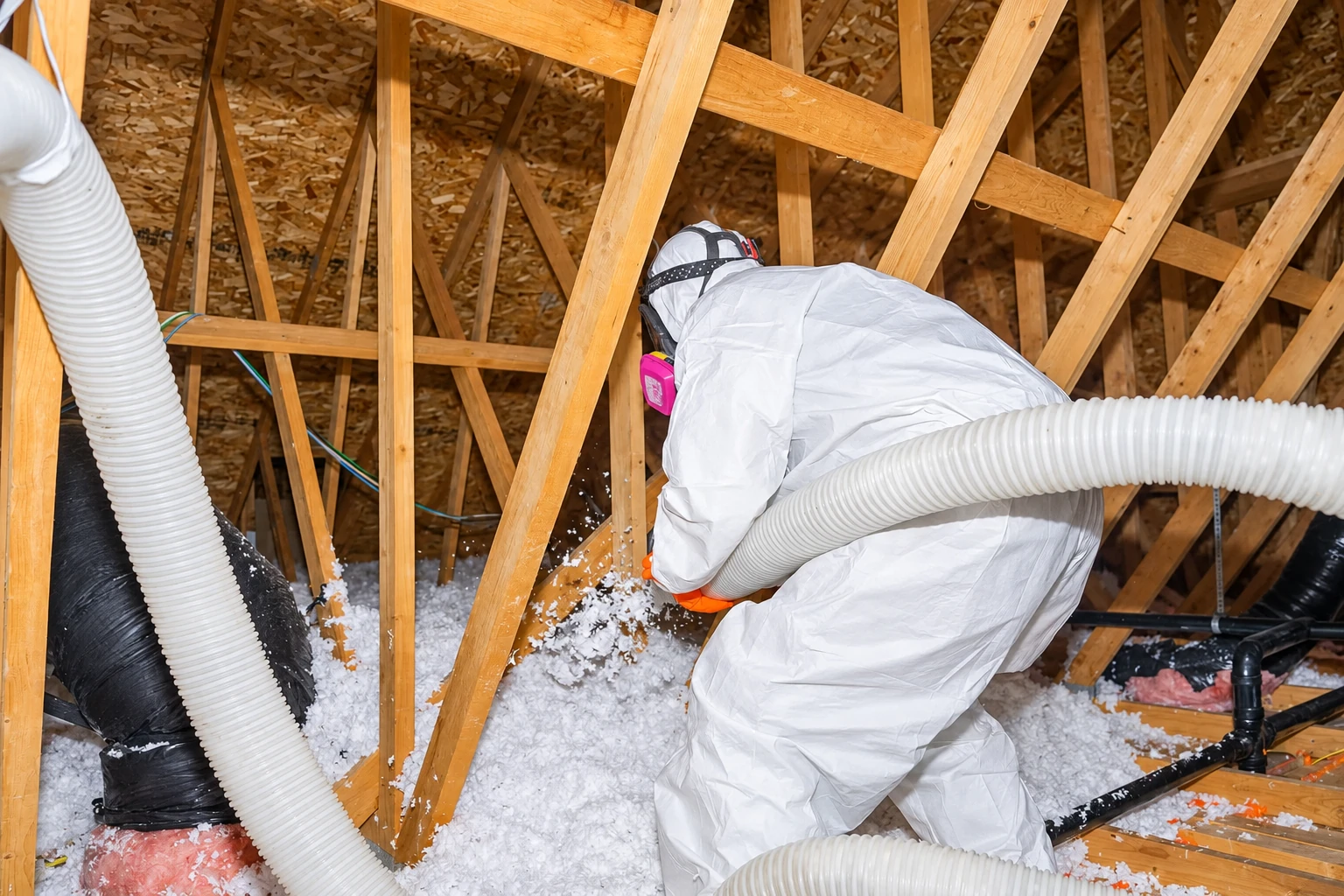
Foam costs more, and it seals air while it insulates. For most attics, sealing the gaps and topping up blown-in insulation, loose fill blown through a hose, is the better buy. The exception is ductwork living up there, and then foam can earn its price.
If the old insulation got soaked or is full of droppings, we pull it before adding anything, because new material over a problem just hides it for a few more years.
We close gaps around can lights, pipes and the hatch first, because insulation can't stop a draft blowing through it, and I check anything that burns fuel before we tighten the house.
We keep the eave vents clear and build the edges up to full depth, so the attic still breathes and the corners over your walls aren't the thinnest spots.
When ductwork runs through your attic, we can spray foam under the roof so the ducts sit inside the insulated space. It costs more, so I'll tell you plainly whether your house needs it.
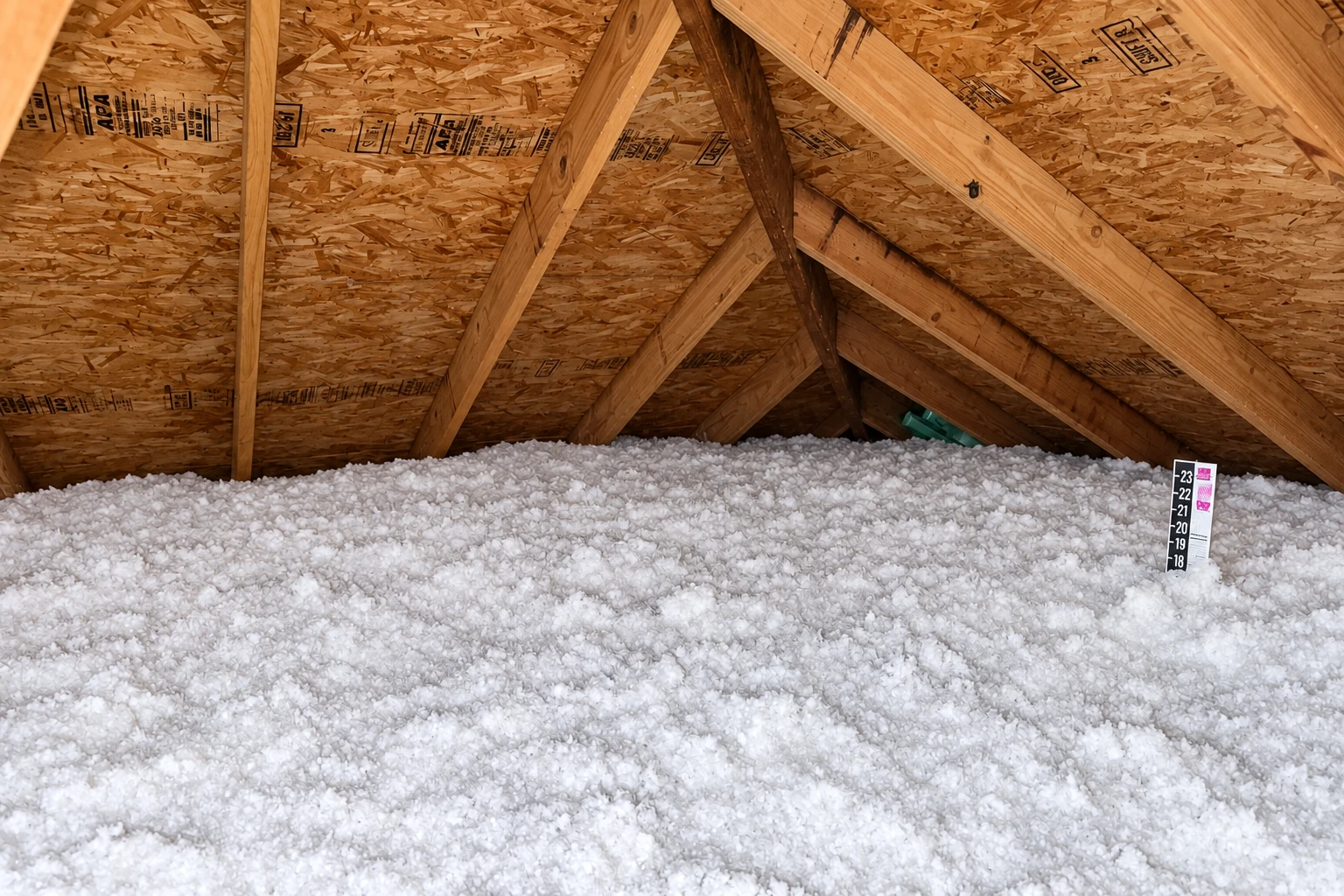
Most calls start with an upstairs that won't stay comfortable. For attic insulation, we check how many inches are already up there, seal the gaps, then bring the depth up evenly, edges included.
Blown-in insulation is how we top up most attics, because loose fill settles into corners and around framing that batts miss. We baffle the eaves first so it never buries the vents.
For whole home insulation, I walk the house from attic to crawl space when some rooms are drafty and others are fine, then tell you which part to fix first instead of selling you all of it.
If old insulation got soaked from a roof leak or is full of droppings, our insulation removal crew vacuums it out and cleans up before anything new goes in, so the problem doesn't get buried.
Cold floors usually mean missing or sagging batts under the house. With crawl space insulation, we check for moisture first, then fit insulation between the floor joists and hold it up properly.
Older houses often have thin or empty exterior walls. For wall insulation, we fill them through small holes from inside or out and patch them, without tearing out your drywall.
Our air sealing services close the gaps around wiring holes, plumbing, ducts and can lights, because that's where drafts and attic dust get into the rooms you live in.
Basements aren't common around here, but when a house has one, our basement insulation covers the walls and the rim joist, which leaks more air than most people would guess.
Closed-cell foam, a dense foam that blocks moisture, fits rim joists, crawl spaces and spots that get damp. It's the pricier foam, so we use it where moisture control earns the cost.
Open-cell foam is softer and lighter, a good fit on a roof deck or in walls where moisture isn't the issue. It seals air well and usually costs less than closed-cell.
We handle commercial insulation for shops, offices and rental units, working out a schedule around your hours and your tenants before the crew shows up.
A crawl space vapor barrier is heavy sheeting over the dirt that keeps ground moisture from rising into your floor. We lap and tape the seams and run it up the foundation walls.
With vapor barrier installation in walls, ceilings or floors, we put the barrier on the right side for that spot, so damp air doesn't end up condensing inside the insulation.
Attic air sealing is the step people skip. We seal the hatch, the tops of interior walls and the gaps around flues and plumbing before any insulation goes over them.
Retrofit insulation means adding insulation to a house that's already built and lived in. We work through the attic, the crawl space and small wall openings, and we clean up as we go.
Send the form and we'll get back to you within one business day to set a time. I come out, look at the house myself and write the estimate, free and with no obligation.
I go up in the attic or under the floor and price the job from what I actually see, not from a phone call or a satellite photo.
Our installers do the job, then I go over it with you so you see what went in and where. We're licensed and insured. Satisfaction guaranteed.
I learned on an insulation crew in Modesto and started this business in 2013. The attics are hotter than my old office, but nobody schedules meetings in them.
These are the questions Ceres homeowners ask before we insulate, mostly about permits, licenses, inspections and what's under the house.
Possibly, and it's worth settling before work starts, because the City of Ceres issues building permits for almost anything done to a structure and sets apart only cosmetic work like paint, carpet and wallpaper. Insulation isn't on that list. When your job needs a permit, we pull it, and owners can also apply through the city's online portal.
Stanislaus County inspectors do, because the city contracts with the county for all its inspections and plan checks. The permit itself still comes from Ceres, and any plan check submittal goes to the city. When a job has a permit, we set up the inspection before the insulation covers anything, so the inspector can see what's underneath.
Usually yes. The California Contractors State License Board licenses anyone who builds or alters a structure here, and requires a license when the job needs a building permit, uses other workers, or runs $1,000 or more in labor and materials. Splitting a bigger job into small contracts doesn't get around that. Ceres also requires a business license to work inside city limits.
Each property has to be checked on its own, because Stanislaus County updated its flood maps in 2020, working with Ceres and other cities on new or updated flood hazard data. The county says the changes may affect building or insurance requirements. The Tuolumne River runs along part of the north edge of the city, so mention it at the estimate if you're close, especially for crawl space work.
These cities have their own page here, and we also work in others across Stanislaus, San Joaquin and Merced counties. Call or send the form if you're not sure we come out your way.
Call (209) 222-5441 any day from 7 AM to 11 PM, or send the form with what you're noticing and any permit questions.