
Tops of walls and can lights
Every inside wall has a top board hidden under the attic insulation, and recessed lights often sit in open holes. Left unsealed, they let hot attic air drop into the rooms below.
Hot upstairs or drafty rooms? We seal the leaks hiding under your attic insulation, so the air you pay to cool stays inside.
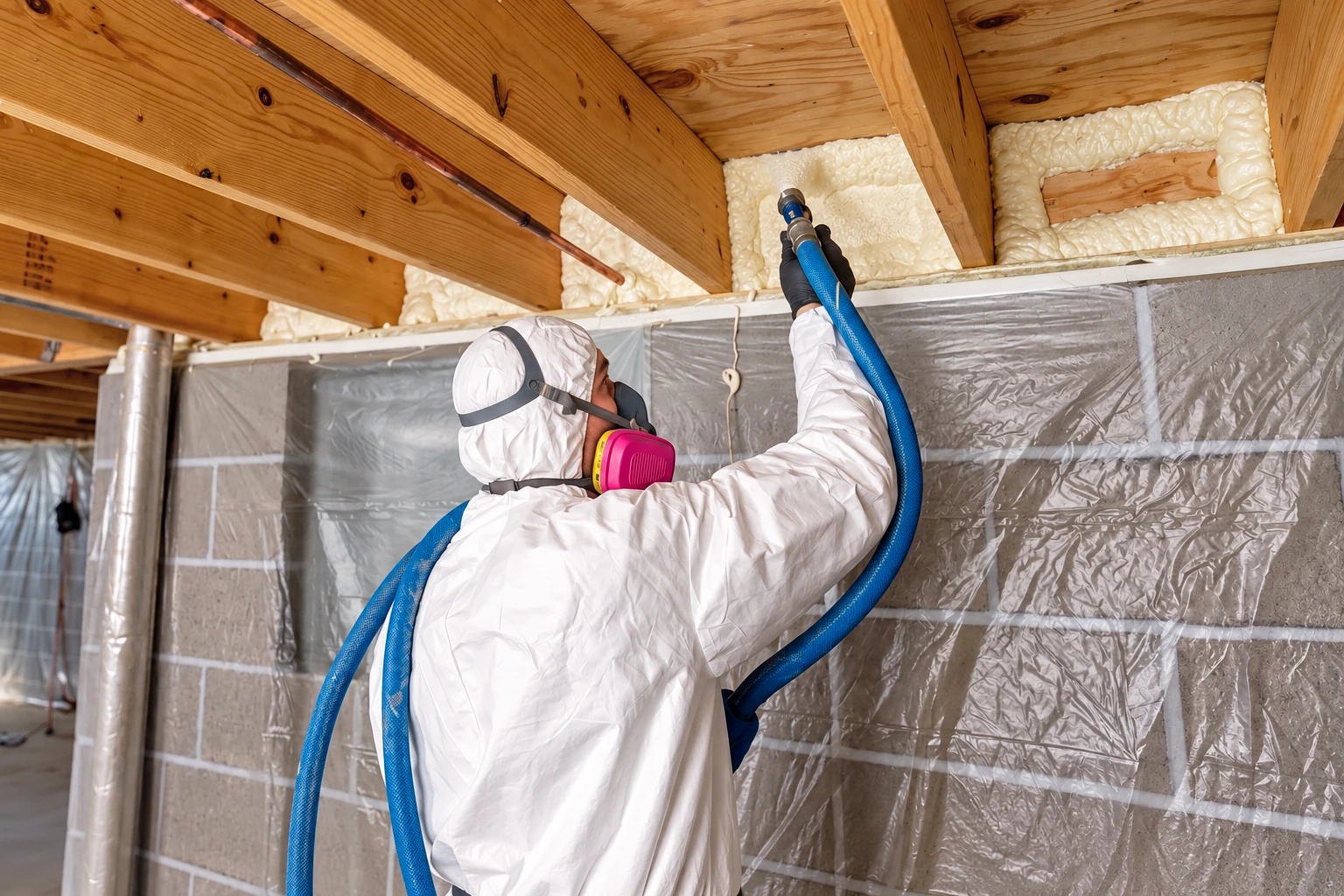
Air sealing in Modesto means closing the gaps around door frames, pipes, wires, vents, ducts and fans, mostly with caulk or foam, so hot attic air stays out of your rooms and the air you paid to cool stays in.
Most calls I get start with a room that won't stay comfortable, like the hot upstairs or the room over the garage. Often the insulation isn't the whole story, because air is slipping through gaps in the ceiling and the insulation sits on top of them fighting a draft all summer.
The price turns on how easy your attic is to get into, how much insulation we have to move to reach the leaks and how many big openings there are. The schedule turns on what we find first, like wet insulation that has to come out, and on an inspection when a job needs a permit, which we pull with the city or county that has your address. I write the estimate after I've been up there myself, so it fits your house.
I come out, go up in your attic myself and write the estimate. If your leaks are easy ones you can caulk on a Saturday, I'll say so and save you the bill.
We close the leaks before any new insulation goes down, because insulation over open gaps just fights the draft. Wet spots and old wiring get fixed first, not buried.
I learned the trade on an insulation crew here and started this business in 2013. Our installers do the work, and I go over it with you at the end.
Easy gaps around door frames and the pipes under your sink you can seal yourself with caulk, and I'll tell you so. Hand sealing doesn't reach the small leaks buried under attic insulation, though, and those are the ones worth paying us for. Our crew pulls the insulation back, seals the gaps with caulk or foam, then puts it back level, as deep at the edges as in the middle.
What we leave open matters just as much. Soffit, ridge and gable vents and any combustion air duct are there on purpose and need air moving through them to work, so we seal around them and leave the openings alone. Bury an eave vent and the attic stops breathing, and the moisture shows up in the framing later.
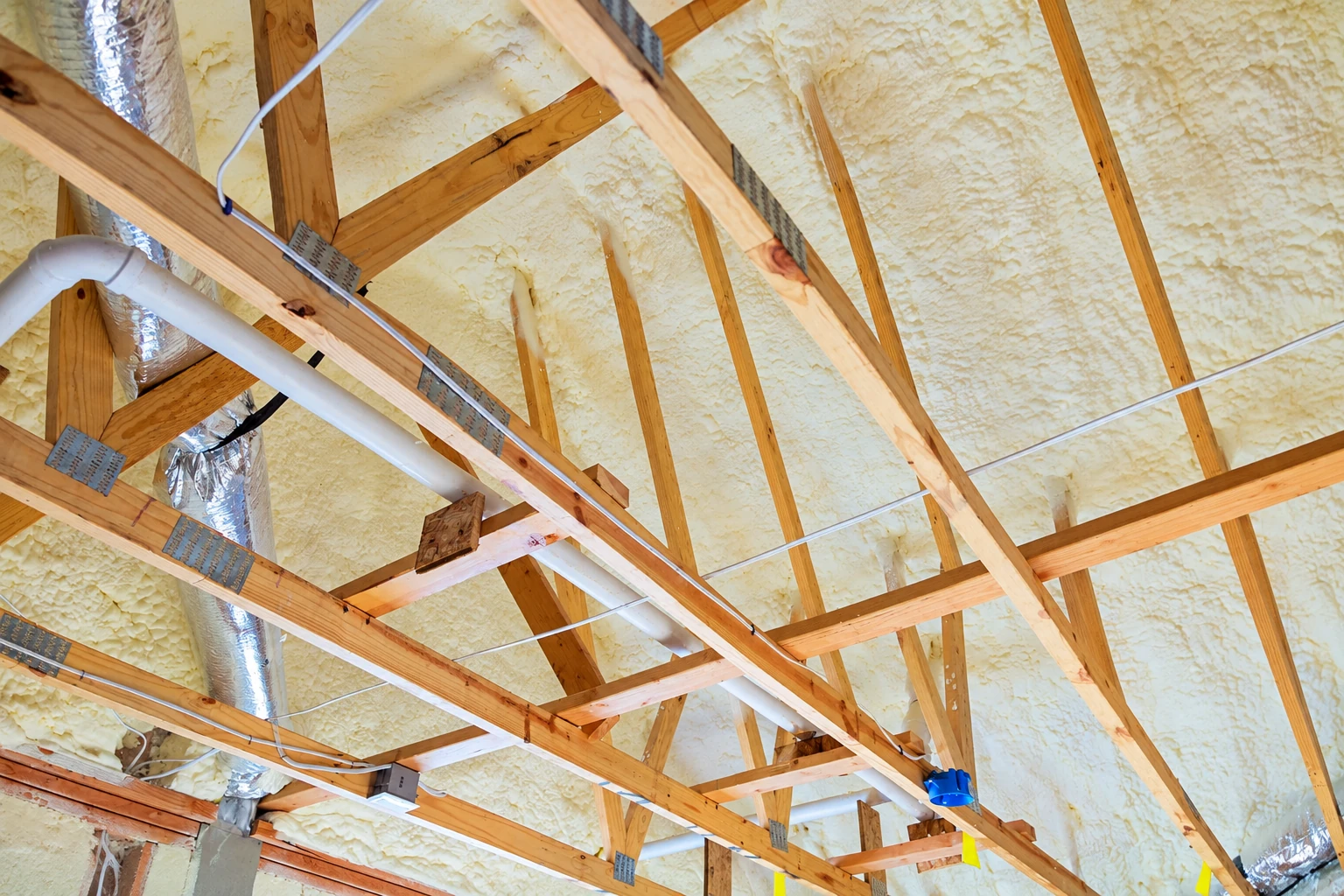
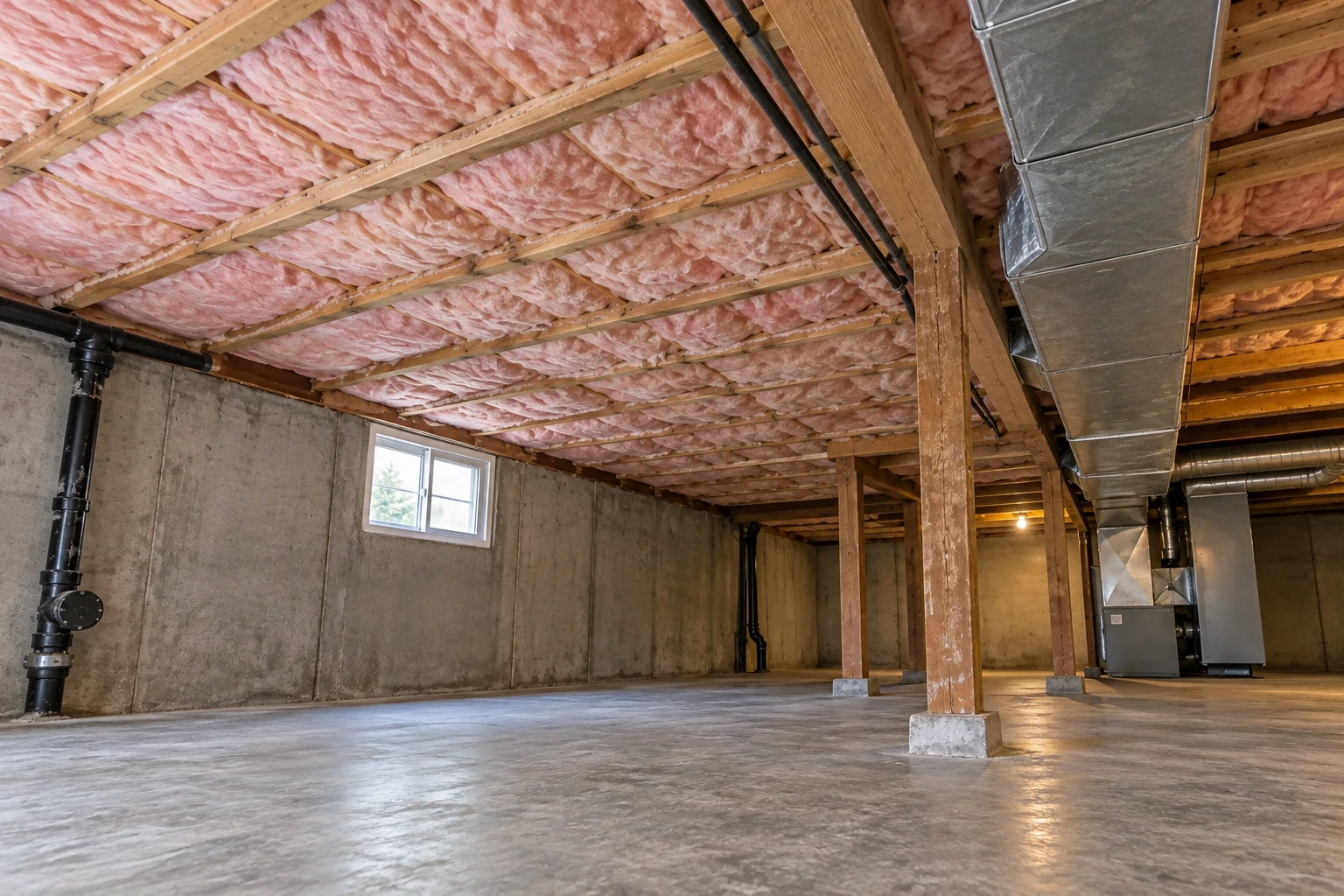
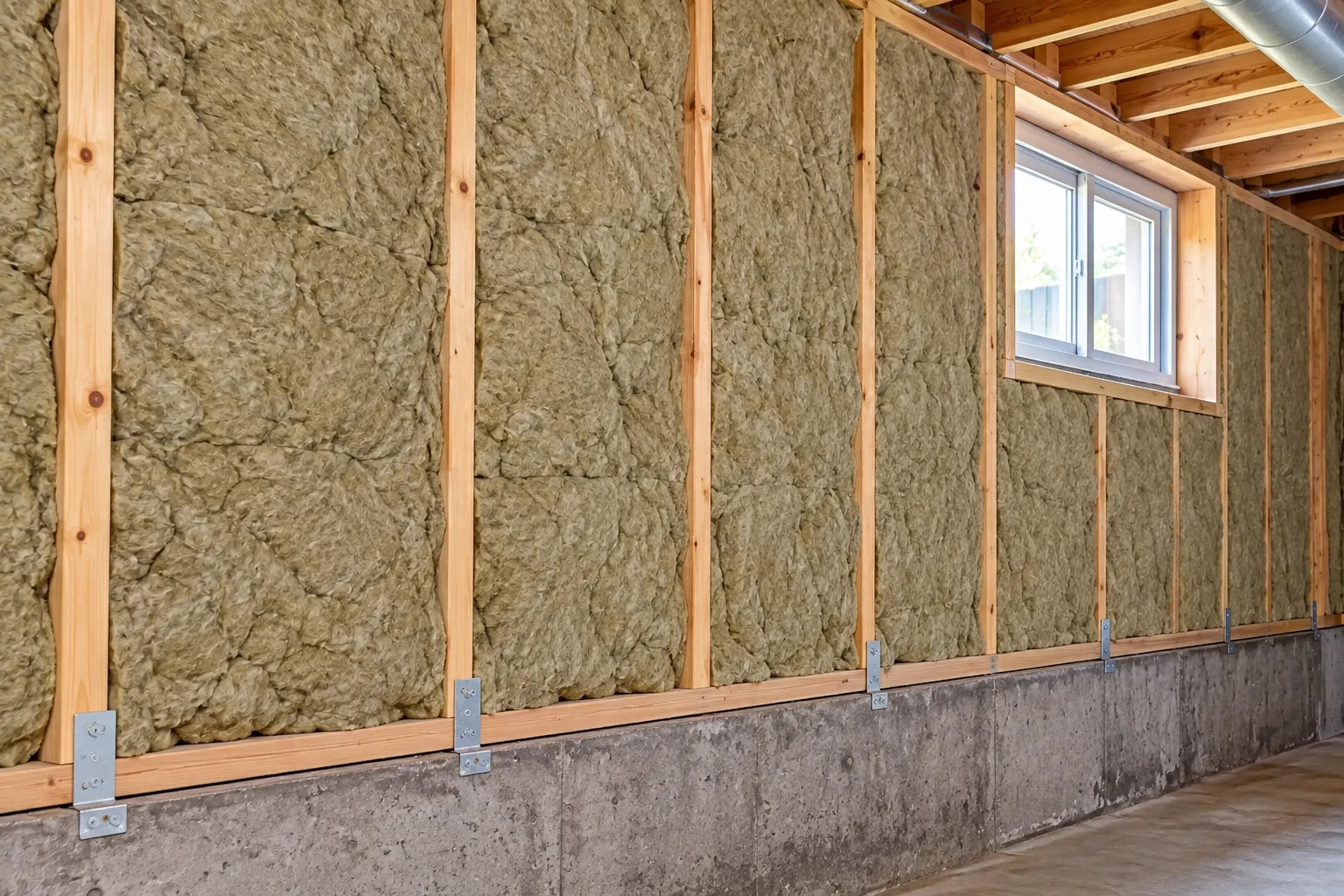
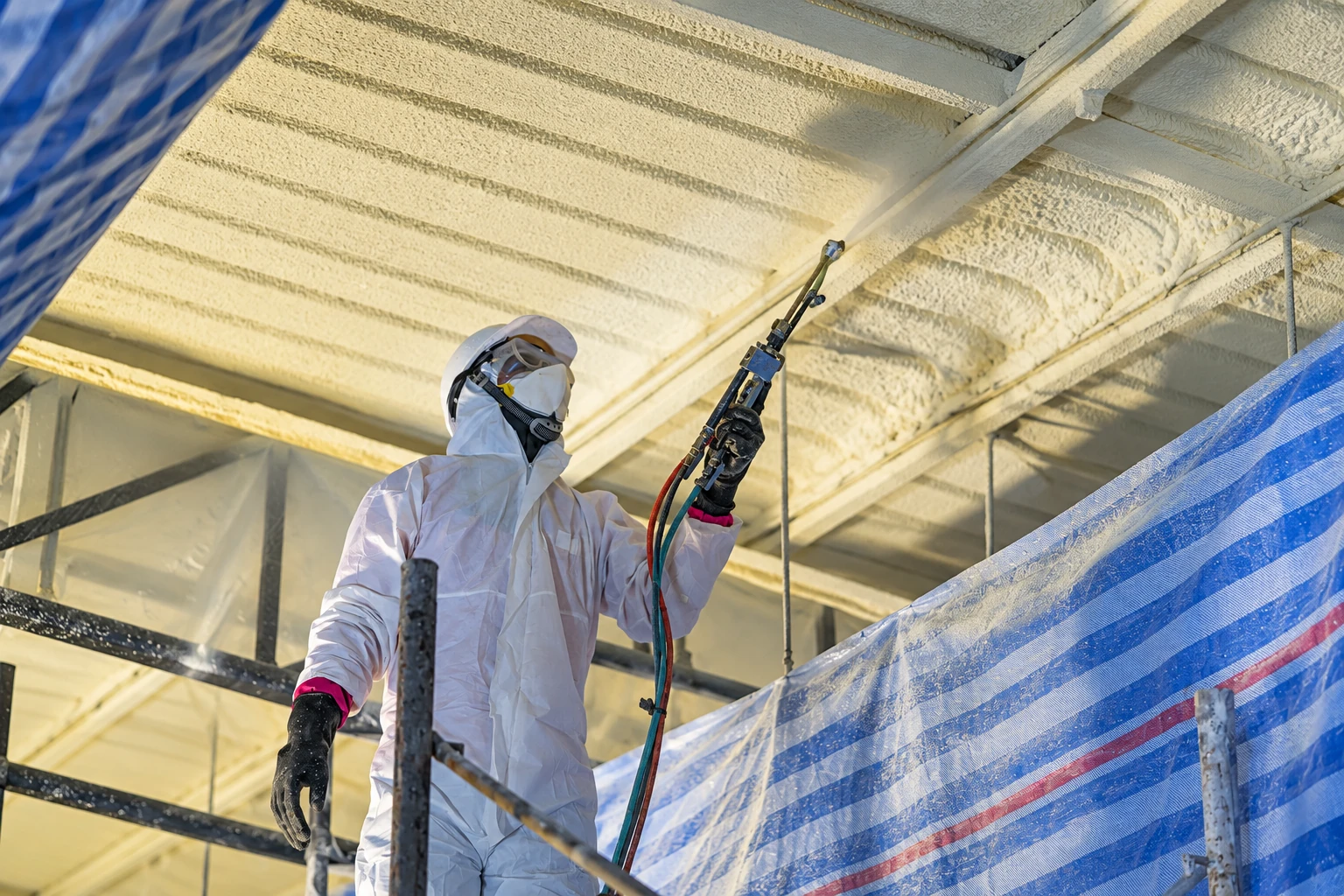
Foam seals and insulates at once, but it costs more. For most attics, sealing the gaps and topping up the loose fill is the better buy, unless your ductwork runs up there, which is when closed-cell foam insulation starts earning its price. If your house has a basement, the same kind of leaks show up where the framing sits on the foundation, and we handle those with basement insulation.
Every inside wall has a top board hidden under the attic insulation, and recessed lights often sit in open holes. Left unsealed, they let hot attic air drop into the rooms below.
A hatch is basically a loose lid on a hole in your ceiling. We seal and weatherstrip it so the one opening you actually use stops leaking every day of the year.
Every pipe and wire that runs into the attic leaves a gap around it. Small gaps get caulk and bigger ones get foam, so nothing is left for air to slip through.
Where ducts and bath fans pass through the ceiling, the gap around the edge is usually left open. We seal those edges so cooled air ends up in your rooms instead of the attic.
Send the form and we'll get back to you within one business day to set a time. I come out, look in your attic and write the estimate, free and with no obligation.
Older houses can hide old wiring or old insulation that changes what we can safely seal, so the build year helps me plan before I climb into the attic.
Tell us where the hatch is and what burns gas or wood in the house, like a furnace or fireplace, because both change how we plan the job.
We're licensed and insured. The state licensing board lists insulation as its own contractor trade, so it's worth checking whoever you hire. Satisfaction guaranteed.
These photos show sealed attic gaps, weatherstripped hatches and foam around pipes, the kinds of details we can walk through at your estimate.
Here are the questions people ask me most about air sealing, from cost and safety to who signs off on the work.
The cost comes down to how many leaks your house has and how hard they are to reach, so I price it after I've looked at your attic. Gaps sealed with caulk or foam are the quick part. Big openings, like those at soffits and dropped ceilings, may need an air barrier put in where there isn't one, and that takes more work.
Certified home energy assessors find hidden leaks with a blower door test, a big fan set in a doorway, and a thermal camera that shows where air is getting through. Ask any crew how it finds leaks, because the answer tells you whether it can reach the hidden ones that caulking by hand misses.
Yes, as long as the check comes first. Furnaces, stoves and fireplaces that burn fuel need fresh air, and without enough oxygen they may give off carbon monoxide, so the house's fresh air needs get worked out before it's made tighter. I look at everything that burns fuel before we seal anything.
A federal attic sealing guide says to check first for live knob and tube wiring, the old cloth-covered kind, plus vermiculite insulation, bath fans vented into the attic and roof leaks. It also lists unvented kerosene heaters or gas fireplaces and attic flooring. Ask any crew what it checked, because sealing over these buries the problem.
Ask the city, because it requires permits to make sure work is done properly and meets life safety rules and building codes. When a job needs one, we pull it and request the inspection through the city's online permit portal before anything gets covered. For attic work, a building department official checks it, with no separate rater needed.
If new insulation is on your list, call (209) 222-5441 first, because sealing after it goes in means moving it all again.