
Spray foam insulation
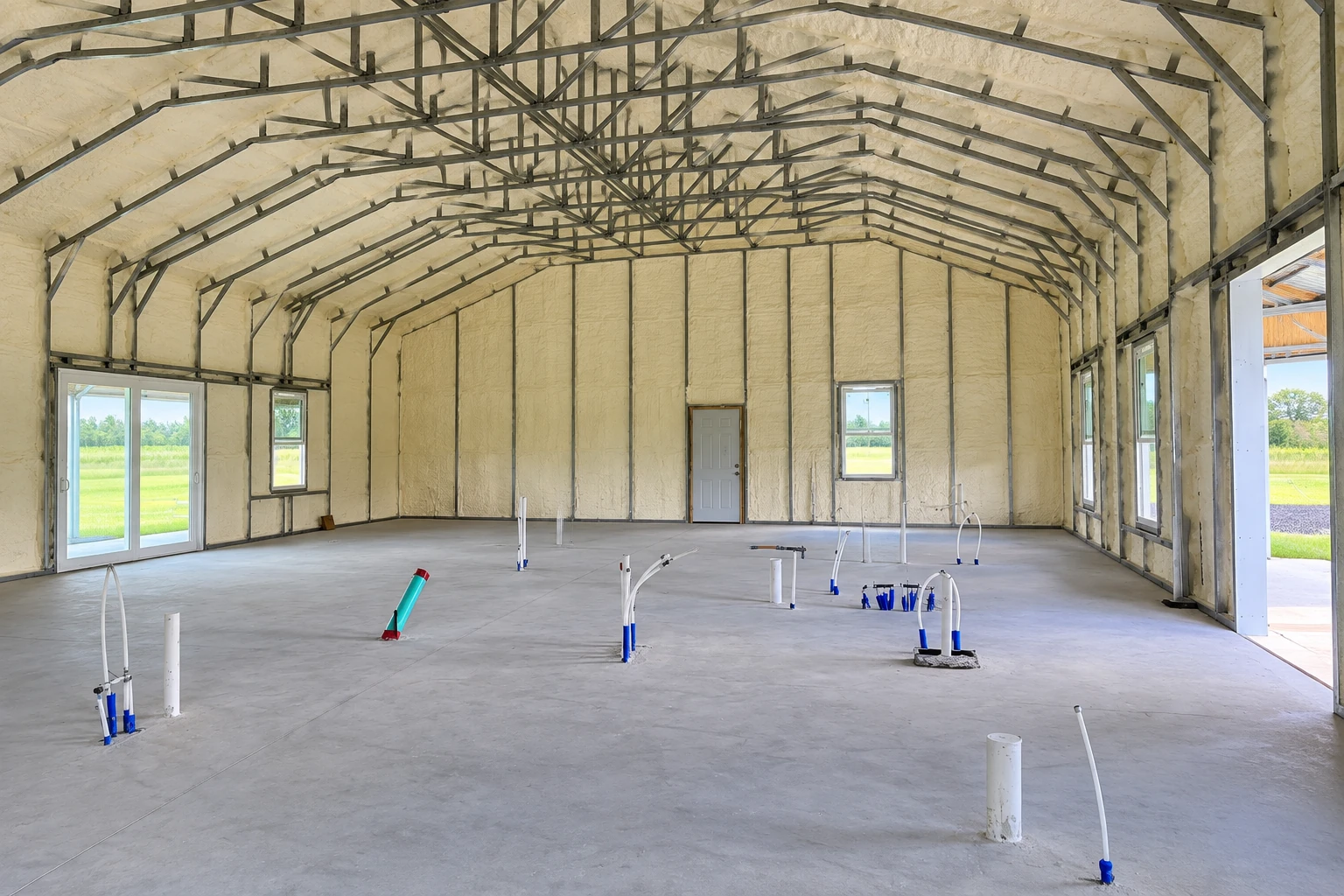
Foam goes on as a liquid and swells to fill every crack, so it seals and insulates at once. It's the right call where ductwork runs through the attic or a room over the garage needs a tight shell.
TempGuard Modesto Spray Foam Insulation insulates attics, walls and crawl spaces in Livingston, CA. We seal the gaps, clear out old or damaged insulation when it has to go, and add foam or blown-in where it does the most good.
Livingston sits in the northern San Joaquin Valley, at the north end of Merced County, down the valley from our home base in Modesto. The nearest long-run weather records come from the Modesto airport, about 20 miles away, where July averages a 95°F high and a 63°F low, and Livingston can run a little different. Either way, the roof bakes all afternoon, the attic gets far hotter than the yard, and most calls we get are about bedrooms that won't cool down and the room over the garage. I left an office job for this, and I don't miss it, though on a July afternoon I do miss the air conditioning.
What moves the price is how much attic, wall or crawl space you have, how many inches are already up there and what shape they're in, whether old material has to come out first, and whether you want foam or loose fill. Foam costs more because it seals air while it insulates, but in most attics sealing the gaps and topping up with blown-in does the job for less, unless your ductwork runs up there. The schedule turns on removal and on inspections, because work that needs one gets inspected before it's covered, and the city doesn't do building inspections on Fridays.
I come out, look in the attic and crawl space myself and write the estimate on site, so the number you get is for your house and not a guess over the phone. We do the same work in Delhi and Turlock, so a Livingston address is an easy trip for us.
Before we bury anything, I check for old wiring and wet spots in the framing, because once the insulation is down, nobody's going to look at them again.
We keep the eave vents clear and build the depth all the way out to the edges, so the attic still breathes and the thin spots over the outside walls get covered.
Before we tighten up a house, I check the water heater, furnace and anything else that burns gas, because sealing the gaps changes how those appliances get their air.
Foam goes on as a liquid and swells to fill every crack, so it seals and insulates at once. It's the right call where ductwork runs through the attic or a room over the garage needs a tight shell.
Most Livingston calls start up here. We count the inches already in place, seal the gaps around the hatch and lights, then build fresh material to an even depth across the whole attic floor.
Loose fill blown through a hose from our truck, so it reaches the tight corners at the eaves and tops up an older attic without tearing anything out. Once the gaps are sealed, it's usually the best value.
When several rooms never feel right, I look at the attic, walls and crawl space together and tell you which part is losing the most heat, so your money goes there first.
Insulation that's wet, matted or full of rodent droppings gets vacuumed out and bagged before anything new goes in. We show you what soaked it, so that gets fixed before the new layer goes down.
Cold floors in winter usually trace back to a bare or sagging crawl space. We check for moisture down there first, then fit insulation under the floor and fasten it so it stays put.
Older walls with little or nothing inside can be filled through small holes that get patched afterward, which helps the room that fights the air conditioner every afternoon.
Closing the gaps around pipes, wires, ducts and outlets before any insulation goes in. On a drafty house it often does more than another layer of insulation would, and it costs less.
Basements are rare around here, but when a house has one, we insulate the walls and the rim joist, the band of framing where the floor sits on the foundation, after dealing with any dampness.
Dense foam that blocks moisture and air, a good fit for crawl spaces and rim joists. It has a re-entry time, the wait before you can come back inside, and we tell you yours before we start.
Softer, lighter foam that seals air and quiets a room for less than closed-cell. It works well under a roof deck or inside walls where moisture isn't the worry.
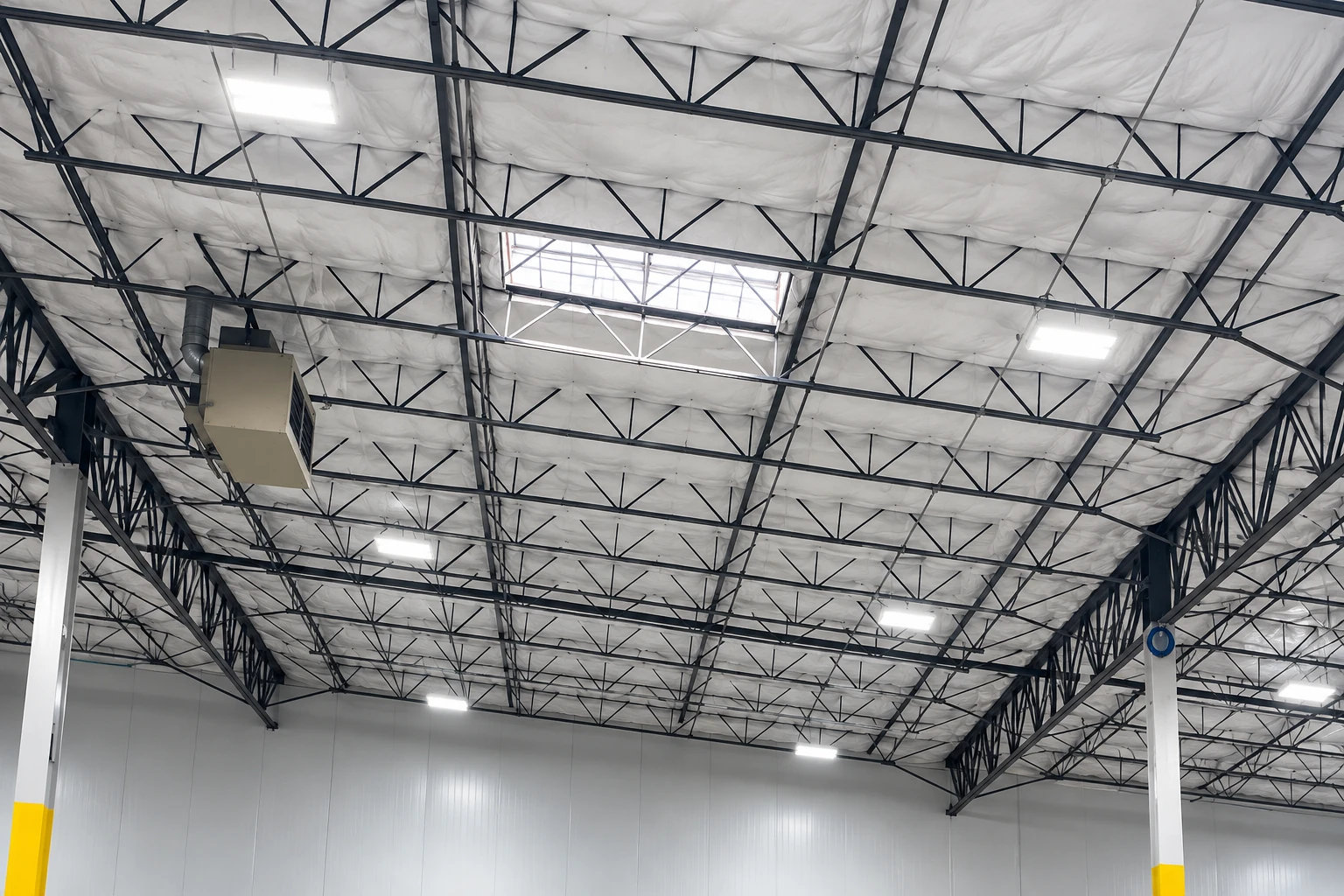
Shops, offices and rental units, including work for landlords between tenants. We schedule around your business hours and size the job to what the building actually needs, not the biggest package.
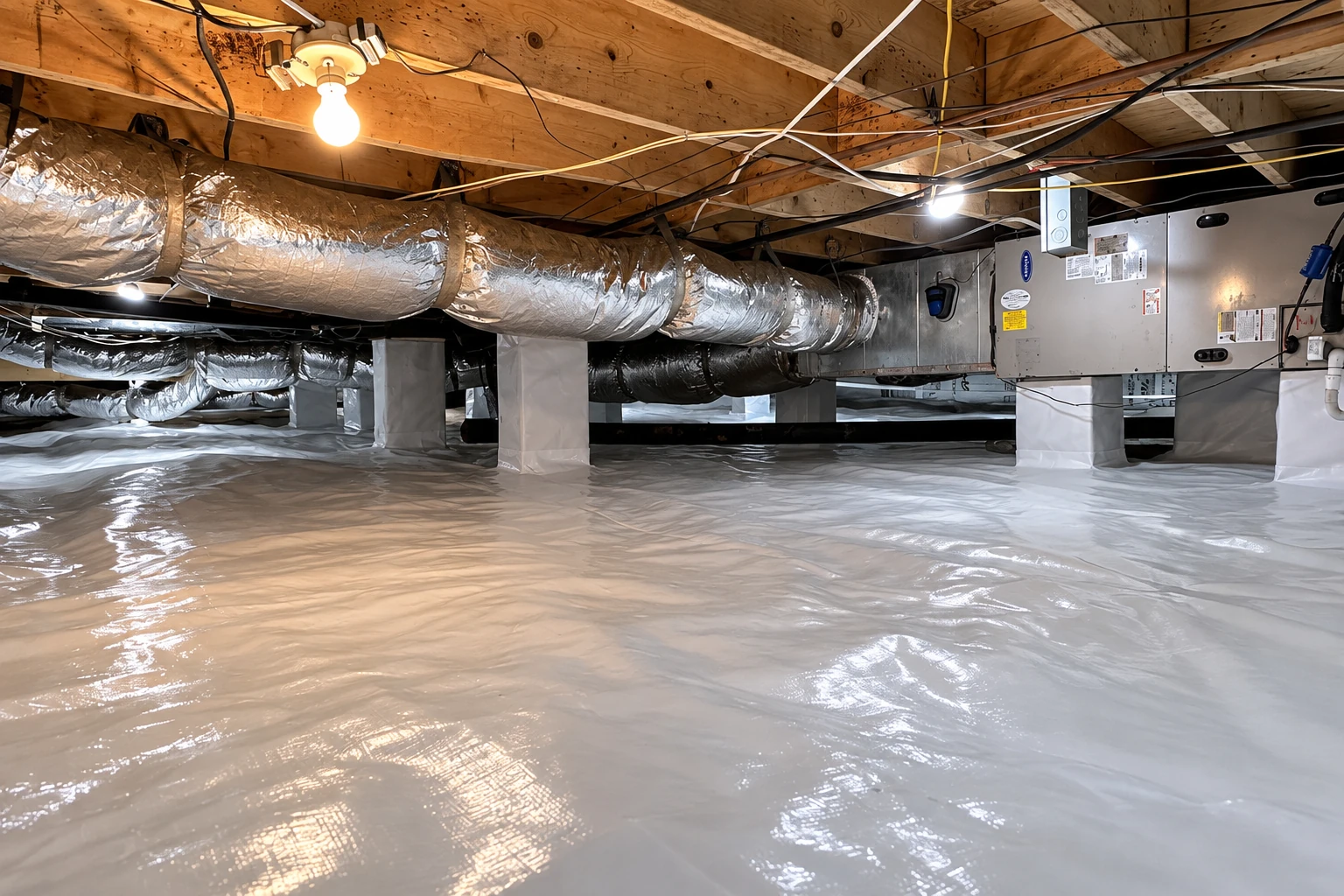
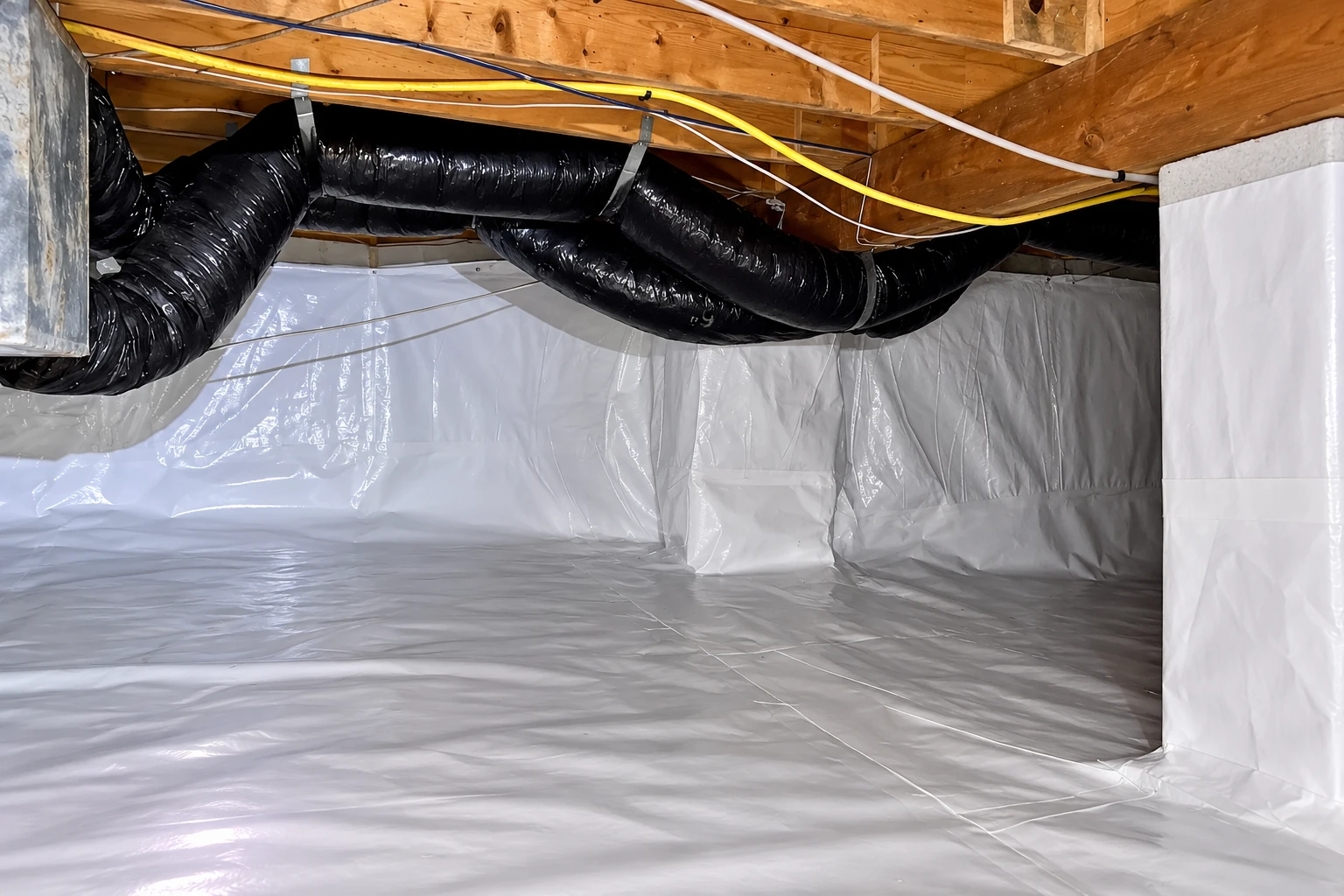
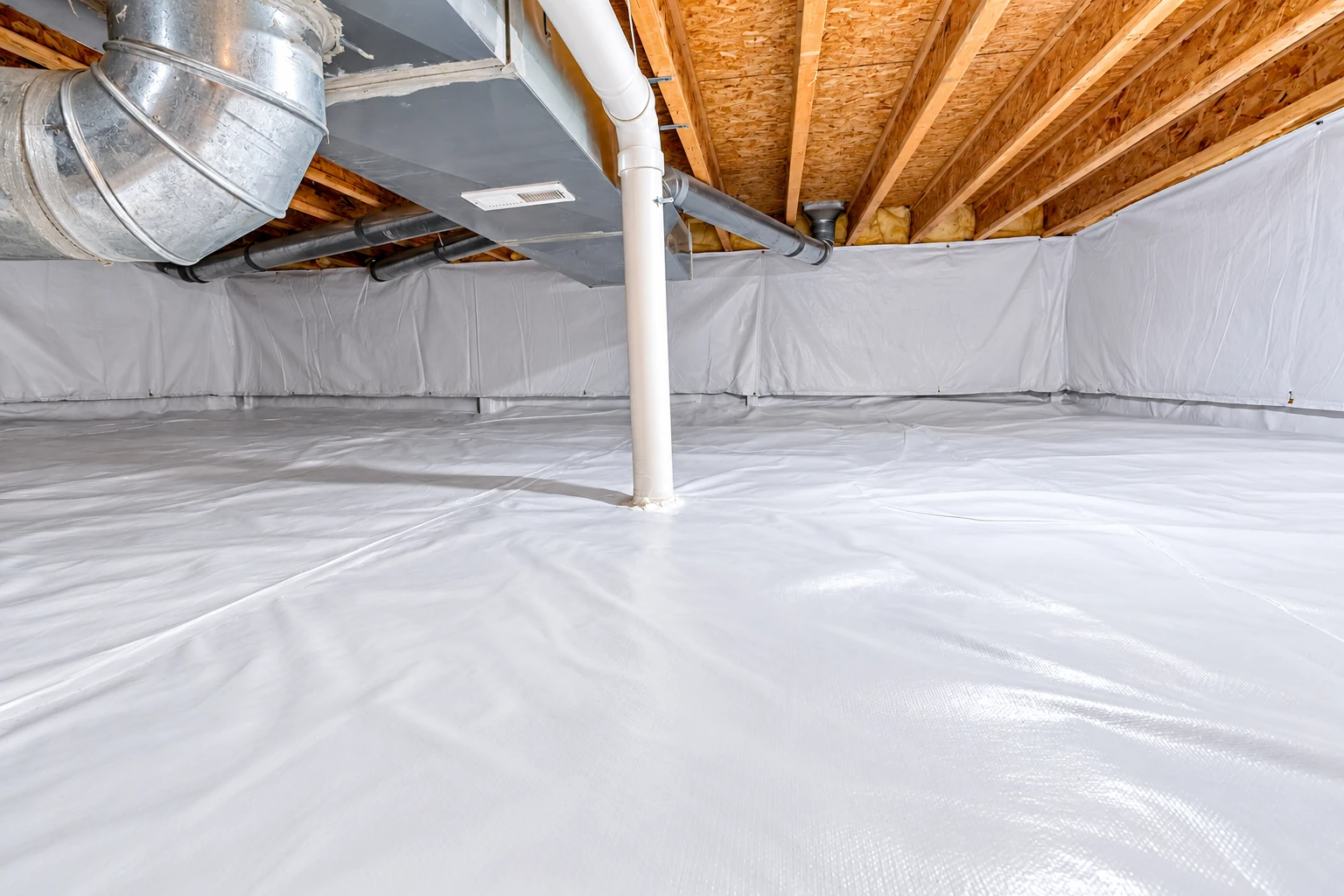
A heavy plastic sheet laid over the crawl space dirt with taped seams, so moisture from the ground stays out of the framing and the insulation above it stays dry.
A moisture layer set on the right side of the insulation in walls, floors or a crawl space, because on the wrong side it traps damp air inside the framing instead of keeping it out.
Sealing the tops of the walls, plumbing stacks, flues and can lights from above before insulation goes down, because hot attic air leaking into the house is what keeps rooms stuffy all evening.
Adding insulation to a finished older house without gutting it, working through the attic, the crawl space or small holes in the walls, so you keep your plaster and paint.
Send the form and we'll get back to you within one business day to set a time. I come out, look at the house myself and write the estimate, free and with no obligation.
I'll climb into the attic and crawl space and tell you what's there, including when a job isn't worth the money, because selling you insulation you don't need helps nobody.
Our installers do the work, and I come back to go over it with you at the end, so you see the finished job with the person who planned it.
We've been in business since 2013, we're licensed and insured, and the promise we make on every job is a simple one, satisfaction guaranteed.
Here's what Livingston homeowners ask most about permits, licenses and having insulation work done in the city.
The City of Livingston's Building Division issues building permits and inspects the work, so it has the final word on your job. I check whether yours needs one during the estimate. When it does, we pull the permit with whichever office has your address and set up the inspection before anything gets covered.
The city wants a waste bin on site before it issues a permit for extensive remodeling, such as reroofing or removing wall covering inside or out, and the building official can require one on other jobs depending on their size. All the waste goes in the bin, and the bin company hauls it off. If we're opening walls, we plan for one.
Yes, for work worth $500 or more in labor and materials, the Contractors State License Board says a state-licensed contractor has to do it. The board also says a down payment on a home improvement job can be no more than $1,000 or 10 percent of the contract price, whichever is less. Check the board's site for its current rules.
Usually not for blown-in and air sealing, since the work happens up in the attic and the house stays livable. Spray foam is different because of its re-entry time, so you, the kids and the pets stay out until it passes. I'll tell you which applies to your job and how long when I write the estimate.
These are the cities with their own page on our site, and we work in plenty of others around them. If yours isn't listed, call and ask whether we come out your way.
Call (209) 222-5441 any day from 7 AM to 11 PM, or send the form, and tell us which rooms won't stay comfortable.