
Roofs over offices and stores
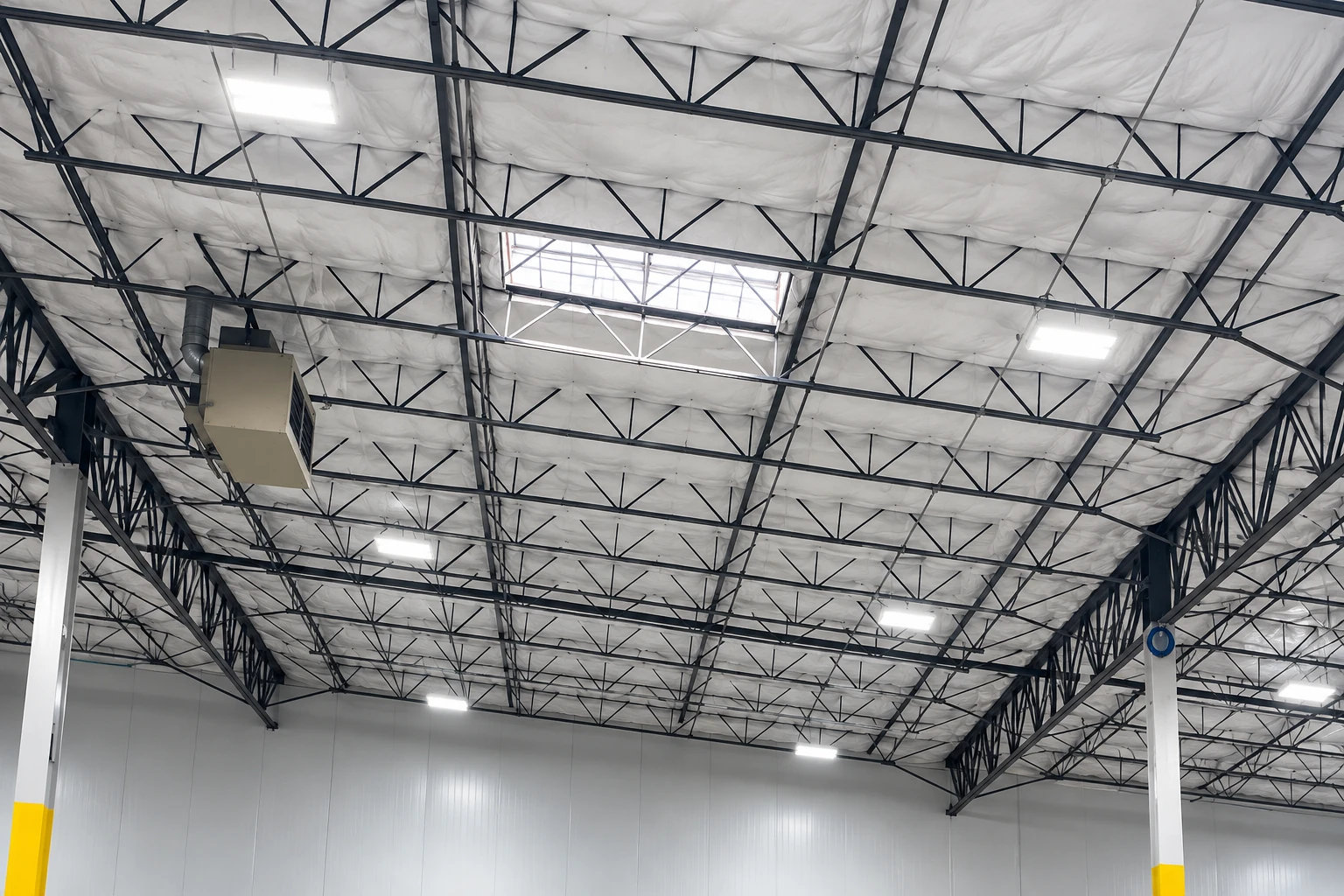
Flat roofs over offices and retail space let afternoon heat straight down to the ceiling, so we insulate at the deck or above the drop ceiling, whichever the building allows.
Office too hot by afternoon, shop too loud, or a reroof coming up? We plan the insulation so it's in before the building closes up.
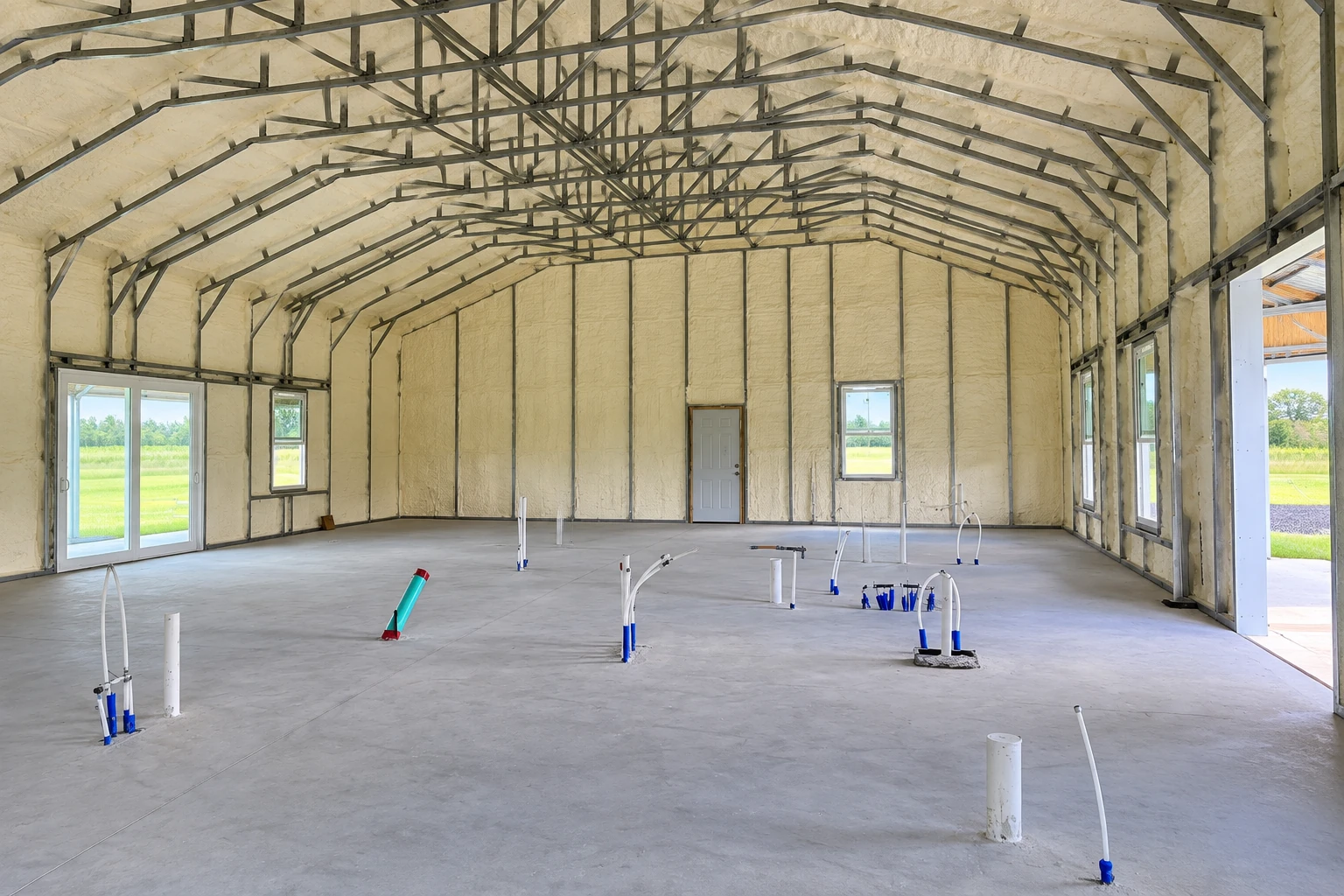
Commercial insulation in Modesto means putting insulation, and sometimes sound-absorbing panels, into offices, shops, warehouses and metal buildings so they hold their temperature and carry less noise. TempGuard Modesto Spray Foam Insulation plans that work around your reroof or tenant improvement.
The building is what moves the price. That means the square footage, whether we're working from a roof deck, a drop ceiling or open framing, what's already up there and whether it has to come out, and how many gaps need sealing. Foam costs more and seals air while it insulates, so I'll recommend it under a metal roof or where ductwork runs through the space, and I'll tell you when sealing plus batts will do the job for less.
The schedule usually follows your project, so the roofer's start date, the build-out timeline and the inspection set our dates. We're licensed and insured, and when a job needs a permit, we pull it with whichever office has your address, city or county. Your estimate is where you get the number for your building.
I walk every building myself before anything gets priced. We've been at this since 2013, and I'd rather tell you a job isn't worth it than sell insulation you don't need.
We close the gaps around pipes, ducts and the roof deck before insulation goes in, and we fix the leak or the old wiring first, because insulation laid over a problem just hides it.
Our installers do the work, and I go over it with you when they finish, so you see what went where before the ceiling tiles go back or the roofer closes it up.
Every commercial estimate names each product we plan to install, up front, so you, your landlord or your architect can check it against the plans before anything goes in. It also means the product on the job is the one you agreed to.
Then we line the insulation up with your reroof or tenant improvement so it's in before the building gets closed in, because getting into a finished ceiling later means tearing it back open. While everything is open, we keep the coverage full out at the edges, where it usually runs thin, leave the vents clear, and check anything that burns fuel before we make the space tighter.
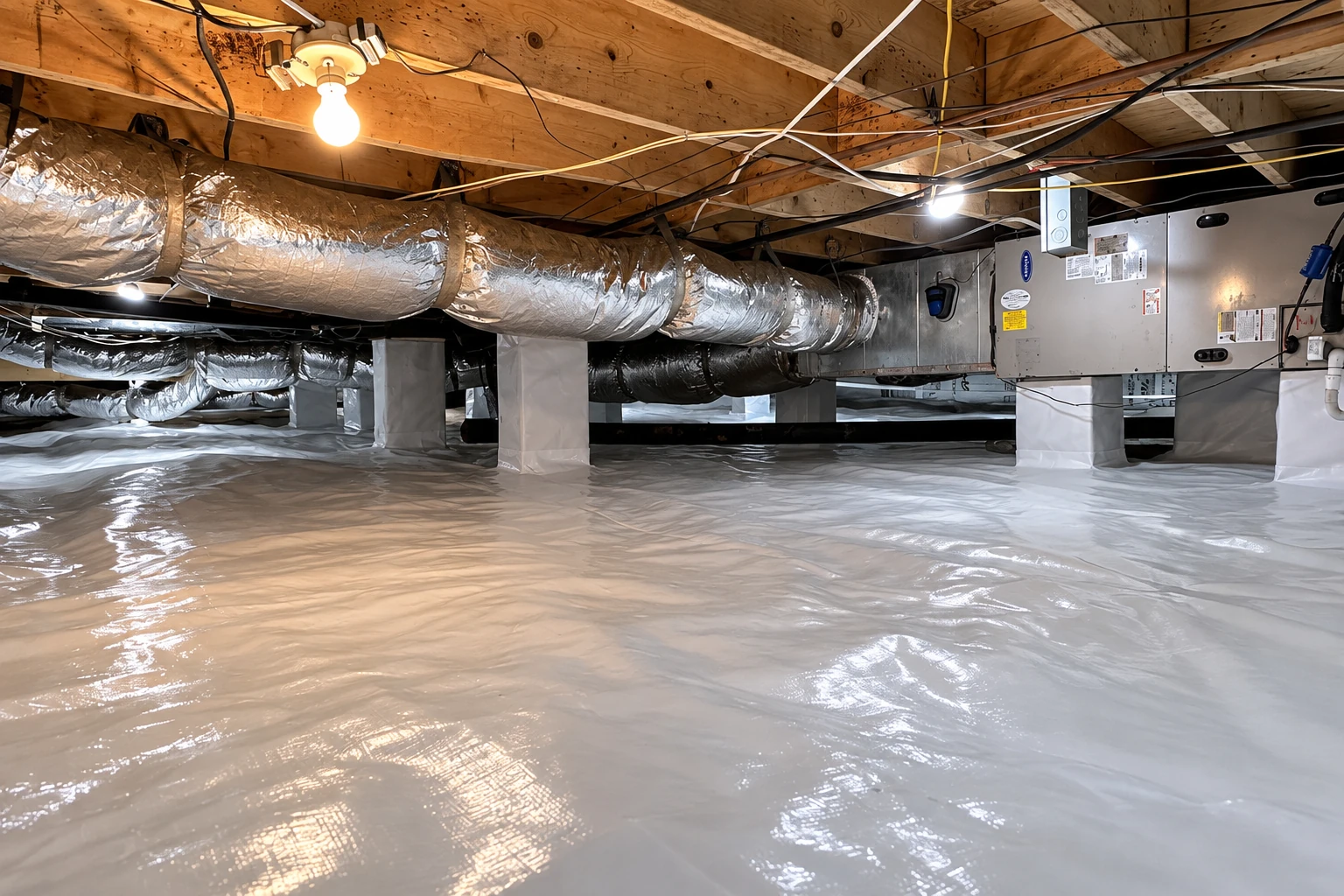
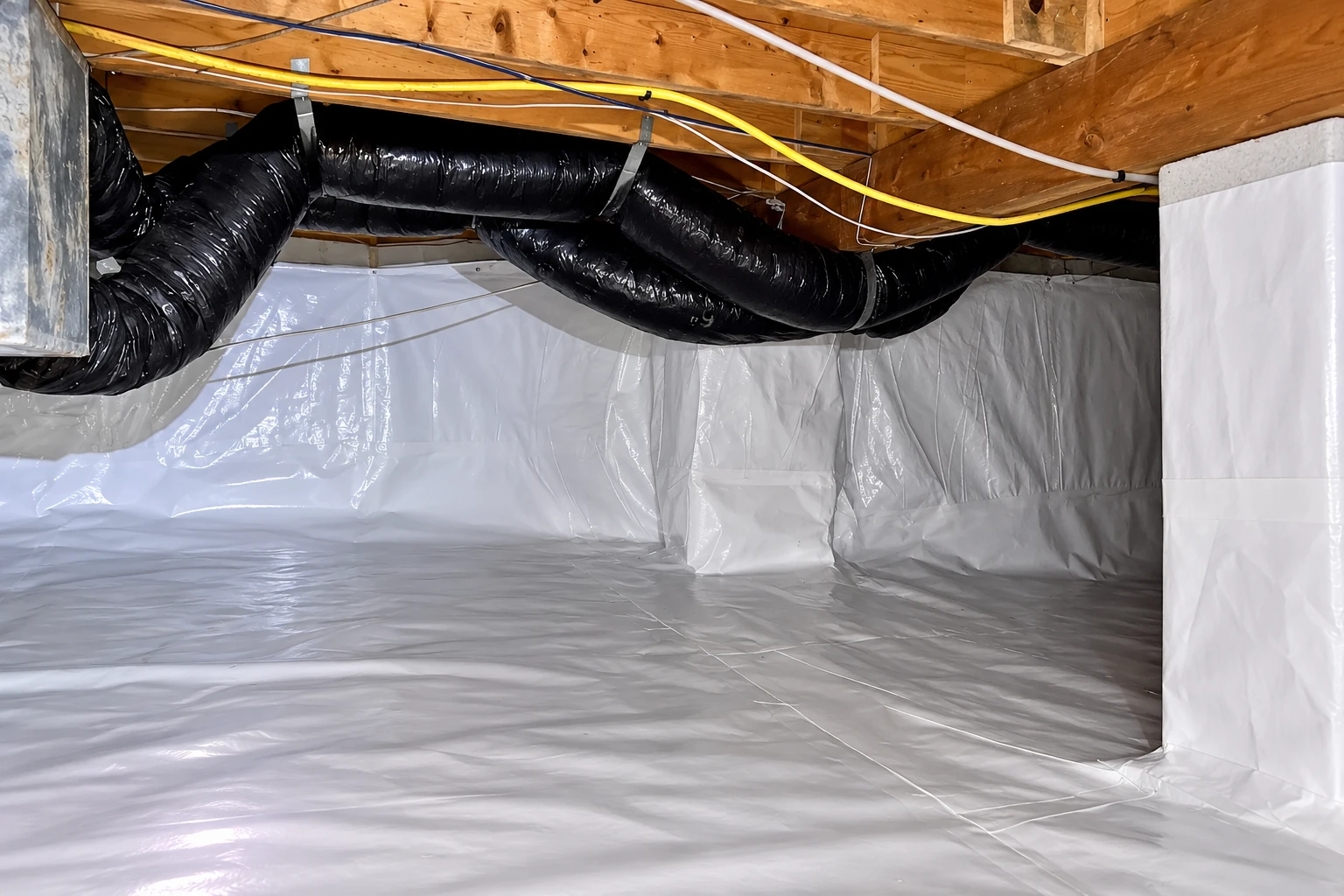
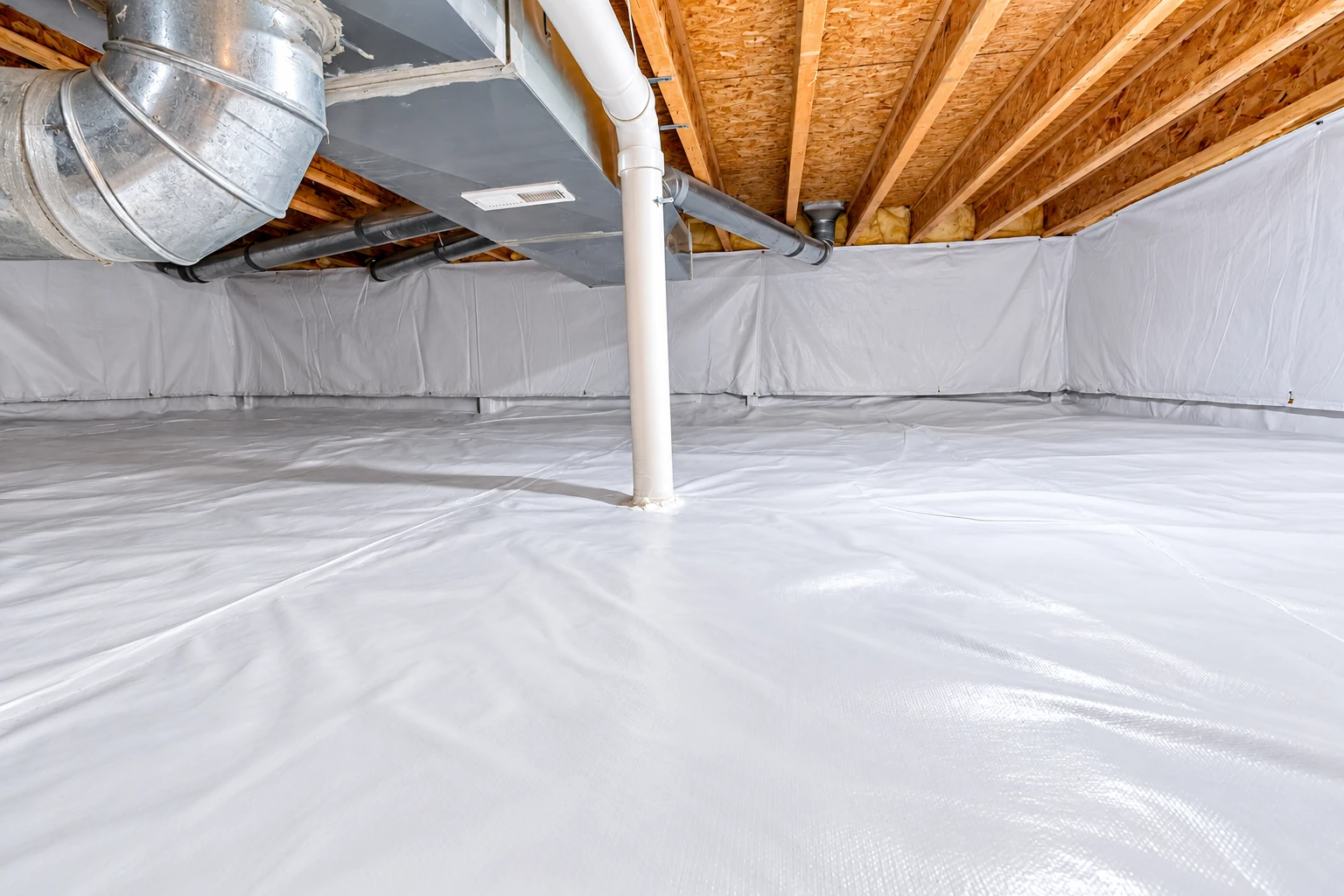
Moisture is often the other half of the job. A metal building or a damp wall may need vapor barrier installation done along with the insulation, and an older office or storefront on a raised floor may need a crawl space vapor barrier before the floor above will stay dry.
Flat roofs over offices and retail space let afternoon heat straight down to the ceiling, so we insulate at the deck or above the drop ceiling, whichever the building allows.
A new suite means new walls and ceilings, and insulation between tenants keeps one business's noise and heat out of the next once the drywall and ceiling tiles go up.
A bare metal roof sweats on cold mornings and drips on whatever sits below. Insulation installed right with a vapor retarder, a layer that slows moisture, keeps that condensation off the inside surfaces.
Insulation blocks road and yard noise from outside and soaks up the echo in open rooms, which matters in offices, clinics and anywhere people are on the phone all day.
Send the form and we'll get back to you within one business day to set a time. I come out, look at the building and write a free estimate, with no obligation.
Give us the address and the rough square footage, so I know which office handles the permit and can plan enough time to walk the whole space.
A metal roof, flat roof, drop ceiling or open framing each changes what we'd install, so a quick description or a few phone photos helps me come out prepared.
If a reroof or tenant improvement is planned, send the dates and your contractor's contact, because the insulation has to go in before the building gets closed in.
These photos show finishes and layouts like spray foam under metal roofs, faced batts in open framing and sealed ceiling spaces to compare.
Here's what property managers and business owners ask most about reroofs, permits, licenses and the products that go into a commercial building.
It can. The state's Energy Code roof rules apply once 50 percent or more of the roof area, or more than 2,000 square feet, is altered, whichever is less, and above that a replaced or recovered roof can require the altered area insulated to code levels. Those levels follow your building's climate zone, so we plan insulation into the roofing job from the start.
The City of Modesto requires permits for construction to make sure it meets life safety and building codes, and it asks for building plans on most projects, with separate requirements for commercial tenant improvements. The inspection is requested online before permitted work gets covered. We set that inspection up so it happens before the insulation is closed in.
California's licensing rules set a C-2 Insulation and Acoustical Contractor classification for installing insulation for temperature or sound control. Before you hire anyone, ask for their license and proof of insurance, and check the license with the state licensing board. We'll show you ours at the estimate.
Yes. Batts, the precut blankets of insulation, only work as well as the separate air sealing that closes the gaps where air leaks. Any batt quote should spell out the air sealing parts and details that come with it, and ours does, since we seal before we insulate.
Ask the installer to name each product and confirm the state Department of Consumer Affairs has certified it, because uncertified insulating materials can't be installed in California. Where faced fiberglass or mineral wool stays exposed, the backing layer has to be a fire-retardant facing that's tested and certified. Our estimate names every product, so you can check before we start.
We pick up seven days a week, 7 AM to 11 PM, so call (209) 222-5441 or send the form once your workday settles down.