
Spray foam insulation
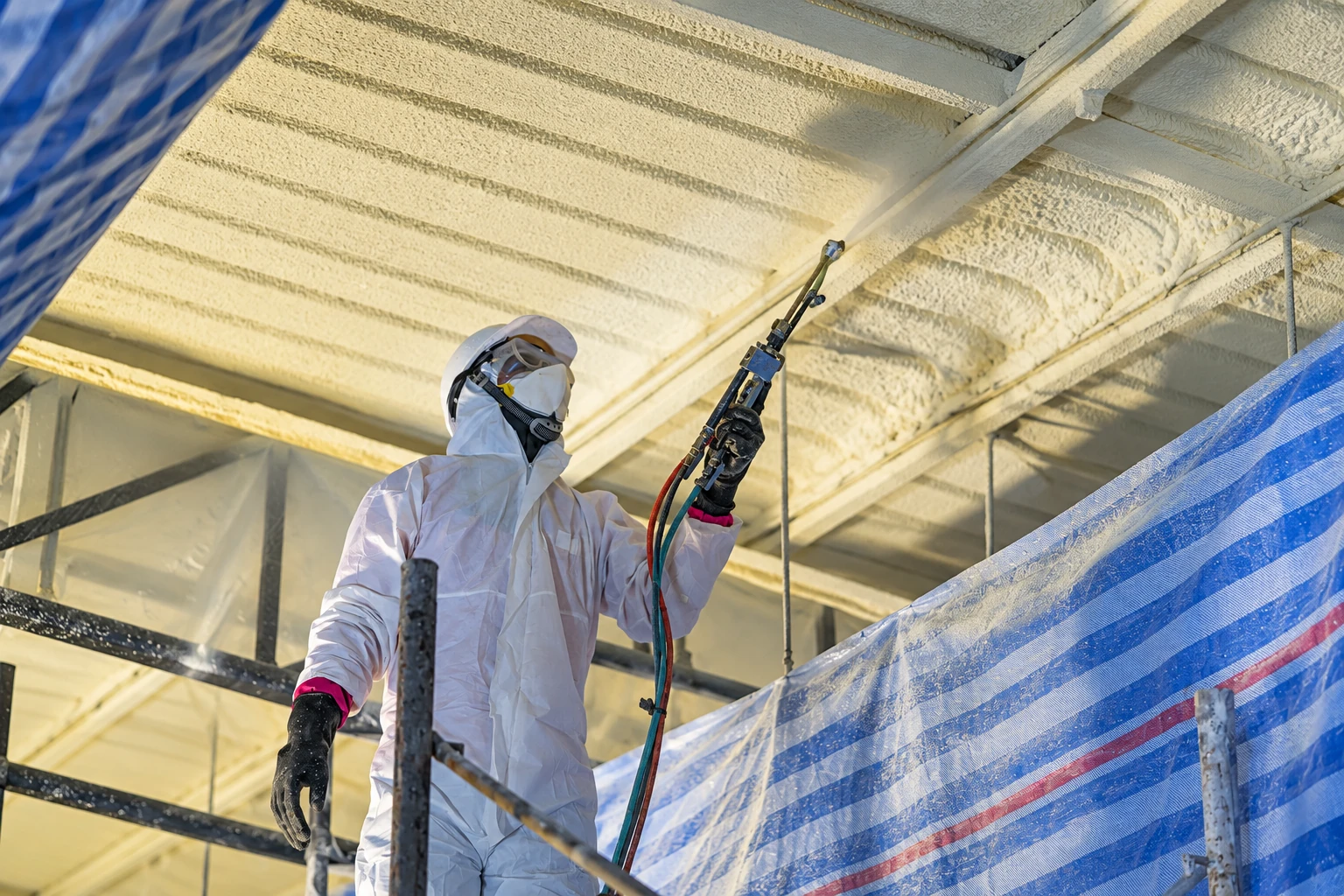
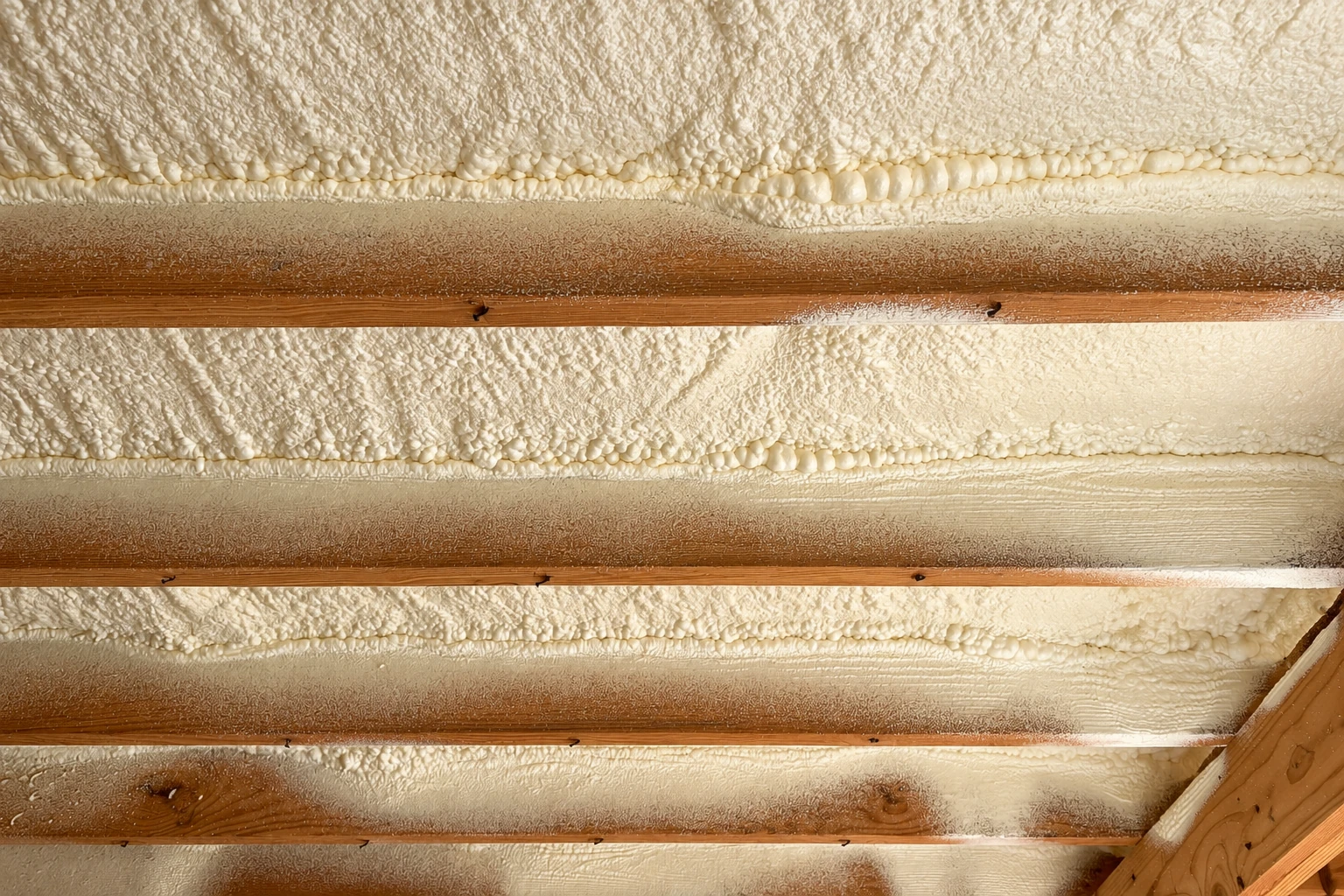
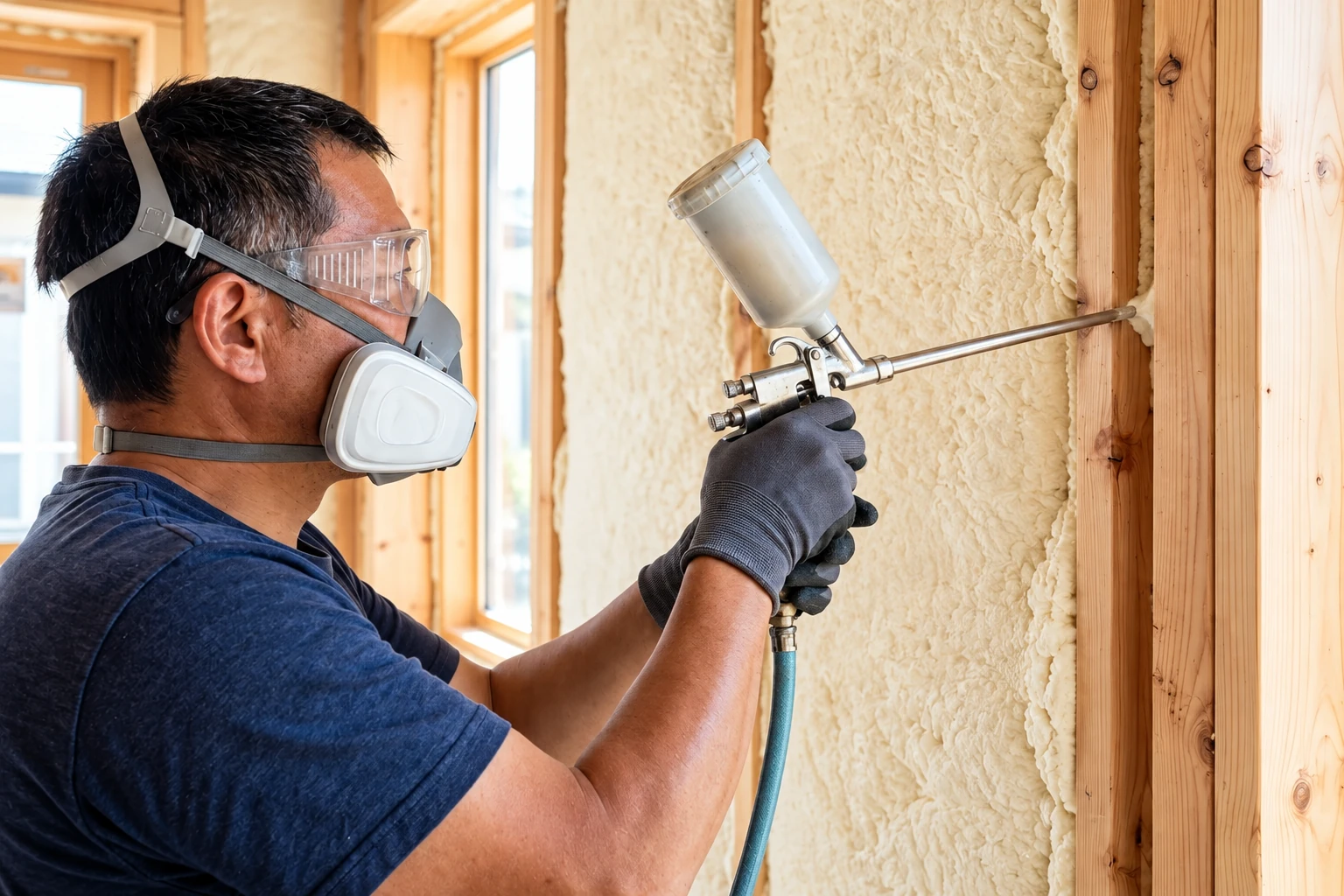
Spray foam seals air and insulates in one pass, which makes sense when your ductwork runs through the attic. It costs more than loose fill, and if it won't pay off on your house, I'll say so.
TempGuard Modesto Spray Foam Insulation insulates and air seals homes in Delhi, CA, from attics and crawl spaces to walls, shops and the room over the garage that won't stay comfortable. We're based in Modesto.
Delhi is farm country on the Merced County side, just across the Merced River from Livingston. The houses we see there run from older places with next to nothing in the walls to newer ones that got the bare minimum in the attic and nothing since, plus the odd shop or detached garage. The calls sound like the ones we get in Waterford and back home in Modesto. The back bedroom is hot, the floors are cold, and the power bill keeps climbing.
The price moves with the size of the attic, how many inches are already up there and what shape they're in, how much air sealing the house needs to close its gaps first, and whether you want foam or loose fill. The schedule mostly turns on whether old insulation has to come out first and whether the job needs a county permit and an inspection before the work gets covered. Your own number comes from the estimate, once I've seen the house.
I come out myself, look at the attic and crawl space, and write the estimate. If a job isn't worth the money, I'd rather tell you than sell it to you.
A wet spot in the ceiling or old wiring in the attic gets dealt with first, because once fresh insulation is on top of it, nobody's going to find it.
A furnace or water heater inside the house needs air to burn right, so I check those before we seal the place up, not after we've made it tighter.
Spray foam seals air and insulates in one pass, which makes sense when your ductwork runs through the attic. It costs more than loose fill, and if it won't pay off on your house, I'll say so.
Most comfort calls start in the attic. We measure the inches already up there, look for wet spots and droppings, and seal the gaps before we add anything on top.
Blown-in is loose fill blown through a hose, and it's usually the best value for topping up an attic. We keep it full out to the edges, where attics run thin, and keep the eave vents clear.
When several rooms feel off, we look at the whole house, from the attic and walls to the floor over the crawl space, and tell you what to fix first and what can wait.
Old insulation that got soaked or full of droppings comes out before anything new goes in, because covering it just buries the problem. We bag it, haul it off and clean up.
Cold floors usually mean the crawl space. We check for standing water and fallen material down there first, then insulate the floor above so the heat stays in the rooms you live in.
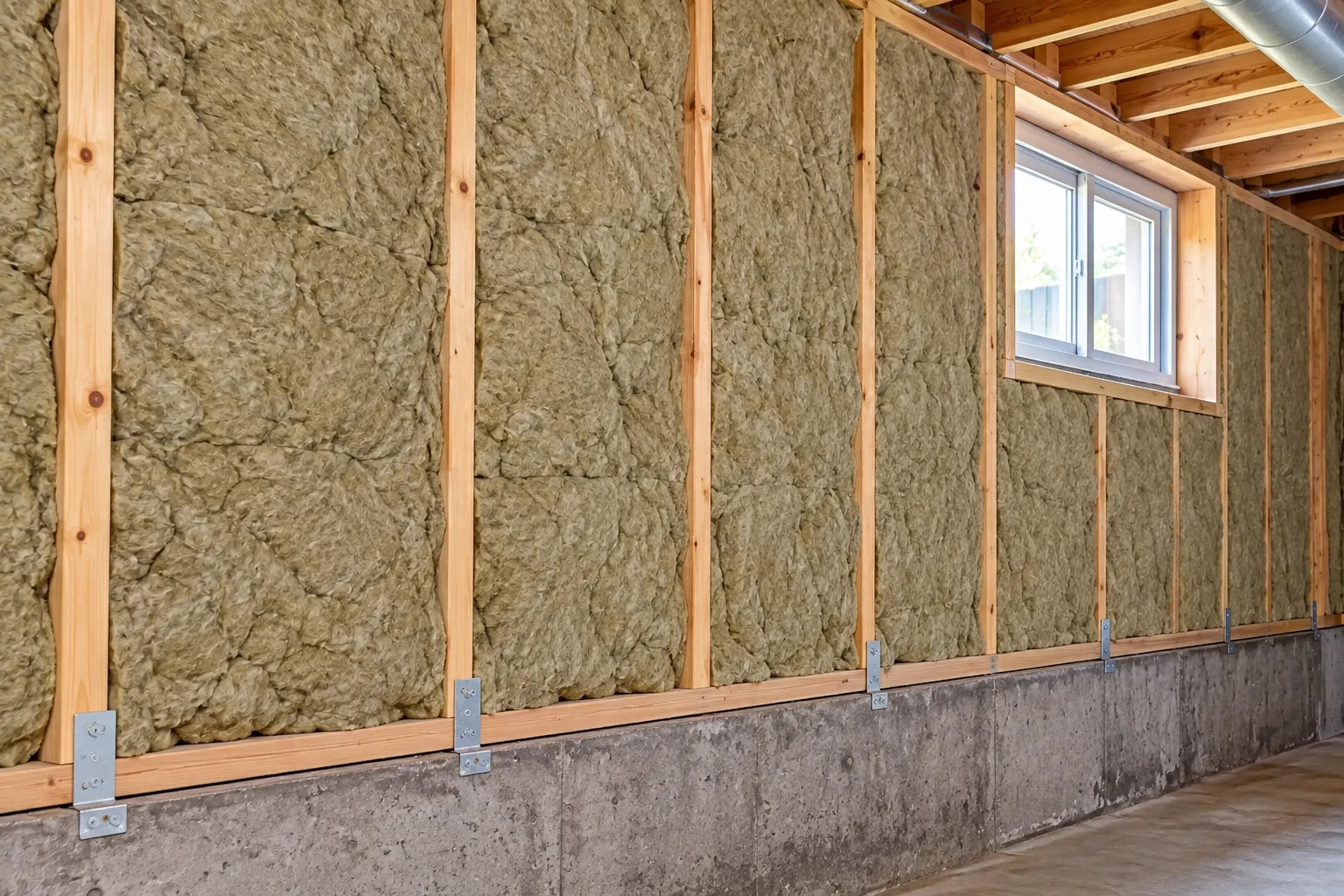
Older walls are often empty or close to it. We fill them through small holes from inside or out, check each cavity so the fill doesn't hang up halfway, and patch the holes.
We close the gaps around pipes, wires, can lights and the attic hatch. Skip that step and new insulation spends its life fighting a draft, which is a lot like my old office job.
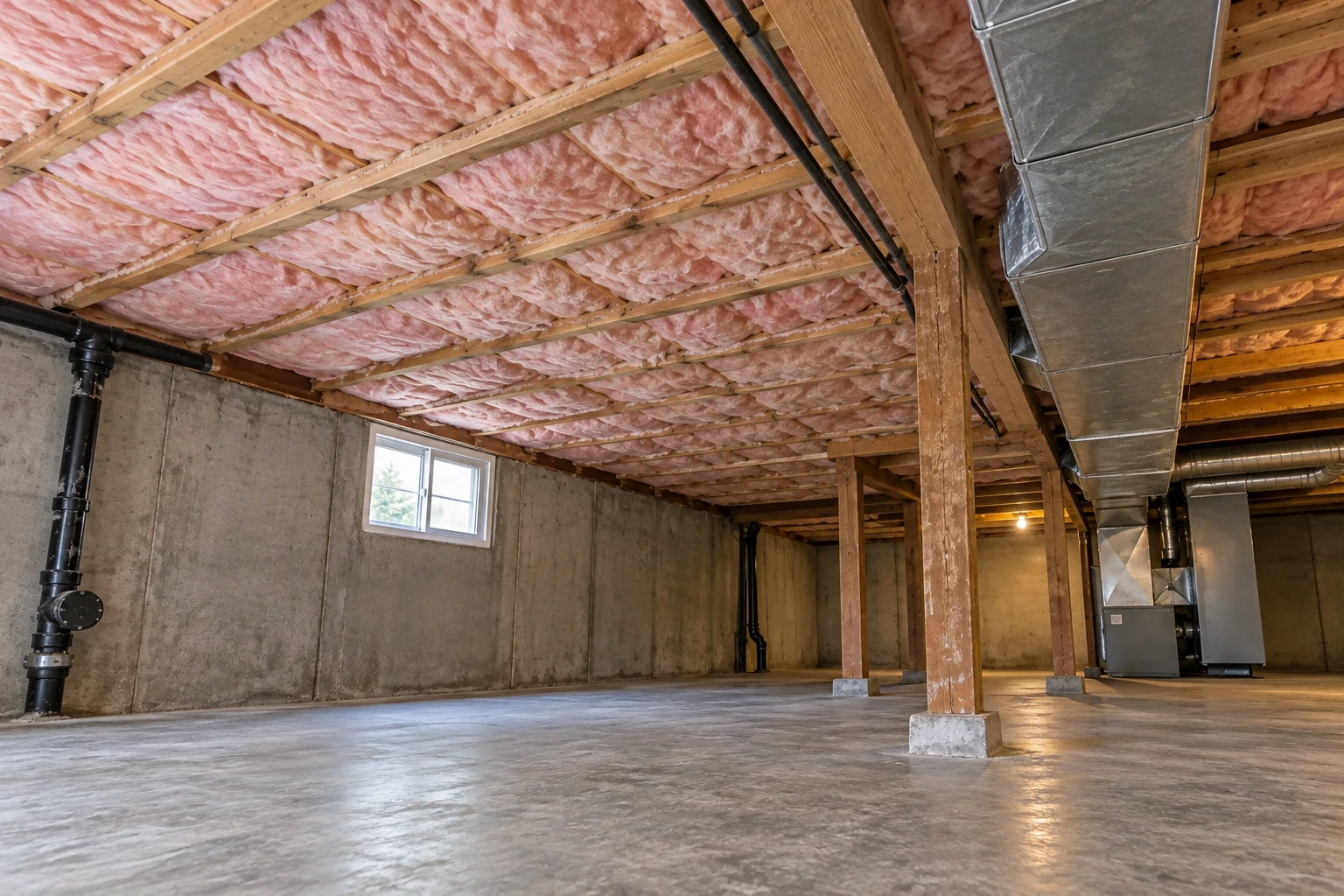
Where a house has a basement or a dug-in room below grade, we insulate the walls and the rim along the top of the foundation with material that can handle damp concrete.
Closed-cell foam is dense foam that blocks moisture as well as heat. We use it where water is the worry, like a crawl space or a metal shop building, and skip it where it's overkill.
Open-cell foam is softer and lighter, and it fills odd roof lines and tight framing well. It's a solid choice for sealing the underside of the roof when the ductwork lives in the attic.
We insulate shops, offices and farm buildings too. I walk the building first, check anything that burns fuel inside, and we plan the work around the hours you need the place open.
This is heavy plastic laid over the crawl space dirt to keep ground moisture out of the floor framing. If there's standing water, we sort that out first so the plastic isn't just hiding it.
Where moisture can move through a ceiling, wall or floor, we put the barrier on the correct side of the insulation, because on the wrong side it traps water in the framing instead of stopping it.
Before an attic gets topped up, we seal the tops of the walls, the can lights, the pipe holes and the hatch from above. It's the cheap part of the job and usually the part that matters most.
This is adding insulation to a house that's already finished without tearing it apart. We work in through the attic, the crawl space and small holes in the walls, then patch and clean up.
Send the form and we'll get back to you within one business day to set a time. I come out, look at the house and write the estimate, free and with no obligation.
Hot upstairs, cold floors, a drafty room or a power bill that won't come down. Whatever you put in the form tells me where to start looking when I come out.
If you can, clear the way to the attic hatch and the crawl space opening before the visit, so I can get up there and see what you actually have.
Our installers do the job, and I go over it with you at the end so you see the sealing and the coverage. We're licensed and insured. Satisfaction guaranteed.
Delhi answers to Merced County rather than a city, which changes who you call for a few things. Here's what homeowners usually ask.
The Merced County Building and Safety Division issues building permits for the unincorporated parts of the county, and that includes Delhi. A parcel inside a city's limits goes to that city instead. Whether your insulation job needs a permit is the county's call, and when it does, we pull it and set up the inspection before the work gets covered.
Yes. The county requires a valid Merced County Business License for every business working in its unincorporated areas, Delhi included. You can look up a company's license status on the county's permit and license portal, and it's a quick check worth doing before anyone starts in your attic.
Usually not, unless the job is spray foam. With blown-in loose fill you can stay home and keep the kids and pets out of the work area. With spray foam, everyone usually clears out while we spray and stays out until the re-entry time, the wait before it's safe to come back in, which I'll give you for that product before we start.
These are the cities with their own page on our site, and we work in others across Stanislaus, San Joaquin and Merced counties. If yours isn't listed, call and ask.
Call (209) 222-5441 any day from 7 AM to 11 PM, or send the form tonight while the hot room is still on your mind.