
Bare walls, sprayed foam
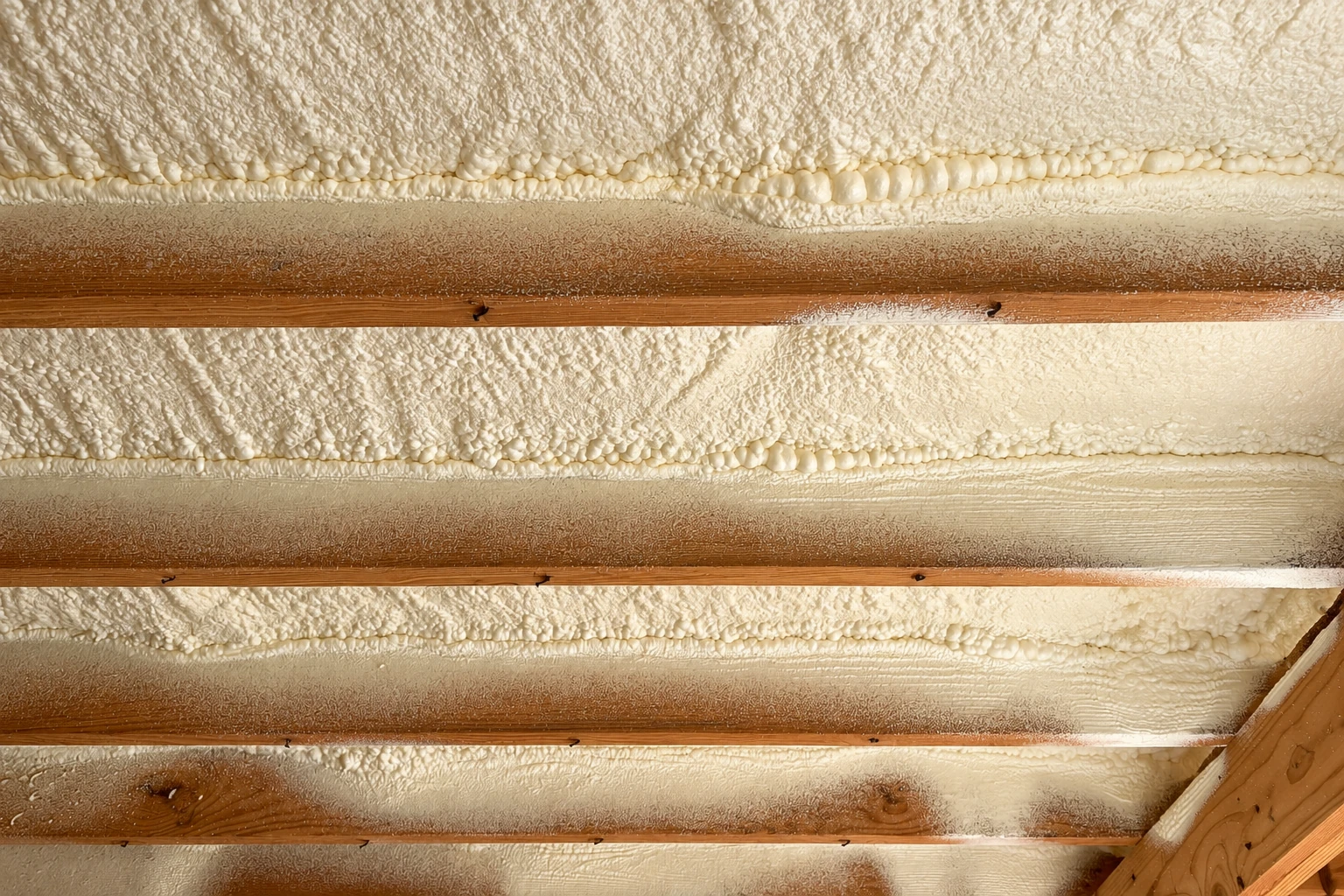
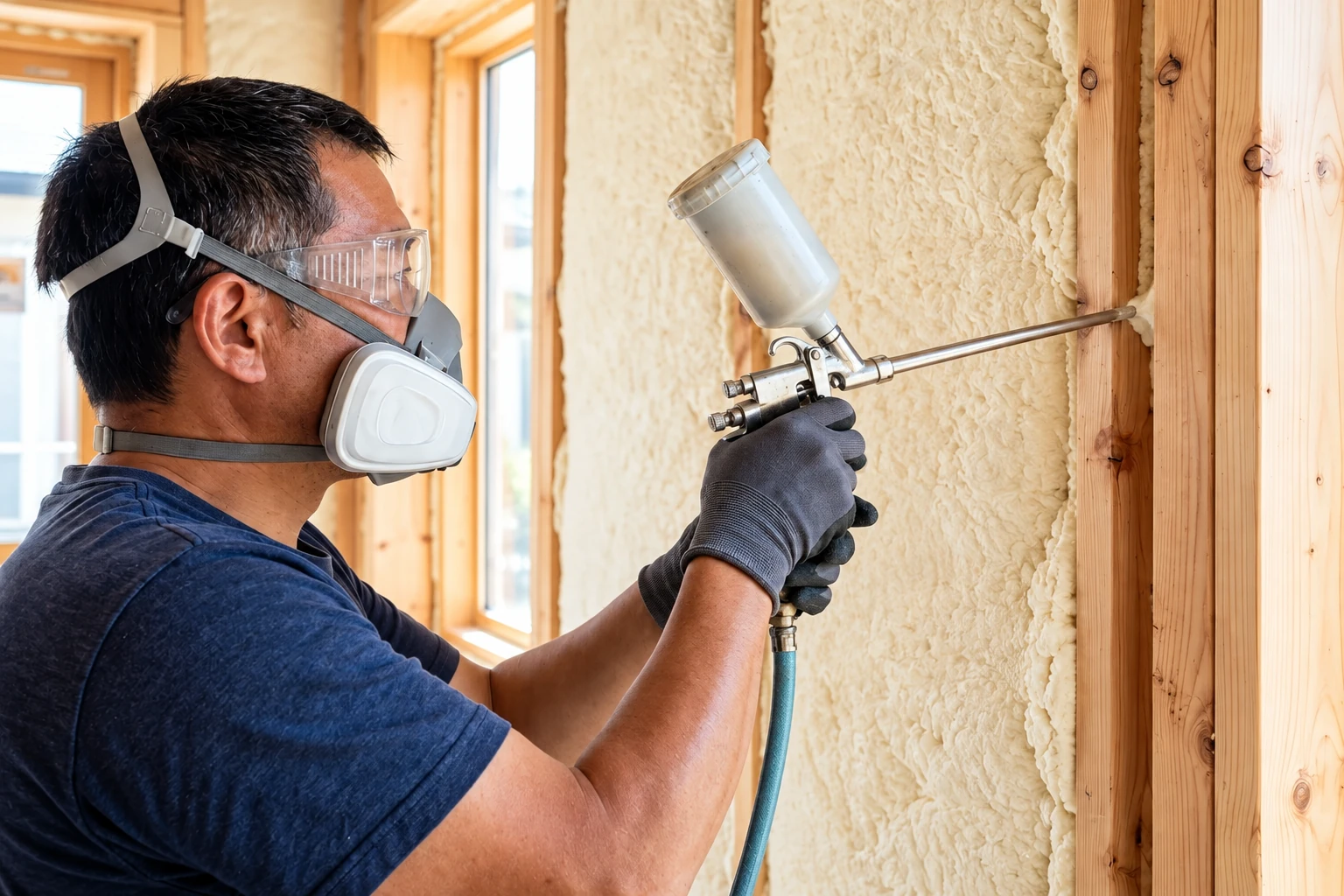
Foam goes straight onto the concrete and seals the gaps as it insulates. It costs more than the other routes, and a room left unfinished needs a fire-rated layer over it.
Cold, damp-feeling walls and a basement nobody uses? We insulate in the right order, so you end up with a room worth using.
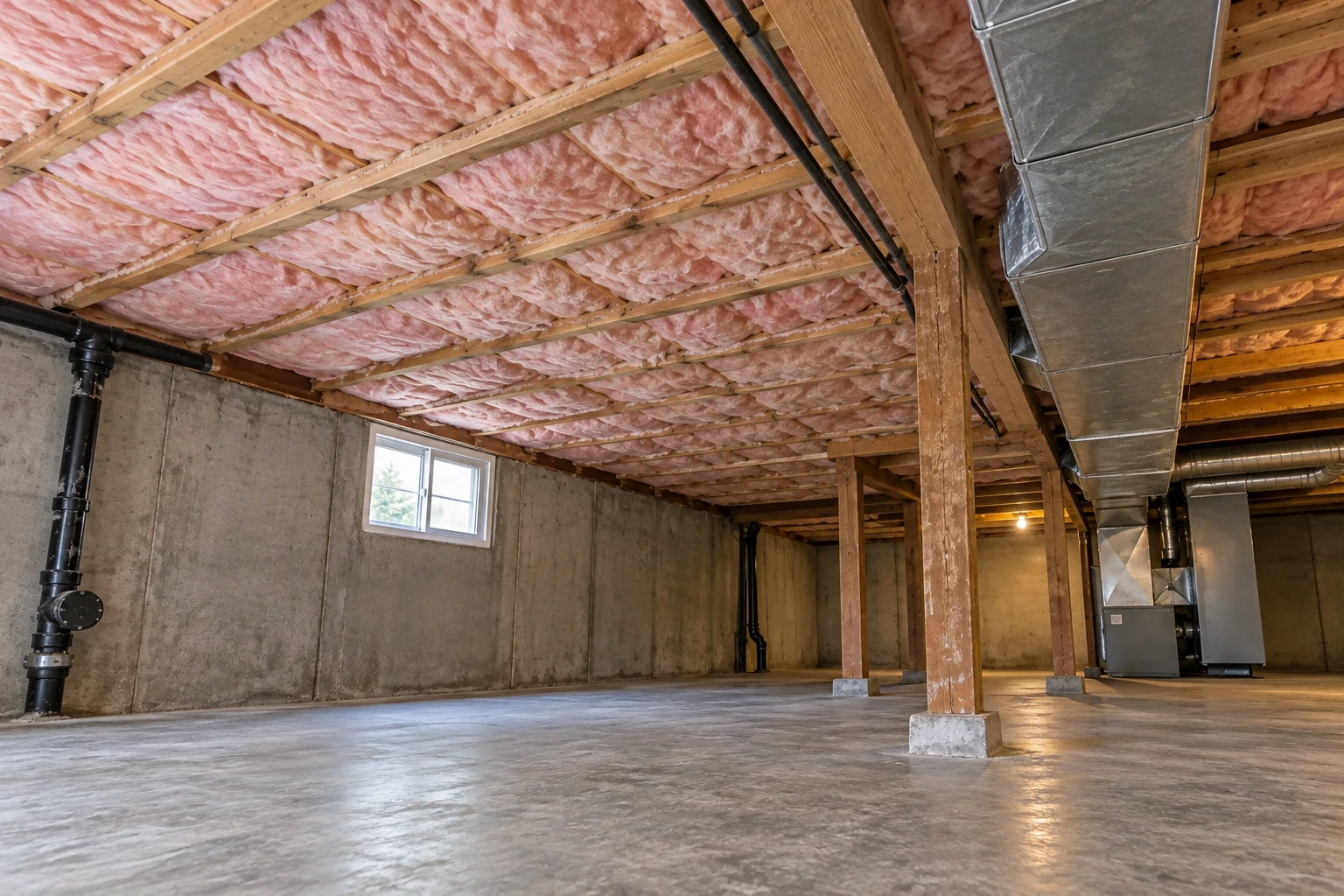
Basement insulation in Modesto means insulating the foundation walls from the inside, since digging out around an existing house is rarely practical, and it gives you a below-ground room comfortable enough to actually use.
Most calls start with a room down there that won't stay comfortable, so it turns into storage. Before anyone talks foam or batts, I come out, look at the walls myself and write the estimate, and if the job isn't worth your money I'll tell you that instead.
The price moves with how much wall there is, whether the basement is bare or finished, whether you go with foam or a framed wall, and whether foam needs a fire-rated covering on top. The schedule turns on any water or wiring that has to be fixed first and, if the job needs a permit, the inspection before new walls get covered. Your estimate puts your own figure on all of it.
I come out myself, look hard at the walls and write the estimate. If insulating your basement isn't worth the money, you'll hear that from me before you spend any of it.
A wet spot or old wiring gets dealt with before we bury it, because insulation over a problem just hides it until it costs more to reach and fix.
Our installers do the work, and I come back at the end to walk through it with you, so you see what went in, where it went and why.
Water comes first. I look for water coming in and walls that stay damp, because insulation over a wet wall just seals the problem in behind it. If the ground outside slopes toward the house, federal guidance calls for regrading it so water runs away from the foundation, and that's worth sorting out before anything goes on the inside.
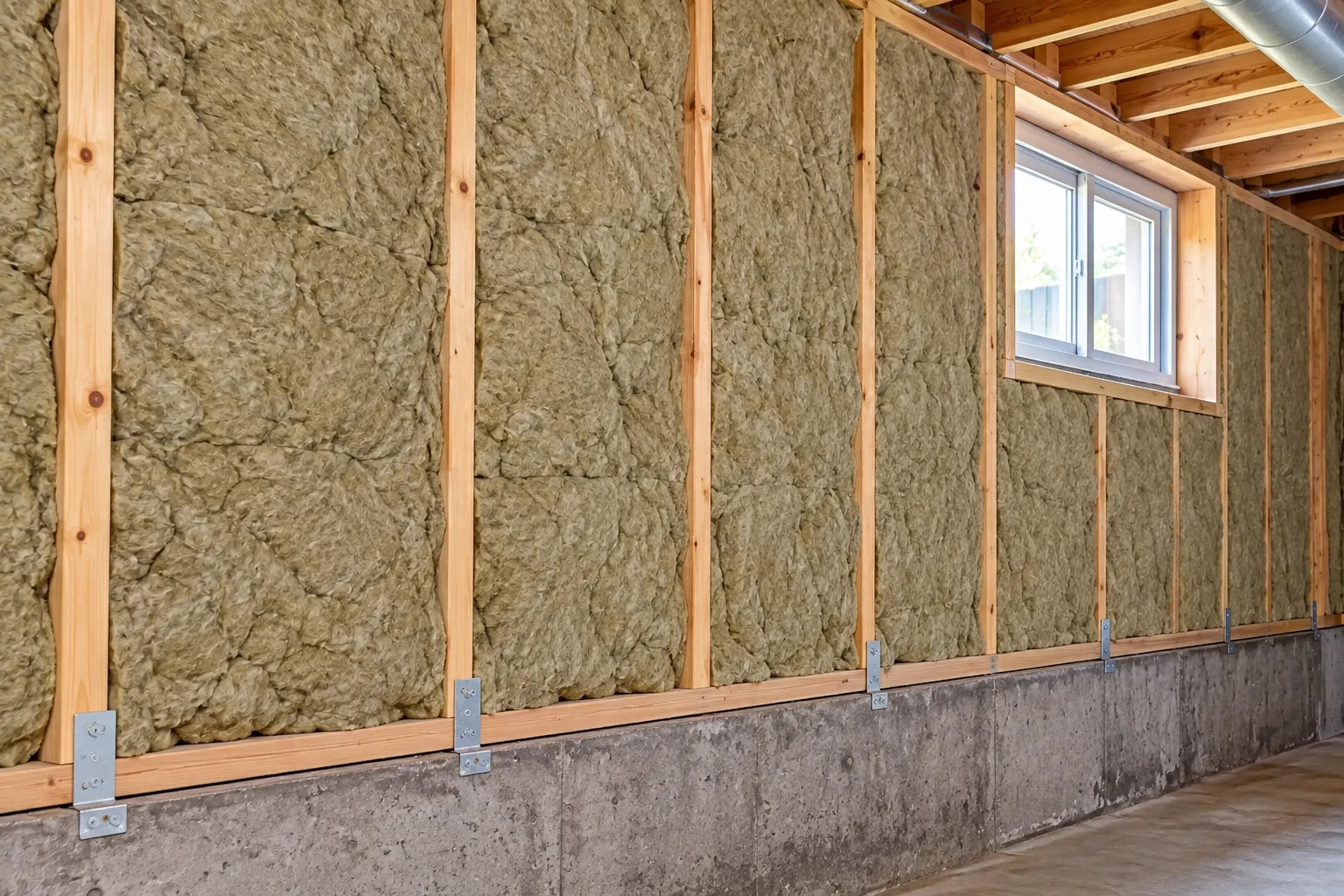
We keep batts off bare concrete. Research guidance, written mostly with colder places in mind, says fiberglass batts and cellulose shouldn't touch a foundation wall, so whoever you hire, ask what sits between the batts and the concrete. Against bare concrete I usually lean toward closed-cell foam, a dense foam that blocks moisture, and open-cell foam is the lighter, cheaper option we can talk through for the spots where it fits.
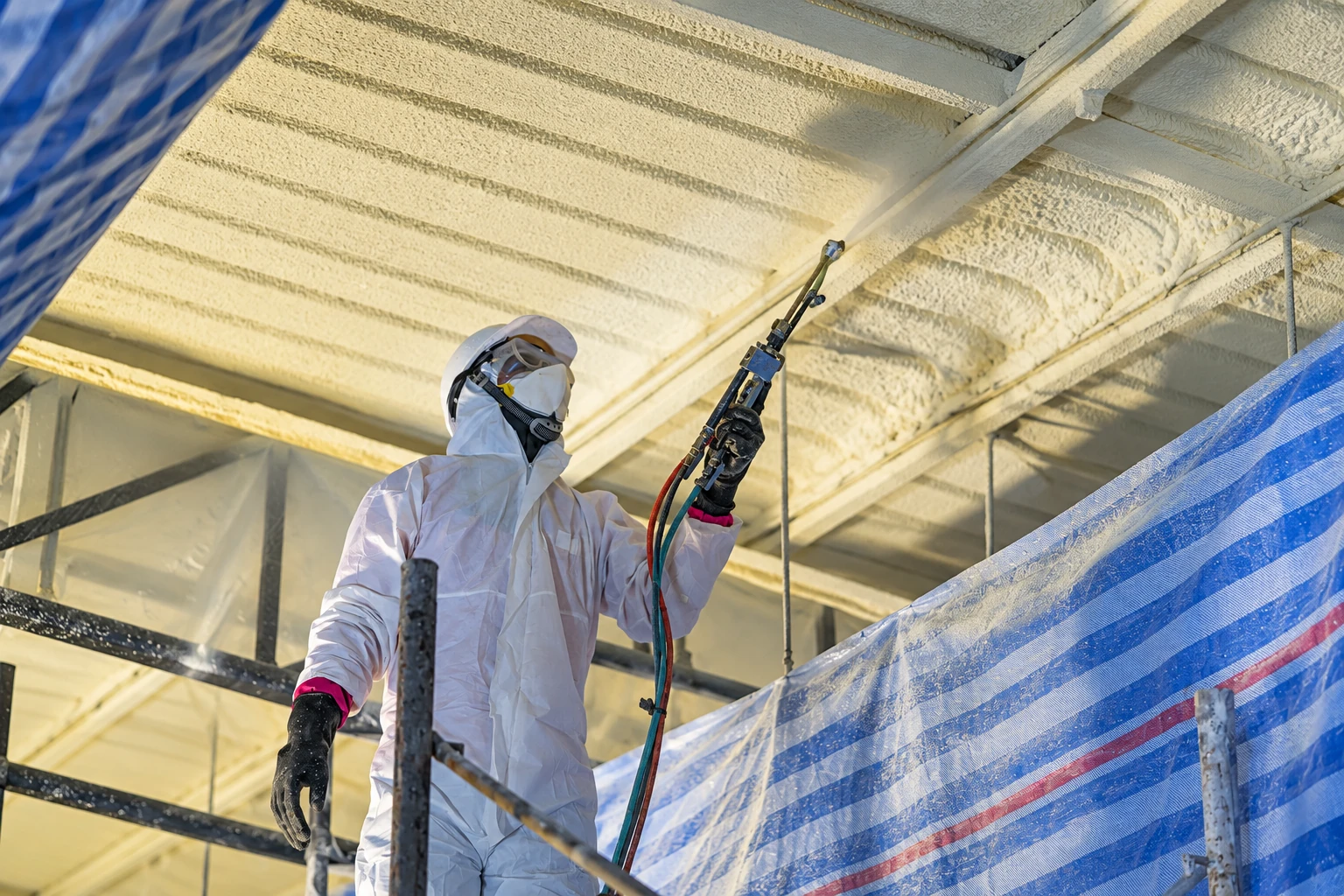
Exposed foam needs a cover. Spray foam or rigid foam that isn't fire-rated gets a code-approved ignition barrier, which is a fire-resistant coating or layer, or drywall over it, so if the room is staying unfinished I plan that covering into the estimate from the start. Foam costs more, but it insulates, seals the air and keeps a dry face on the concrete in one go, and on a basement wall that usually earns its price.
Foam goes straight onto the concrete and seals the gaps as it insulates. It costs more than the other routes, and a room left unfinished needs a fire-rated layer over it.
Foam boards fastened to the wall give you a flat, even layer you can frame over later. Panels that aren't fire-rated still get a covering, the same as sprayed foam.
A framed wall filled with batts or loose fill blown in through a hose, then finished with drywall, gives you a real room. The batts still stay off the concrete.
If one vents by draft alone, guidance calls for a combustion safety test afterward, checking that exhaust isn't flowing back into the room. Tell me about it up front.
Send the form or call and we'll get back to you within one business day to set a time. I come out, look at the basement and write a free estimate, with no pressure and no obligation.
A rough square footage for the basement helps when you call (209) 222-5441 or fill in the form, so we can talk sensibly about the job before I come out.
Let us know whether the walls are bare concrete or already drywalled, because that decides between foam, a framed wall or drilling into the walls you already have.
Tell us about a gas water heater or furnace in the basement, since it changes what we check before the work starts and what gets tested after the walls are tighter.
Examples of sprayed foam, rigid foam panels and framed walls with drywall, so you can point to the look and layout you want to talk over.
Straight answers on cost, finished walls, permits, licenses and moisture, the things people ask me most before insulating a basement.
Across the US, insulating a basement usually costs about $4.40 to $6.40 per square foot, and that's the going rate nationally, not our price. Foam versus a framed wall, bare versus finished walls and any repairs found first move your job within or past that. I'll give you your own figure in a free on-site estimate, and our work is satisfaction guaranteed.
Yes, a finished basement can usually keep its walls. Insulation gets blown into the framing through holes drilled in the drywall, so nothing comes down. The holes are filled and patched afterward, and you should plan on some paint touch-up once we're done.
The city's Building Safety Division issues them, once plans are approved and fees are paid. Permitted work gets inspected before it's covered or built over, and the state's Energy Code applies to changes to existing houses too. When a job needs a permit, we pull it with whichever office has your address, city or county, and book that inspection before the walls close.
Only on small jobs. California lets someone without a contractor's license do minor work capped at $1,000, and only when the job needs no permit and that person has no employees. Past that, check the license before anyone starts. We're licensed and insured.
Usually not on the room side. Plastic sheeting or foil-faced sheathing over fiberglass or other fibrous insulation can trap moisture inside a basement wall. On below-grade walls, kraft-faced fiberglass batts, the kind with a paper facing, or latex paint on the drywall do that job instead.
Modesto is home base, and we come out across Stanislaus County and into San Joaquin and Merced counties, so call and ask about yours.